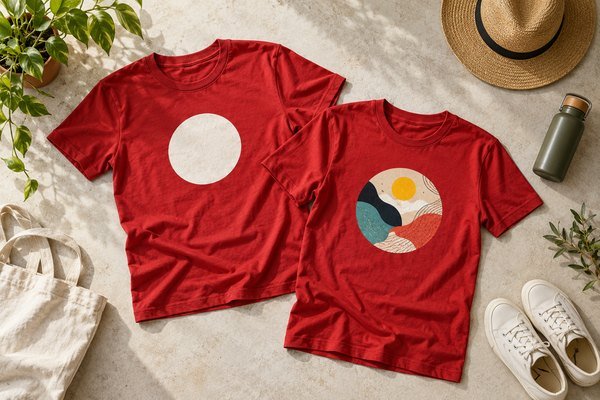
Screen printing vs heat transfer for bulk T-shirts is best evaluated with the artwork on the table. An agency may receive a simple one-color emblem for one order and a detailed illustration for the next. Quantity matters, but fabric, garment color, print area, finish expectations and later revisions also affect the production plan. A method that worked on a previous order still needs review for a different configuration.
Compare each method on the same garment, artwork and quantity. Ask for the proposed process, setup charges, sample result and care requirements. Do not assume that all screen prints or all transfers have the same performance.
Route A: a stable repeated design
A large order with identical artwork is a useful starting point for discussing screen printing. Ask the decorator how many print colors and locations are involved, whether an underbase is needed and which setup charges apply. A simple visual can still require additional steps on a dark shirt.
Review the artwork at its final dimensions. Small lines, fine gaps and large solid areas should be discussed before quotation. The supplier may propose adjustments for production consistency. Treat those adjustments as approval items so the design team and decorator share one target.
Route B: detailed or varied graphics
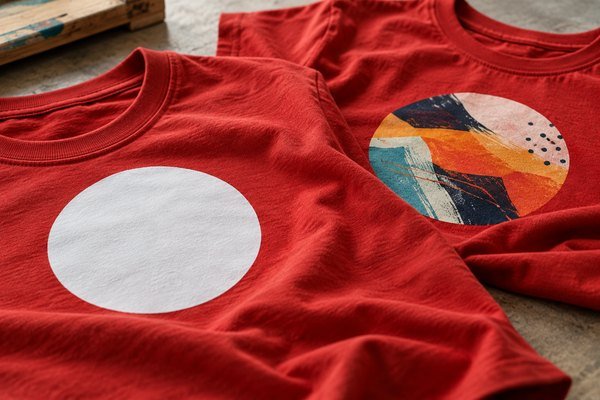
Heat transfer covers different materials and production approaches. Ask what specific system is proposed and how the artwork is produced and applied. Surface appearance and care requirements can differ between systems, so the category name is not a complete specification.
Identify every graphic version and its quantity. A process that handles detailed images can still require substantial sorting and placement work. Request a sample representing the most demanding design rather than approving only the easiest graphic in the collection.
Put fabric compatibility before promises
Send composition, garment color and fabric reference with the artwork. The decorator should assess the proposed process against that actual material. Polyester-containing fabrics deserve attention to heat and dye behavior. A sample on another blank may not represent the bulk product.
Avient’s polyester-printing guidance emphasizes pretesting garments and fabric dye lots. Apply that principle when asking the supplier to validate the combination. The buying requirement is appropriate compatibility review, not a universal temperature or ink recipe prescribed without knowing the system.
Compare physical finish
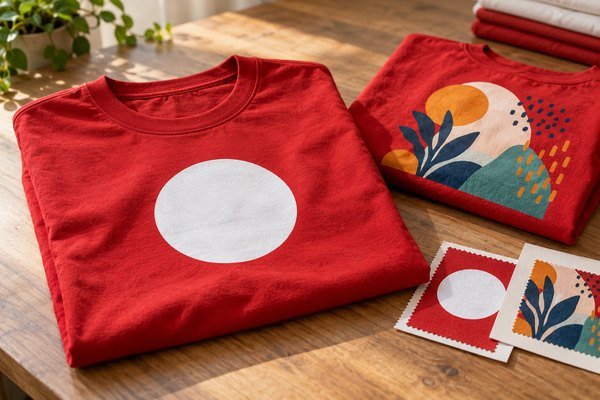
Handle decorated samples from both proposals. Review flexibility, edge quality, coverage and feel. Consider how the shirt will be folded, issued and washed. A large graphic acceptable for a short event may feel less suitable for a repeatedly worn staff uniform.
Use the same review conditions for both options. Record observations separately from final acceptance. If the client prefers one surface finish, describe it through the approved sample. A preference becomes commercially useful when the factory knows which result must be reproduced.
Review care behavior
Agree the finished garment’s care instructions and a suitable sample review. Observe appearance, adhesion, cracking or edge lifting where applicable. Keep an unwashed reference, photographs and the care procedure so the buyer and supplier can discuss the same evidence.
Do not turn a short informal review into a lifetime guarantee. If a formal durability statement is required, discuss suitable testing and evidence for the actual product. Clarify what has been assessed and which expectations remain unverified before making a public claim.
Build a fair cost comparison
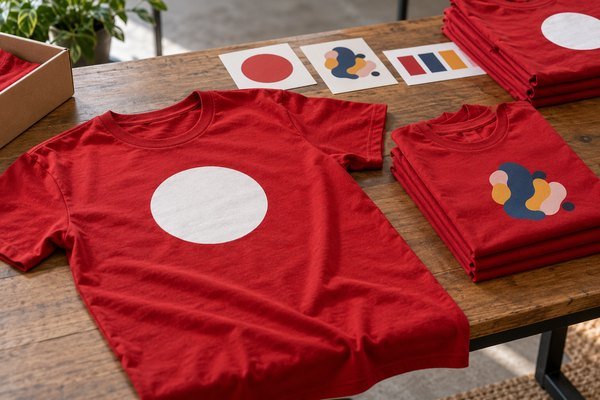
Separate blanks, artwork preparation, setup, decoration, extra locations, packing and sampling. Confirm whether each quotation assumes one design or multiple versions. Ask how changed quantities and artwork revisions affect the proposal.
Compare milestones as well as price. Screens, transfers, materials and approvals may follow different preparation paths. Neither method guarantees a shorter schedule without reviewing the current work and capacity. Ask for an order-specific plan that includes the buyer’s approval responsibilities.
Record the final process choice
Keep the chosen method, garment reference, artwork version, dimensions, placement, sample and care instruction together. Ask the supplier to acknowledge the final release. If the process changes, require a review of appearance, cost and timing.
The agency recommendation is to select a method for the actual brief and preserve that decision through production. Avoid treating one successful campaign as approval for every future fabric or graphic. A controlled decorated sample provides a useful reference for repeat orders.
Frequently asked questions
Is screen printing always cheaper at high quantities?
Not necessarily. Compare the actual colors, locations, setup requirements and garment.
Will heat transfer reproduce any artwork?
The particular system has limits. Ask the supplier to review fine details, colors and dimensions.
Can I approve a digital mockup only?
A mockup confirms design intent. A decorated sample helps assess the physical finish and garment compatibility.
Should I choose the cheapest process?
Choose among proposals that meet the product brief, then compare their complete costs and practical requirements.
Ask for a decoration comparison
Send Polltee your artwork, garment specification, quantities and intended use. Request an explained process proposal and identified samples before committing to bulk printing.
Further reading: Avient polyester-printing pretest guidance.
Related buying resources
Review customization options · Read the related purchasing guide · Discuss your B2B project with Polltee