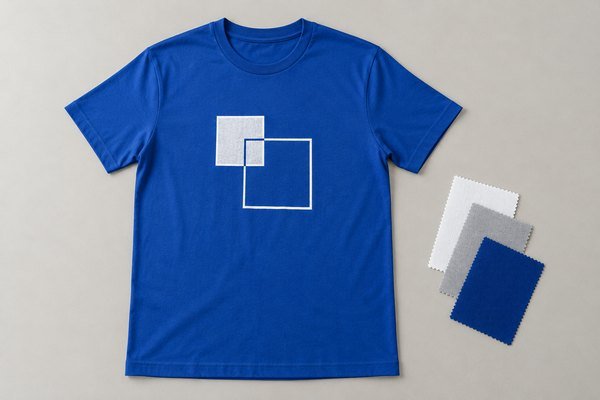
For quality and purchasing teams.
An attractive sample is a useful starting point, but it does not answer every production question. A buyer may approve the print while assuming that sizing, labels and packaging have also been confirmed. Later, the factory and buyer can hold different versions of what “approved” means. Campaign T-shirt sample approval works best when it creates a clear release record for the complete finished product.
Approve the sample against a written specification covering fit, fabric, color, printing, construction and packing. Record exceptions and open actions, identify the approved version, and make production release a separate documented decision.
Gate one: confirm what the sample represents
Ask whether the sample uses intended bulk fabric, production decoration and final labels. A development sample may use available materials to demonstrate shape; a preproduction sample should be identified according to the scope agreed with the supplier. Note any part that is provisional.
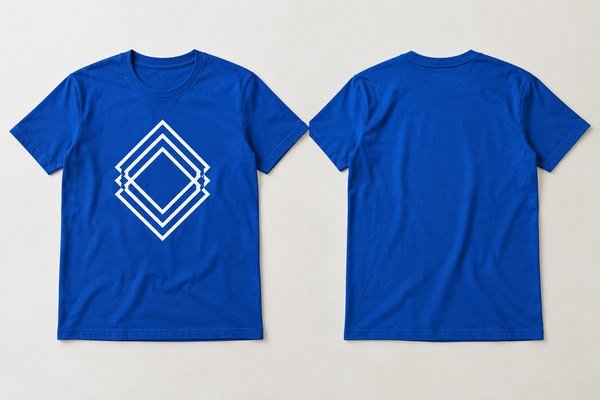
Photograph the sample front, back and relevant details with its reference number. Retain a physical reference where practical. A photograph can communicate position and appearance, but it cannot fully demonstrate fabric handle, fit or print texture. Avoid releasing bulk production solely because a digital mockup looks correct.
Gate two: review the garment before the graphic
Measure the agreed points and compare them with your specification and tolerances. Check neck opening, sleeve shape, body length, seam finish and overall balance. Assess the planned size range, including relevant extremes, rather than treating one sample size as proof of correct grading.
Review opacity, fabric feel and garment color under suitable lighting. Confirm fiber composition and GSM against the stated material specification. If the sample differs from the planned bulk material, decide what further approval is required. Do not let a good print distract from a garment that fits poorly.
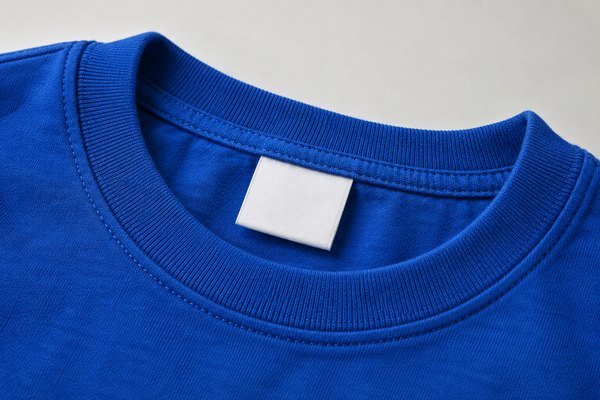
Gate three: inspect the finished decoration
Check spelling, artwork version, dimensions and placement against the approved drawing. Review the print on the actual garment color. Background shade, fabric texture and decoration process can change how the design appears compared with the screen image used during initial design discussions.
Ask for the relevant wash or durability evaluation agreed for the intended use. The ISO 6330 reference describes standardized domestic washing and drying procedures; a suitable test plan still needs defined conditions and acceptance criteria. Do not invent a pass claim without evidence for the finished configuration.
Gate four: review labels and packing
Confirm size identification, care information, branding and any buyer-specific label wording. Check label position and comfort. Market labeling requirements should be confirmed with the buyer’s responsible specialist; a generic label from an earlier order may not fit the new destination or material.
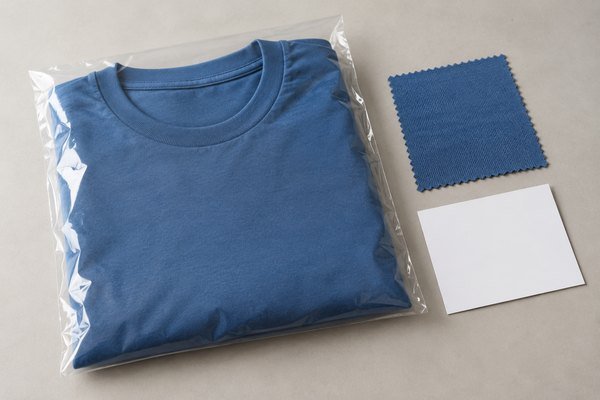
Inspect the shirt as it will be delivered: folding, bag, bundle and carton arrangement. Packaging is part of usability for agencies and field coordinators. Polltee’s private label and packing options should be included in the approval brief when they form part of the order.
Gate five: turn comments into a release record
Use a simple status for each item: accepted, accepted with a recorded exception, or revision required. Identify who can approve changes and which points need a replacement sample. A list of scattered messages is difficult to translate into reliable production instructions.
Write the approval date, sample ID and specification revision on the release record. State whether bulk production may begin and which outstanding actions block release. When a change is accepted without resampling, document the basis and affected checks rather than relying on an ambiguous “please fix this” comment.
After release: control changes
If the factory proposes a different fabric, ink, label or packing material, ask which approved requirements it affects. Decide whether supporting evidence, a new sample or a revised inspection plan is needed. Similar appearance does not automatically establish equivalent performance.
My view is that sample approval should remove uncertainty, not merely move the order forward. Keep the final reference accessible to purchasing, production and inspection teams. When everyone can identify the same standard, later quality discussions become much more specific and useful.
A concise approval record
Your release form should identify the order, sample reference, specification revision, reviewer, date and unresolved actions. Attach photographs for visual decisions and measurements for dimensional ones. If an exception has a limited scope, state that scope clearly. An approval for one color or print version should not be presented as approval for every variant in the order.
Frequently Asked Questions
Does approving a photo release production?
Only if the agreed process says so and the required checks are complete. Photographs leave some material and fit questions unanswered.
Should all revisions require a new sample?
Not necessarily. Assess the change, its effect and the evidence needed, then document the decision.
Related purchasing guides
Campaign T-Shirt Quality Inspection: A Buyer’s Pre-Shipment Guide · Campaign T-Shirt Artwork Handoff: From Design File to Print
Prepare your B2B order brief
Send your specification, artwork, proposed packaging and approval priorities. Discuss a sample approval plan with Polltee that gives the production and inspection teams a shared reference.