For procurement managers.
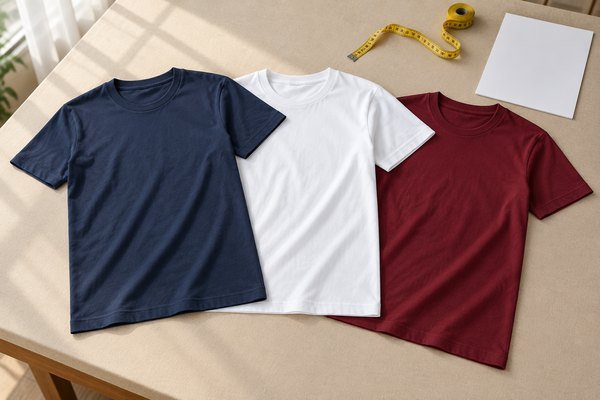
Campaign T-shirt quotes can look comparable while covering different products. One supplier may include a front print and carton packing; another may quote only the blank garment. For a procurement manager, the first task is to make every offer describe the same order. A lower headline price is useful only when the finished shirts meet the approved specification and reach the required destination.
Compare the garment, decoration, size mix, packaging and delivery scope separately. Ask each supplier to confirm exclusions, one-time charges and the version of the specification used. Build your comparison around the total order cost and a workable schedule.
1. Freeze the specification before comparing prices
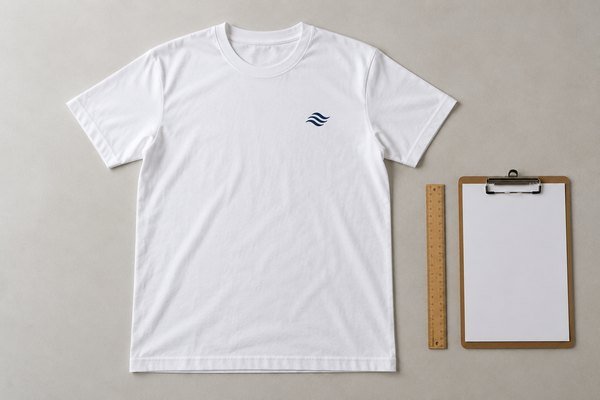
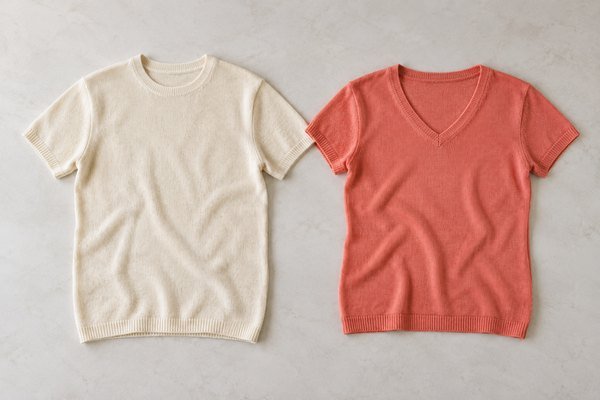
Start with fiber composition, fabric weight, garment color, construction and finished measurements. “Standard quality” is too vague: two shirts with the same nominal GSM can differ in opacity, handle and stitching. Attach a measurement table and reference images so quotations describe a defined product.
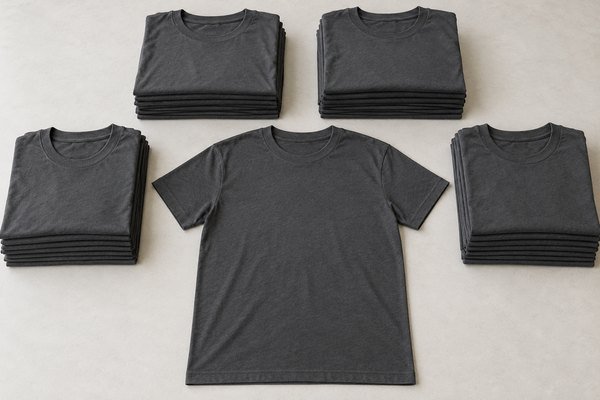
List quantities by size and color. Extended sizes, separate dye lots and several artwork versions can affect consumption and setup. Record whether substitutions are allowed. Ask suppliers to flag any exception in writing rather than quietly replacing the requested material with a cheaper alternative.
2. Separate product cost from setup cost
Request the blank garment price, print charge, label cost, packing charge and development charges as distinct lines. Screen preparation, artwork adjustment and samples may be charged once, while decoration and packing normally follow production quantity. Confirm which costs repeat on a reorder.
A useful comparison sheet includes the specification revision, unit quantity, recurring unit cost, setup cost, sample charge and excluded services. Divide setup charges by the actual order quantity when comparing totals. Do not assume a larger quotation scenario is a purchase commitment or a guaranteed future price.
3. Check what the print quotation includes
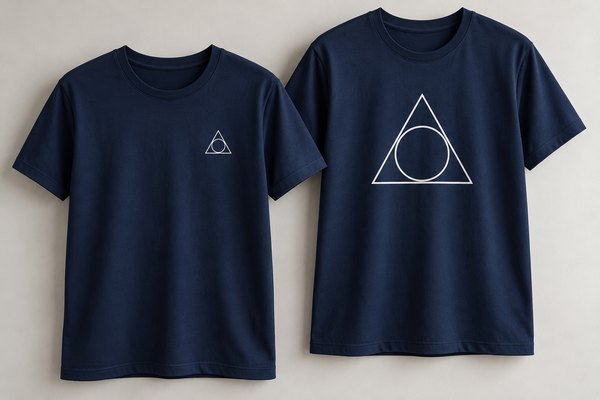
Print cost depends on the approved artwork, process, locations and dimensions. A small chest logo and a large front graphic are different jobs. Ask whether the quote covers the back and sleeves, any required underbase, and the finished appearance on your chosen shirt color.
Use Polltee’s customization options to define the decoration brief. Confirm the physical sample and artwork version before releasing production. A quotation based on a simplified draft should be updated if the final design adds colors or another print location.
| Cost line | Confirm before comparing |
|---|---|
| Garment | Matching material, measurements and color |
| Decoration | Same artwork size, locations and process |
| Packing | Same bundles, labels and carton scope |
| Delivery | Same destination and responsibilities |
4. Put packaging and delivery on the same basis
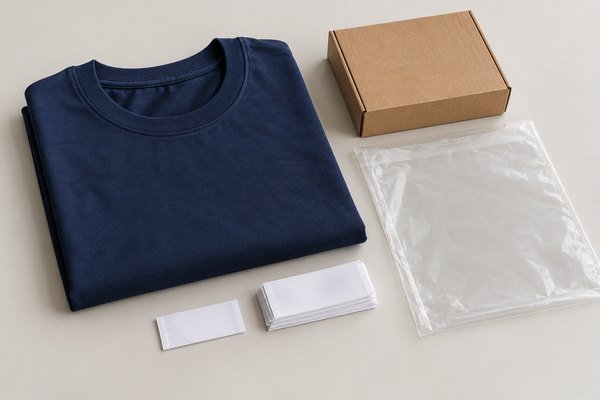
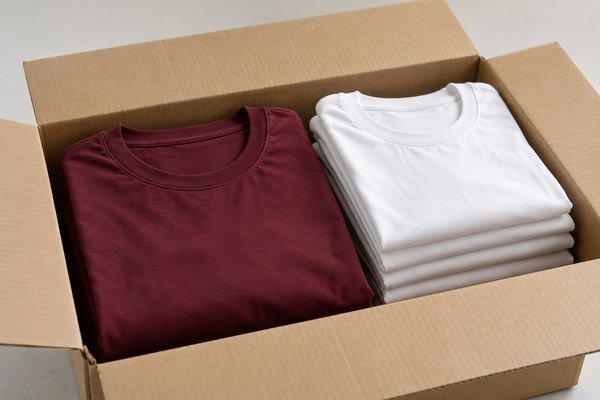
Specify individual bags, bundle quantities, size labels, carton marks and any regional sorting. Cheap packing can create expensive warehouse work if staff must reopen cartons and separate sizes. Request estimated carton count, dimensions and gross weight once the packing arrangement is clear.
Compare freight using the same destination and service assumptions. The ICC Incoterms guidance explains delivery terms; ask your forwarder to confirm the practical scope for the chosen route. List customs, duties, taxes, insurance and local delivery responsibilities explicitly instead of treating all freight offers as equivalent.
5. Evaluate the schedule alongside the price
Ask when the production clock starts and which approvals it depends on. Fabric purchasing, sampling, buyer comments, manufacturing, inspection and transport are separate steps. A factory completion date does not equal arrival at your warehouse, especially where shipment bookings or customs take additional time.
Keep a record of quote validity and the capacity assumptions behind it. If artwork is still changing, request a provisional price with clear conditions. The least expensive option may be unsuitable when its schedule leaves no room to correct an inspection issue before the event.
6. Make the award decision reviewable
Summarize the chosen offer in a short purchasing note: product standard, total cost, delivery scope, milestones and unresolved items. Store the supplier’s confirmed quote with the approved sample reference and purchase specification. This gives finance and operations the same basis for their decisions.
My purchasing view is that a useful quotation reveals its assumptions. Missing details are questions to resolve before ordering, not savings to celebrate. Once the scope is aligned, you can negotiate quantity, print simplification or packaging choices without accidentally changing the product you intend to buy.
Frequently Asked Questions
Should I always choose the lowest unit price?
No. Compare the full scope, approved quality and feasible arrival plan. A lower garment price may exclude work included elsewhere.
Can I request several quantity scenarios?
Yes. Identify them as quotation scenarios and ask how setup, unit prices and packing change at each volume.
Related purchasing guides
Campaign T-Shirt Sample Approval: What to Sign Off Before Bulk · Campaign T-Shirt Artwork Handoff: From Design File to Print
Prepare your B2B order brief
Send Polltee your quantity breakdown, artwork, garment specification, packing requirements and required arrival date. Request a comparable B2B quotation with product, development and delivery costs clearly separated.