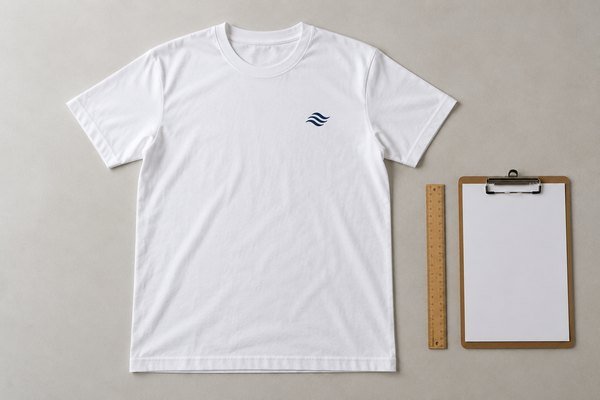
For quality managers and inspectors.
Campaign T-shirt quality inspection is most useful when the inspector knows exactly what the buyer approved. A general instruction to “check quality” leaves uncertainty about measurements, printing, carton contents and defect decisions. Pre-shipment inspection should turn the purchasing specification into observable checks, while allowing time to resolve findings before goods are dispatched.
Provide the approved sample, specification, order matrix and packing requirements. Agree the inspection scope, sampling approach and acceptance criteria before the visit. Record findings by lot and requirement, then make a documented release, correction or hold decision.
Prepare the inspection reference package
Include garment dimensions and tolerances, composition, fabric weight, colors, artwork version and print placement. Add labels, bagging, bundle quantities and carton instructions. Identify the accepted sample so the inspector does not compare production with an obsolete development version.
State any approved exceptions explicitly. If the buyer accepted a revised neckline or packaging material, attach that decision. Inspection should assess the current agreed product, not recreate an earlier design discussion. Keep commercial quantity changes separate from technical changes so both remain understandable.
Agree the scope and sampling method
Discuss how cartons and garments will be selected, which sizes and versions are covered, and which checks require measurement or testing. When statistical sampling is used, agree the applicable plan and its limits with the inspection provider. Do not label a quick visual visit as a complete assessment of every unit.
If statistical acceptance sampling is selected, ask the inspection provider to identify the applicable standard, edition and plan. It does not choose your defect definitions or guarantee a defect-free shipment. Document the agreed critical, major and minor criteria where relevant, rather than copying an unexplained AQL number.
Check the garment and decoration separately
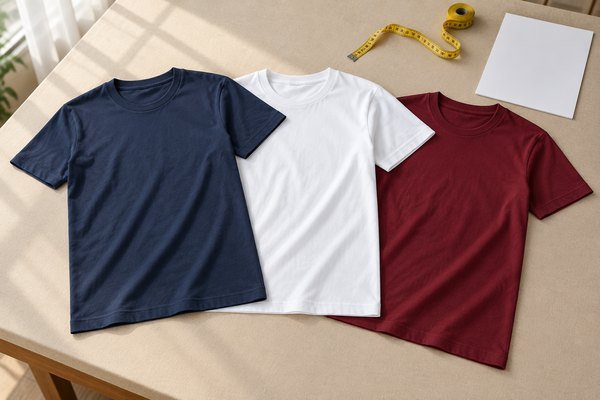
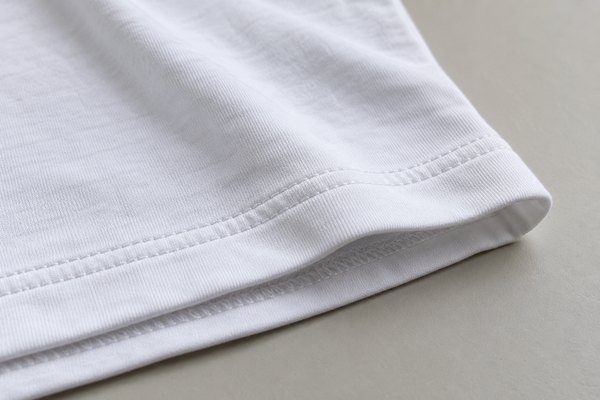
Inspect construction, seams, neck shape, fabric appearance and finished measurements at the agreed points. Compare sizes against the approved table. Review holes, stains, loose threads and other defined workmanship issues without replacing measurable criteria with subjective descriptions alone.
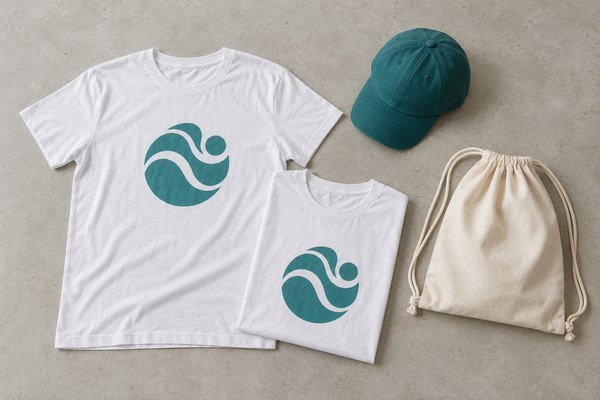
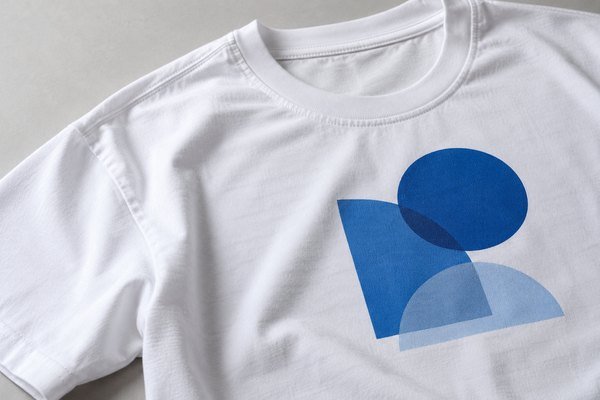
For the graphic, check wording, design version, dimensions, placement, color and visible print defects. Evaluate relevant durability evidence separately where required. A print may look correct during inspection while still needing a care-related test agreed earlier in the procurement process.
Verify packing and quantity information
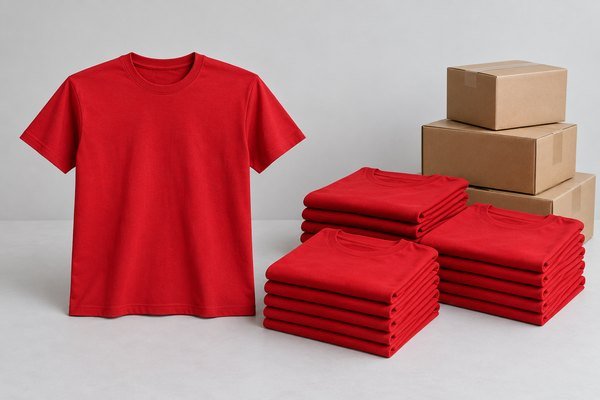
Compare the packing list with the observed carton marks and sampled contents. Check size mixes, garment versions, bundle counts and any destination-specific sorting. Make partial cartons and substitutions visible in the report. Incorrect assortment can disrupt distribution even when each shirt is individually acceptable.
Review agreed carton protection, dimensions and gross weight where included in scope. Use the approved packing and labeling brief as the reference. A photograph of one tidy carton should not stand in for checks across the actual shipment.
Turn findings into specific decisions
Ask the inspector to describe the requirement, observation, affected lot and supporting evidence. Separate isolated findings from systematic issues, while staying within the sampling method’s limits. Request clear photographs and measured results where those make the concern reproducible.
Decide who can release, hold or authorize correction. If rework is required, specify the action and how it will be verified. Do not assume that the factory’s promise to fix an issue closes the inspection. Confirm the corrected condition before the relevant goods are released.
Leave time for investigation and correction
Arrange the inspection milestone within a realistic production and shipment plan. A visit just before the final loading deadline leaves little room for replacement, rework or another check. Discuss readiness with the supplier so the intended quantity is available and accessible.
My quality view is that inspection should be a decision tool, not a ceremonial photograph. Keep the report linked to the purchase order and actual shipment. Feedback from receiving and wear can then refine future specifications and inspection priorities.
The release record
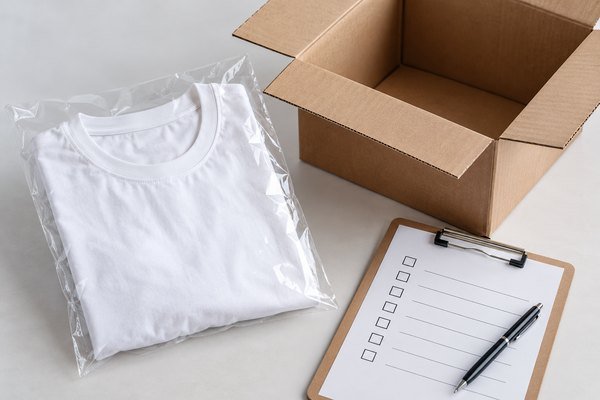
Summarize inspection date, inspected scope, report reference, open findings, correction evidence and the person authorizing dispatch. Keep a hold decision visible until it is formally closed. If only part of the order is released, identify that quantity and its cartons. This prevents a satisfactory result for one batch from being applied to another batch that was not covered.
Frequently Asked Questions
Does passing inspection guarantee every shirt is perfect?
No. Inspection has a defined scope and sampling limits. Understand those limits and retain traceable records.
Should the buyer inspect only the print?
No. Garment construction, fit, labels, packing and quantity requirements also affect whether the order is usable.
Related purchasing guides
Campaign T-Shirt Sample Approval: What to Sign Off Before Bulk · Campaign T-Shirt Carton Packing: Make Distribution Easier
Prepare your B2B order brief
Send your approval package and inspection priorities. Discuss pre-shipment readiness with Polltee so inspection and any necessary corrections fit the delivery plan.