For regional operations managers.
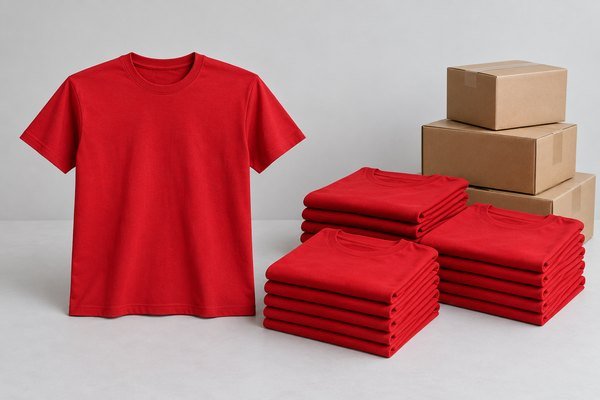
A national program does not always need every shirt on the same day. Regional launches, volunteer training and the main rally can create several delivery windows. Phased campaign T-shirt delivery can help align stock with those events, but only when the order is managed as a coordinated program. Several loosely connected purchase orders can instead create inconsistent goods and missing quantities.
Build one master specification and a release schedule by destination. Confirm the approval, manufacturing, inspection and transport milestones for each batch. Reserve materials or capacity only through explicit supplier agreement, and track cumulative quantities throughout the program.
Start with the regional need-by dates
Work backward from when each distribution team needs usable stock. Include receiving, counting, regional transport and handout preparation. The event date alone may be too late as a warehouse arrival target. Ask local coordinators which milestones are fixed and which quantities remain estimates.
For an illustrative three-region program, one batch might serve training, a second regional launch and a third the main event. This example describes order structure, not guaranteed production timing. Give each batch its own destination, required quantity and delivery acceptance window.
Create a master order with controlled releases
Keep garment construction, measurement table, print reference, labels and packing rules in one master specification. Then issue a release matrix stating batch ID, design version, sizes, quantities and delivery location. Any legitimate regional difference should be visible in that matrix.
Check that release totals add up to the overall commitment. Track planned, produced, inspected, dispatched and received quantities separately. A dispatched carton is not yet received stock. One central owner should reconcile changes so a regional request does not accidentally increase or reduce the program total.

Agree what can be reserved
Ask whether the factory can hold fabric, trims or production capacity for later batches, and on what conditions. Reservation may require a confirmed order, payment arrangement or deadline for release. Do not treat a quotation as an automatic promise that identical materials will remain available.
Discuss storage, ownership and unused materials if the campaign changes. Separate these commercial decisions from ordinary production instructions. Polltee’s program approach emphasizes coordinated planning; the actual reservation and schedule should still be confirmed for your specific project.
| Release field | Required decision |
|---|---|
| Destination | Receiving location and regional coordinator |
| Quantity | Size and artwork allocation |
| Approval | Sample and specification reference |
| Milestones | Inspection, dispatch and required receipt |
Keep later batches consistent
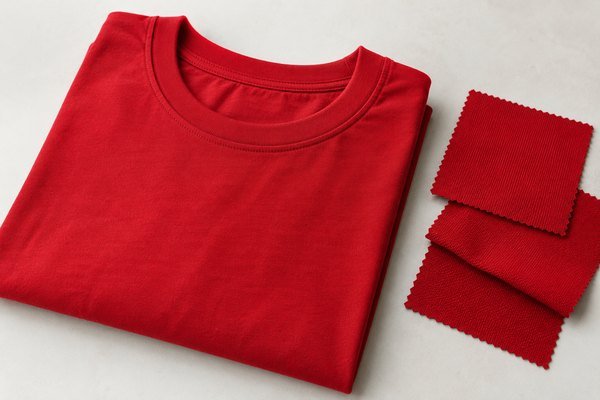
Use the same approved sample reference and specification revision unless a change is authorized. Compare shade, measurements and print appearance when a later lot enters production. New material lots can require review even if the supplier and stated composition stay the same.
If artwork changes between releases, identify which batches receive the new design and how remaining stock is handled. Avoid mixing old and new versions in a carton without permission. Photographs and lot references help distribution teams understand what they are receiving.
Plan transport batch by batch
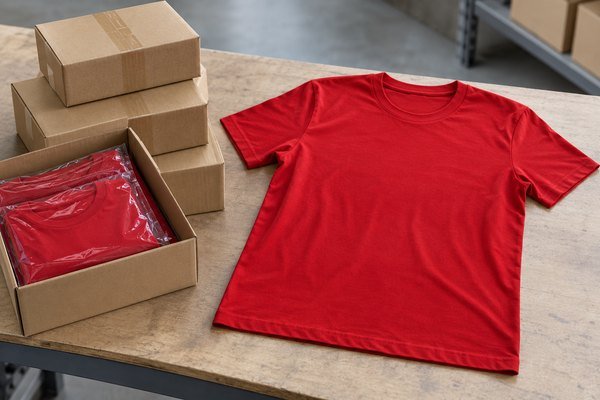
Choose shipping services using the actual route, volume and required arrival window. An early urgent release and a later larger release may justify different methods, but compare total freight and handling implications. Confirm booking availability and customs preparation with the responsible logistics provider.
Use ICC Incoterms guidance when defining delivery responsibilities. State the named place and document practical tasks separately. A term alone does not describe the complete receiving, inspection or regional distribution process.
Set a response rule for delays and changes
For every milestone, name who reports progress and when an unresolved issue must be escalated. If a region moves its event earlier, ask which options are still feasible before promising a new delivery. Releasing a smaller confirmed quantity may be more workable than changing an entire program.
My operations recommendation is to keep one live matrix shared with production and distribution. Review the next release before the current one leaves. That habit reveals missing approvals and quantity conflicts while there is still time to resolve them.
A weekly release review
At each review, reconcile quantities by region, current approval status, material readiness and the next dispatch milestone. Record the decisions made and the person responsible for each open task. Include the distribution team when their event plan changes. The review should expose gaps early, rather than turn into a general discussion of whether production seems to be progressing.
Frequently Asked Questions
Does phased delivery always save money?
No. Smaller shipments can add freight and handling charges. Compare those costs with storage, cash-flow and distribution benefits.
Can later batches use the first sample?
They can use its reference, but check whether materials, artwork and construction still match the approval.
Related purchasing guides
Campaign T-Shirt Carton Packing: Make Distribution Easier · Urgent Campaign T-Shirt Orders: Decide What Can Still Change
Prepare your B2B order brief
Send your regional dates, destination quantities and proposed release structure. Discuss a phased delivery program with Polltee before making arrival commitments to local teams.