
For agencies and private label buyers.
An agency can supply shirts that carry more than the campaign graphic. A consistent neck label, clear size identification and an approved packing presentation can make the product feel organized from the first handout. Private label promotional T-shirts also create additional decisions: artwork permissions, label wording, material changes and repeat-order controls must be resolved before a supplier can quote the complete program.
Define the agency’s branding package separately from the garment and event artwork. Approve labels on the finished shirt, confirm destination requirements with the responsible buyer, and identify which components will be repeated across future programs.
Build the branding brief around the buyer
Start by deciding whose identity belongs on the garment. The agency, its client and the event organizer may have different expectations. A shirt made for a one-time campaign is not automatically suitable for an agency’s continuing private label range.
List every branding location: inside neck, sleeve, hangtag, bag, card and carton. For each, specify the approved artwork owner and reviewer. Keep the scope proportionate to the project. A simple printed neck mark may be useful; an elaborate retail box may add cost without helping a bulk handout.
Select labels for the garment and use
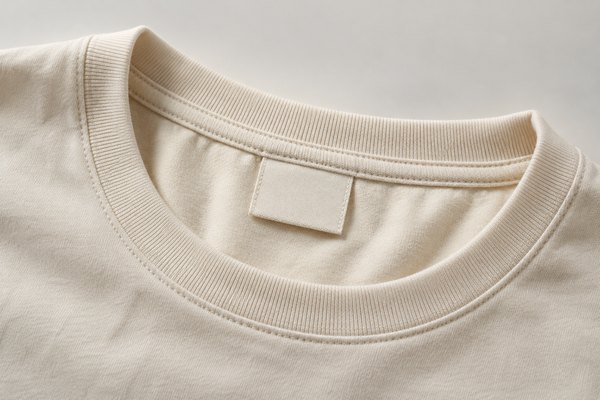
Compare printed neck labels, woven labels and other supported options according to appearance, comfort and production method. Ask how each option behaves on the proposed fabric and whether any additional sewing or preparation is required. Review the shirt from inside as well as outside.
Do not use private branding to replace necessary information without checking the intended market. Fiber composition, care, origin and responsible-party information may need separate consideration. The buyer should confirm applicable wording through its compliance process. A label approved for a previous destination may not suit the next order.
Separate common branding from project artwork
Keep reusable agency assets in one controlled package and event-specific graphics in another. This makes it easier to quote the recurring work and identify what changes for each client. Assign a version number to the master label instead of sending another untracked copy by message.
Document authorization for supplied logos and third-party graphics. WIPO licensing guidance provides useful background. The production team needs approved assets and instructions; it should not have to decide which client owns a mark or whether another campaign may reuse it.
Approve the complete presentation
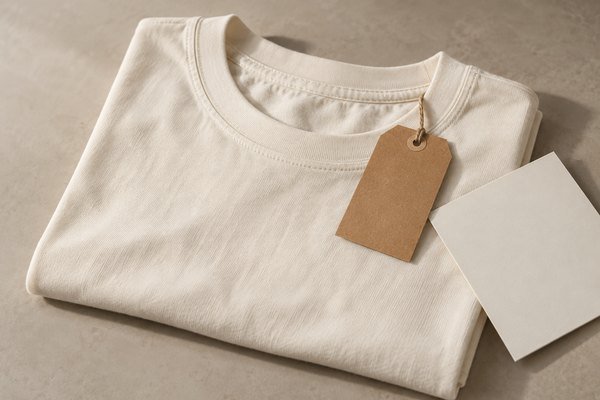
Review the label, hangtag, folding and packaging together. Check that size identification remains easy to find and that branding does not interfere with the intended print. Evaluate the product as the client will receive it, including any bag or card included in the quotation.
Use Polltee’s private label options to define the feasible package. Record material, dimensions, color, placement and attachment method for each component. A digital packaging design should be followed by the appropriate physical approval before large quantities are purchased.
Quote development and recurring work separately
Ask for label development, artwork preparation and sample charges apart from recurring garment and packing costs. Confirm minimum quantities for custom trims, whether unused labels can be held and who owns them. Those questions become important when the first garment order is smaller than a trim supplier’s production run.
Compare several quantity scenarios without treating them as commitments. Include the number of client designs and color variants in the brief. A private label package shared across several projects can simplify work, but only if the components actually meet each project’s requirements.
Create a handover file for future programs
Keep the approved garment standard, label artwork, sample reference, packing instructions and order records together. When a new client project arrives, identify which elements are unchanged and which need another approval. Ask the supplier to disclose proposed trim or fabric substitutions.
My agency recommendation is to keep repeatable branding simple and controlled. Reliable identification and a clean finished presentation often matter more than adding several decorative components. Make the package easy for the factory to reproduce and easy for your client to receive.

An agency handover checklist
Confirm that the client can identify each garment version, find the size and care information, and recognize the approved branding. Ask whether the packing presentation meets the intended handout or resale workflow. Record these practical checks with the visual approval. A polished design package is easier to repeat when it includes the operational details behind the presentation.
Frequently Asked Questions
Can I use my own brand inside the neck?
Yes, subject to feasible production and approved artwork. Confirm required product information separately for the destination.
Should unused custom labels be stored?
Only through an explicit agreement covering quantities, ownership, storage and later use.
Related purchasing guides
Campaign T-Shirt Artwork Handoff: From Design File to Print · Bulk T-Shirt Reorders: Keep Color, Fit and Print Consistent
Prepare your B2B order brief
Share your agency artwork, client approval process, garment quantities and labeling needs. Discuss a private label package with Polltee that supports both the first order and planned repeat programs.