
For repeat-order purchasing teams.
The reorder has the same product name and the same nominal fabric weight, yet the new shirts look slightly different beside the earlier batch. Bulk T-shirt reorders need more than a previous invoice. Color, fit and print consistency depend on whether the supplier can identify the actual approved construction, materials and decoration standard used for the first order.
Keep a master specification, an identified reference sample and lot records. Before each reorder, confirm which inputs remain the same and which have changed. Review the new batch against defined requirements instead of assuming the old approval covers every new material lot.
Problem: the color looks different
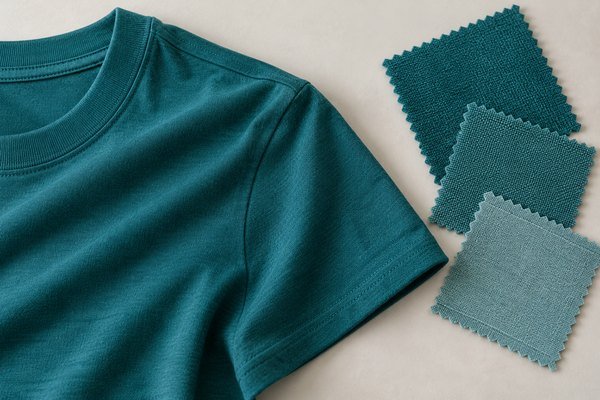
Ask whether the new fabric comes from the same lot or a new dye run. A shared color name does not define an exact shade. Identify the physical reference and agreed review conditions, and compare the proposed material before the finished garments are already packed.
Garment appearance can change with fabric texture, lighting and finishing. Do not rely only on phone photographs. If shade consistency is important across an event, discuss material planning before the first order. Confirm any reservation arrangement in writing, including the treatment of unused material.
Problem: the fit has drifted
Retrieve the finished measurement table and method from the approved order. Check relevant points and sizes against that table. A pattern can be described as “the same” while cutting, sewing or grading changes produce a different finished measurement.
Review the intended care-related dimensional behavior where it matters to the program. Keep the agreed test conditions and acceptance criteria with the specification. The ISO 6330 reference supports washing and drying method discussions, but does not independently define the acceptable shrinkage for your product.
Problem: the print feels or looks different
Confirm the exact artwork version, decoration process, dimensions and placement. Ask whether ink, transfer material or production settings changed. Compare the finished print on the actual garment background; a new shade of fabric can alter the apparent contrast even when artwork is unchanged.
Use the approved decorated sample as a reference and specify which attributes matter: edge clarity, coverage, color, hand feel or durability under agreed conditions. Polltee’s decoration brief should carry those requirements into the reorder rather than relying on a file name alone.
Problem: a substitute material was introduced
Require proposed substitutions to be disclosed before production. Ask what changed, why it changed and which performance or presentation requirements it could affect. Decide whether a new swatch, finished sample or supporting evaluation is necessary.
Keep an approval record for the decision. The ISO 10007 configuration-management reference offers useful principles for managing versions. A change that is acceptable for one order should not silently become the master standard for all later projects.
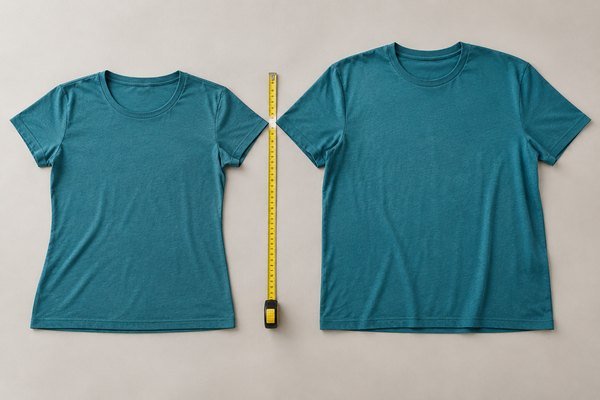
Problem: the warehouse cannot distinguish lots
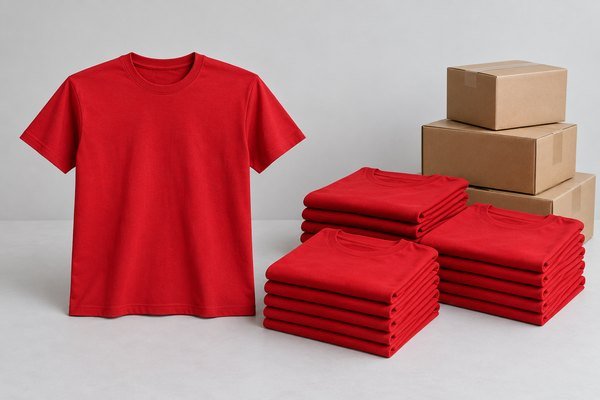
Give each reorder and relevant production lot a traceable reference. Carry it through packing lists and agreed carton marks. If old and new stock will be issued together, receiving staff need enough information to detect a mismatch and locate the affected quantity.
A barcode system may help where the buyer’s warehouse supports it, but the identification plan should match that system. Retain received samples or reliable records from each order where practical. Investigation becomes easier when a reported issue can be tied to a particular shipment instead of an entire product family.
Prevention: review the reorder before release
Send the prior order reference, current quantities, destination, required date and requested changes. Ask the supplier to confirm the master specification revision and any changed inputs. Obtain approval on the relevant new material or sample before manufacturing the full quantity.
My reorder view is that consistency is an active check. The second purchase is often easier commercially, but that familiarity should not erase technical review. Record what remained constant and what was reconsidered so the third order starts from a reliable standard.
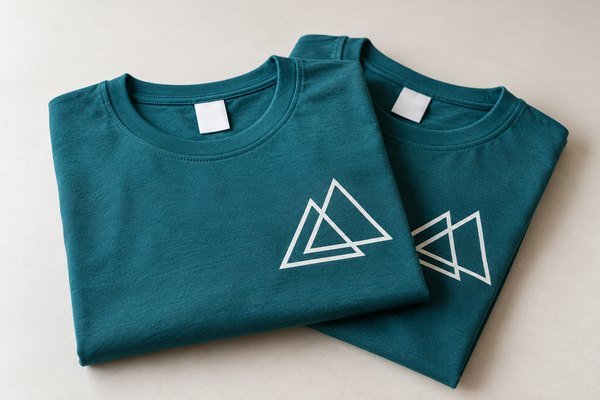
A reference sample habit
When the new shipment arrives, compare a retained original reference with a clearly identified received sample under the same conditions. Document relevant differences and report them promptly with the order and lot references. Keep acceptance decisions specific to the observed issue. An undocumented concession today can become a confusing new standard during the next reorder.
Frequently Asked Questions
Does the same GSM guarantee the same shirt?
No. Composition, knit construction, finishing, pattern and sewing can also affect the finished garment.
Must every reorder repeat all development?
No. Review changed inputs and relevant risks, then choose the evidence needed for those changes.
Related purchasing guides
Campaign T-Shirt Sample Approval: What to Sign Off Before Bulk · Campaign T-Shirt Quality Inspection: A Buyer’s Pre-Shipment Guide
Prepare your B2B order brief
Send the original order number, approved reference details and your new quantity matrix. Ask Polltee to review reorder consistency before confirming the next production release.