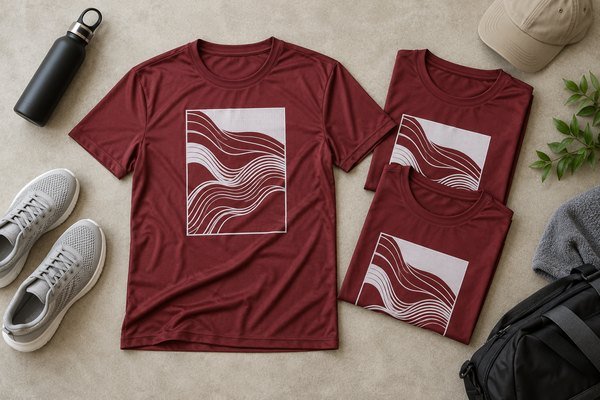
Dye migration on campaign T-shirts can turn a clean light-colored print into an unexpected tinted area. The problem is particularly relevant when polyester-containing garments meet a heat-involving decoration process. Buyers do not need to prescribe the chemistry themselves, but they do need to ask how the actual fabric and print combination will be checked. An attractive first sample is only the beginning of that conversation.
Have the decorator pretest the actual garment color and fabric lot with the proposed print system. Identify the sample, review it after the agreed observation period and care process, and record the production conditions. Do not apply approval from a different blank without checking comparability.
The buyer asks: why did a white mark change?
First separate migration from other possible print or handling problems. Preserve the shirt and share clear images with the decorator. Describe when the change appeared and how the garment was processed, packed, stored or washed. Avoid diagnosing the cause from a photograph alone.
Avient’s polyester-printing guidance recommends pretesting new garments and fabric dye lots. This supports an important buying principle: material identity matters. Ask the supplier to investigate the actual substrate and decoration system rather than offering a general assurance about polyester printing.
The decorator asks: which fabric was approved?
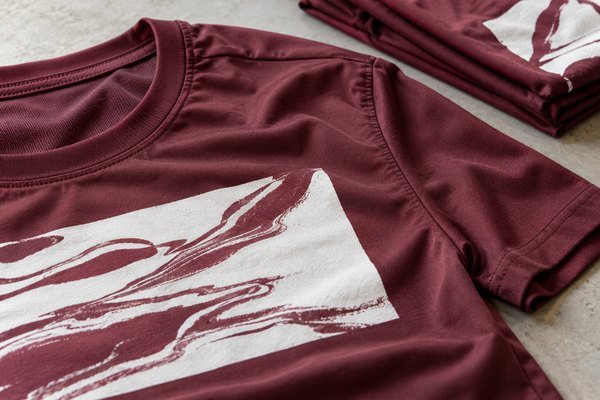
Provide composition, color, supplier reference and lot information where available. Identify whether the sample and bulk garments use the same material. If stock blanks were used for development but a different fabric will be used in production, make that difference visible.
A useful sample record connects the shirt to the artwork and print process. The decorator should know the intended dimensions, color and placement. The buyer should know which physical sample represents the final combination, rather than relying on a design file alone.
The production team asks: what process is required?
Ask the decorator to explain the proposed ink or transfer system and relevant process controls. Product-specific technical instructions should come from the system supplier and qualified operator. A universal temperature copied from another order is not a responsible purchasing specification.
Discuss whether a barrier, different system or other process adjustment is needed. Each proposed change may affect feel, appearance, cost or handling. Request a sample of the complete solution. Do not approve a blocker layer in theory while expecting the finish of an earlier unprotected print.
The agency asks: how soon can we approve?
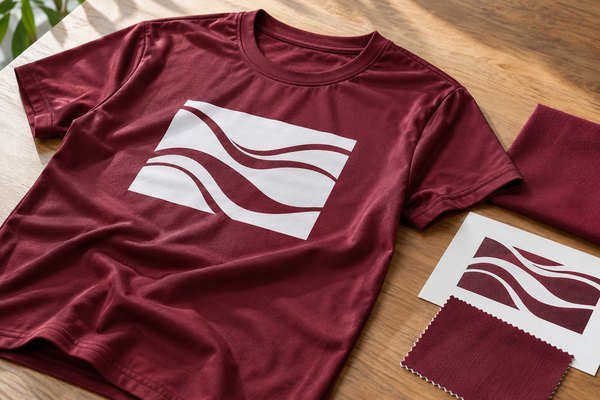
Agree when the sample will be inspected and whether further observation is necessary. Some changes may not be obvious immediately after decoration. The supplier should propose a review appropriate to the actual system and fabric rather than treating instant appearance as the only evidence.
Keep approval milestones separate from artwork approval. The client can confirm spelling and layout before the physical process review is complete. This avoids pushing the factory into bulk printing because a design email was interpreted as full product authorization.
The quality team asks: what needs to be recorded?
Record sample identity, fabric color and lot, artwork version, decoration system and the review conditions. Add the initial and later observations. Where washing is part of the review, document the care procedure and compare the same areas.
Use factual descriptions such as visible tint change or no change observed under the stated review. Avoid claiming permanent resistance from a short observation. If a formal performance requirement exists, discuss a suitable test plan and acceptance criteria before ordering.
The buyer asks: does a new lot need review?
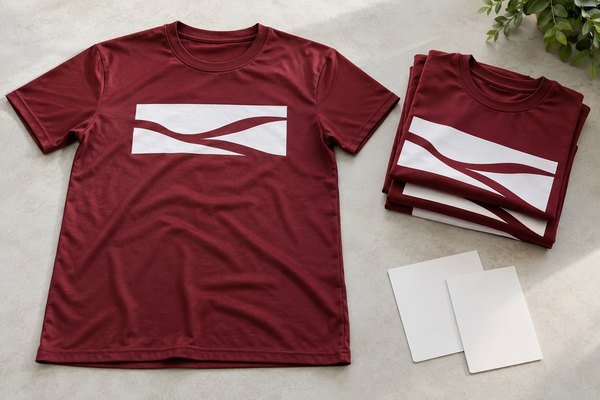
A change of fabric dye lot can be relevant even when the garment color name is unchanged. Ask how the supplier identifies new material and decides whether another pretest is needed. Keep this checkpoint visible in the production plan.
The practical recommendation is to make compatibility review part of the order, not an emergency response. This creates an opportunity to adjust the system before printing a large quantity. It also prevents material substitutions from bypassing the sample evidence the buyer relied on.
A prevention checklist for the brief
- Identify the actual fabric, color and lot used for the decorated sample.
- Record the proposed print system and qualified operator’s process requirements.
- Agree inspection timing and any care review before production release.
- Review material substitutions and new lots through the same control process.
- Keep the accepted sample and observations with the order record.
Frequently asked questions
Does every polyester shirt have the same migration risk?
No. Assess the actual dyed fabric and proposed decoration combination.
Can a thicker print always solve the problem?
Do not assume so. The decorator should select and validate a suitable system, including its effect on the finished feel.
Is artwork approval enough?
No. Artwork approval establishes design intent; process compatibility needs its own review.
Discuss the actual print combination
Send Polltee the fabric requirements, garment colors and light-colored artwork. Ask for a decorated-sample plan that addresses compatibility before the bulk order is released.
Further reading: Avient polyester-printing pretest guidance.
Related buying resources
Review customization options · Read the related purchasing guide · Discuss your B2B project with Polltee