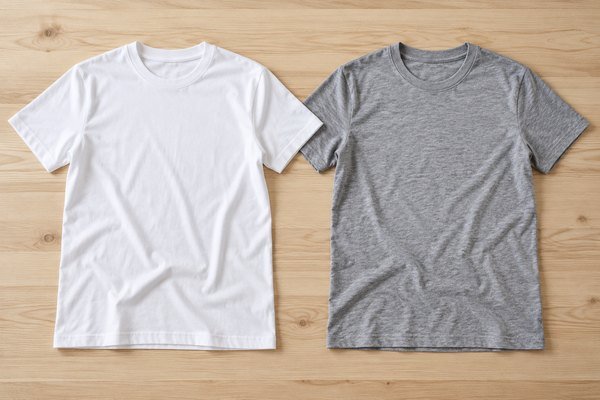
Cotton vs polyester campaign T-shirts is a practical purchasing decision, not a contest with one permanent winner. A shirt handed out for a short rally has different demands from a volunteer uniform worn repeatedly in warm conditions. Buyers also need to consider the print, the expected washing routine and what recipients will actually choose to wear. Start with those circumstances before comparing sample prices.
Choose the complete fabric and garment specification against the intended use. Fiber composition matters, but knit structure, weight, finish, fit and decoration also affect the result. Approve the actual combination rather than relying on a material name.
Start with the wearer’s day
Write down how long the shirt will be worn, the expected activity and whether changing clothes is convenient. Ask if people will mainly stand, walk or work indoors. A regional team can provide more useful information about these conditions than a generic description such as “summer fabric.”
For example, an illustrative procurement brief might distinguish a public giveaway from an all-day field uniform. The first may prioritize recognizable branding and a controlled budget; the second may place more emphasis on comfort during repeated use. This is a planning example, not a claim that every campaign needs two fabrics.
Compare cotton as a finished garment
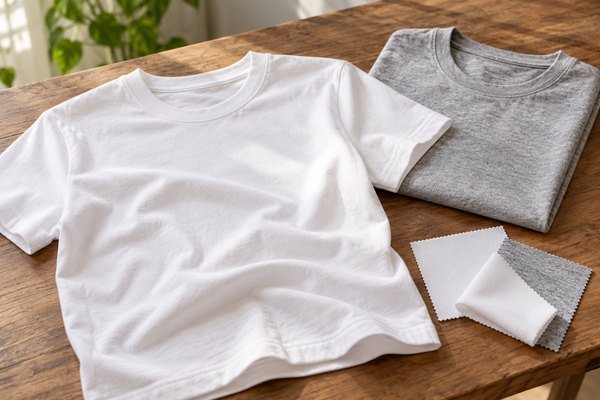
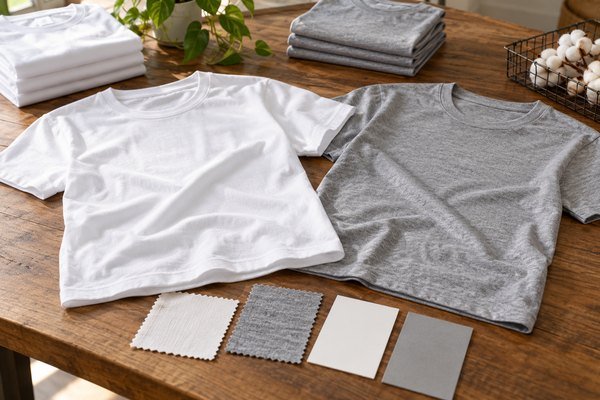
A cotton shirt may suit buyers looking for a familiar hand feel and a conventional promotional appearance. However, cotton specifications can vary substantially. Request the composition, nominal GSM, knit description, finish and measured size chart for each proposed option. Two samples described as cotton need not behave alike.
Handle the shirt, check its opacity and review it after the agreed wash procedure. Do not assume that a soft initial feel predicts dimensional stability. A fabric choice becomes commercially useful when the buyer can explain which sample was approved and what bulk production must match.
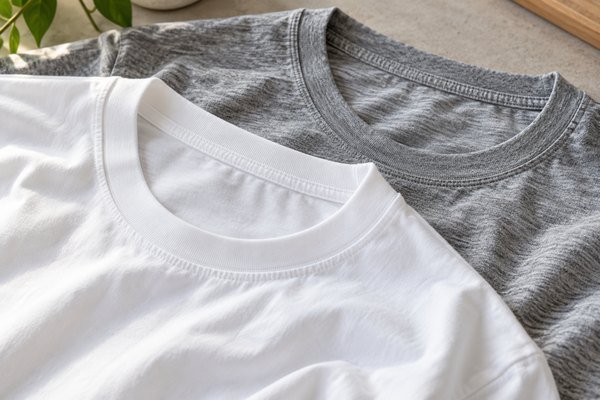
Evaluate polyester without assuming performance
Polyester is often proposed for active programs, but a fiber label alone does not establish breathability, moisture management or comfort. Evaluate the actual knit and finishing treatment. Ask the supplier to distinguish an ordinary polyester jersey from a fabric sold with a specific performance claim.
Where drying or moisture behavior is important, compare samples under a repeatable procedure and request suitable test evidence for claims. Include fit and print coverage in the review. A large decoration area may change the experience of a garment that felt comfortable before printing.
Consider a blend as its own option
A cotton-polyester blend is a separate specification, not simply a compromise that automatically delivers every benefit of both fibers. Record the percentages and ask whether the quoted blend remains consistent across colors. Review its surface appearance, handling and after-wash measurements independently.
Keep composition changes under written control. If the supplier proposes an available alternative, identify its effect on decoration, labels, costs and the approved sample. An urgent substitution should not turn a known product into a different garment without the buyer understanding the tradeoff.
Match the printing process to the fabric
Send artwork and intended print dimensions with the material brief. Light and dark garments may require different decoration setups. Polyester-containing fabrics also deserve specific review for dye migration when the proposed print involves heat. Ask the decorator to test the actual fabric color and lot.
Compare decorated samples rather than undecorated shirts alone. Review surface feel, edge quality, adhesion and appearance after the agreed care process. A technically attractive fabric can still be the wrong commercial choice if the required print is expensive or uncomfortable at the selected size.
Make the final comparison measurable
Create a decision sheet with wearer conditions, fabric composition, GSM, size measurements, decoration method, sample findings and total order cost. Mark each requirement as essential or optional. This prevents a lower unit price from quietly replacing a requirement that made the garment suitable.
The procurement recommendation is to choose the lowest-complexity specification that meets the real brief. Avoid adding a performance finish merely because the term sounds premium. Equally, do not remove a necessary feature when comparing quotations. A clear approval record is more valuable than a broad claim that one fiber is always better.
Frequently asked questions
Is cotton always more comfortable?
No. Comfort depends on the whole garment and wearing conditions. Compare actual samples, including fit, construction and decoration.
Can I use the same artwork on both options?
Often, but the decoration process and result need separate review. Confirm print compatibility on each proposed material.
Should every regional team receive the same fabric?
Use a common specification where it serves the program. If conditions justify differences, document separate versions so purchasing and distribution remain clear.
Request a material comparison
Send your wearer profile, destination climate, quantities and artwork to Polltee. Ask for clearly identified fabric options and decorated samples, then approve the garment that meets your use case.
Related buying resources
Review customization options · Prepare sample approval · Discuss your B2B project with Polltee