Volunteer T-shirt role colors can help event teams recognize people quickly, but color should not carry the entire identification system. A shirt may be partly covered, look different under venue lighting or be difficult for some viewers to distinguish. The operational task is to create recognizable roles and issue the correct garments without adding unnecessary product variants. Start with the people and tasks before choosing the palette.
Use a small role-color map with clear text or symbols as additional identification. Review the garments in expected conditions, document quantity allocation and train the issue team. Do not assume bright ordinary apparel is certified protective clothing.
Define the roles that need identification
List the actual functions: reception, logistics, route support or another program-specific task. Ask who needs to recognize each group and why. Some distinctions may matter to staff but not to participants.
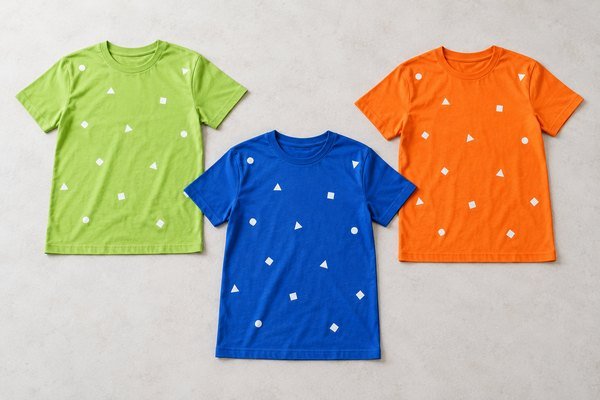
Avoid giving every internal responsibility a different shirt color. Too many variants can make the system harder to learn and complicate ordering. Select a manageable set of visible roles, then use another identifier where finer detail is necessary.
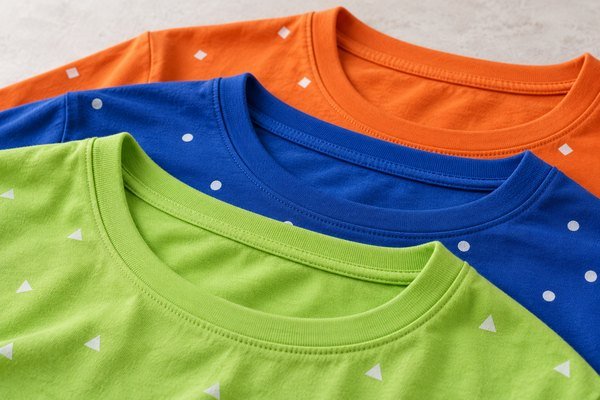
Build the role map before selecting fabric
Create a table or simple register linking role, garment color, wording or symbol, quantity and approval owner. Check that the names are consistent across the event plan and artwork. Similar role labels can create confusion even when colors are different.
Have operations staff review the map. The designer may produce an attractive palette, but the event team understands how people will move and communicate. The final arrangement should support those tasks rather than merely matching a visual mood board.
Add an identification method beyond color
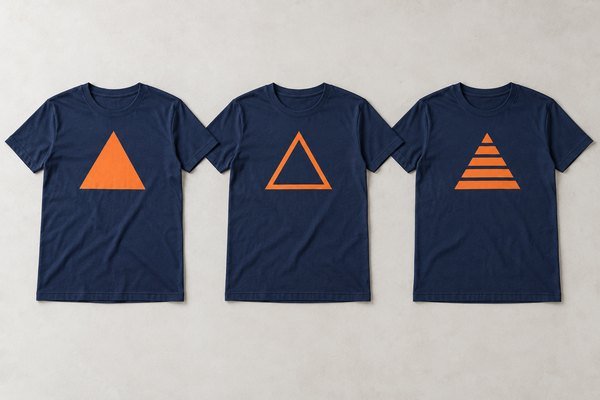
Use readable wording, a recognizable symbol or another suitable identifier. Review its visibility at the distances relevant to the venue. Color differences alone may not work for every viewer or lighting condition.
Check the contrast and layout on actual garment samples. If identification is necessary for access or safety decisions, coordinate it with the event’s established procedures. A T-shirt should not silently become the only credential for a role that requires a more controlled system.
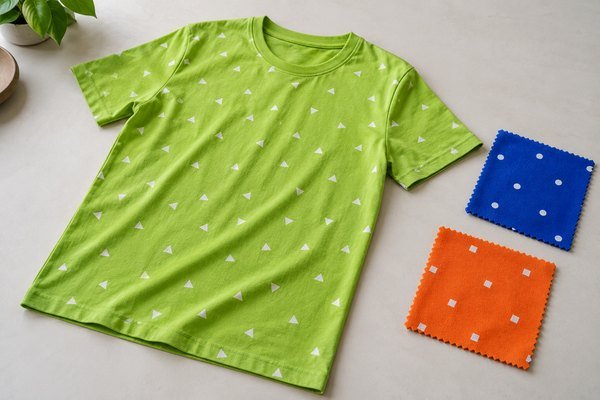
Review lighting and garment coverage
Look at samples in the intended setting where possible. Venue lighting, jackets, bags and normal movement can change what is visible. A color that looks distinct in a studio may be less useful in the field.
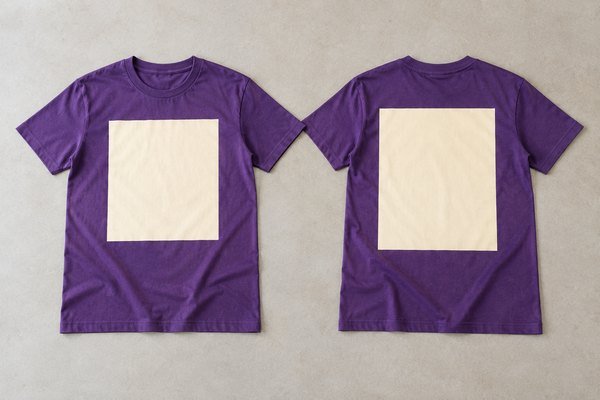
Check both front and back identification when roles need to be recognized from several directions. Ask the supplier to review print locations and dimensions. Keep the actual artwork and color combinations in the approval record.
Separate ordinary visibility from protective claims
Bright colors may improve visual recognition in some settings, but that does not establish certified high-visibility performance. If a role requires protective clothing, use the appropriate procurement route and verified product requirements.
Keep the campaign-shirt description accurate. Do not promise that a bright volunteer tee meets a protective standard without applicable evidence. Operations should decide which tasks are suitable for ordinary identification apparel and which require other equipment.
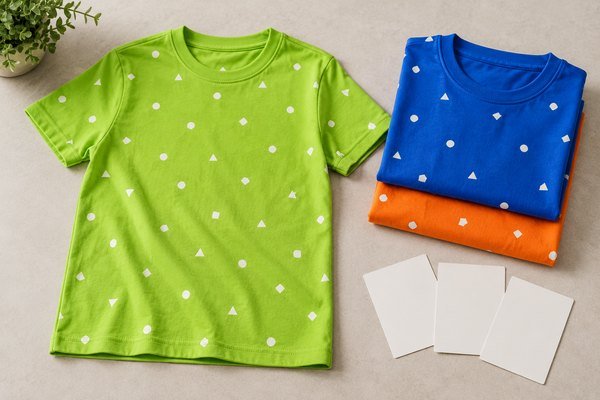
Calculate quantities from assignments
Use confirmed role counts, shift arrangements and any justified spare allocation. Collect size selections with the role code. This keeps the production split connected to the actual staff plan.
If people move between roles, decide how clothing or other identifiers will be handled. Do not order an extra full set without reviewing whether it is needed. Record the assumptions behind estimated quantities so later changes can be assessed clearly.
Organize issue and exchanges
Label cartons by role and size. Give the issue team the final map and a sample of each approved garment. Check that staff can identify the contents without opening every box.
Record what is issued and how exchanges are handled. Keep unused stock identifiable. If a garment is returned, follow the program’s handling arrangements rather than mixing it into new stock without a decision.
Brief the team before the event
Explain the color and role system to staff who need it. Include the additional identifiers and any access procedures. A visual system is useful only when people understand what it means.
The operations recommendation is to make recognition redundant and distribution simple. A limited palette, readable role mark and controlled issue process can be more useful than many impressive-looking variants that nobody can reliably distinguish.
Frequently asked questions
Should every role have its own color?
Only when the distinction helps operations and remains manageable.
Is a fluorescent-looking T-shirt safety clothing?
Do not assume certification or protective performance from appearance.
Can color replace a staff credential?
Use the event’s appropriate identification and access procedures. A shirt may support recognition without being sufficient authorization.
Prepare a role-color brief
Send Polltee your role map, quantities, sizes and artwork. Ask for physical color and print samples before approving the volunteer apparel program.
Related buying resources
Review customization options · Read the related purchasing guide · Discuss your B2B project with Polltee