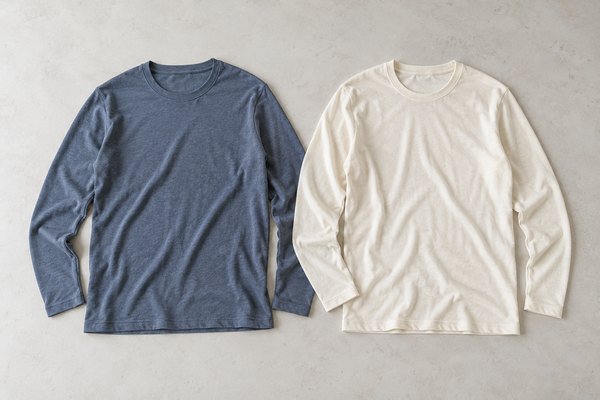
Long-sleeve campaign T-shirts can support programs that extend beyond a single warm-weather event. They may be considered for layering, cooler venues or a coordinated staff appearance. However, adding sleeve length is not the only specification change. Buyers need to review cuff construction, arm movement, print placement and how the garment will be worn. A short-sleeve sample does not fully approve its long-sleeve counterpart.
Define the intended use and review a complete long-sleeve sample. Specify sleeve dimensions, cuff or opening construction, layering fit and artwork locations. Avoid implying protective performance unless the exact garment has suitable supporting evidence.
Use case: an extra layer
If wearers will use the shirt under or over another garment, record that intention. Review body width, shoulder fit and sleeve space accordingly. A pattern that feels right alone may be inconvenient when layered.
Ask representative users to try the expected combination where practical. Check movement and whether the hem and sleeves remain usable. The buyer should explain the layering requirement before sampling so the factory is not guessing how much ease is needed.
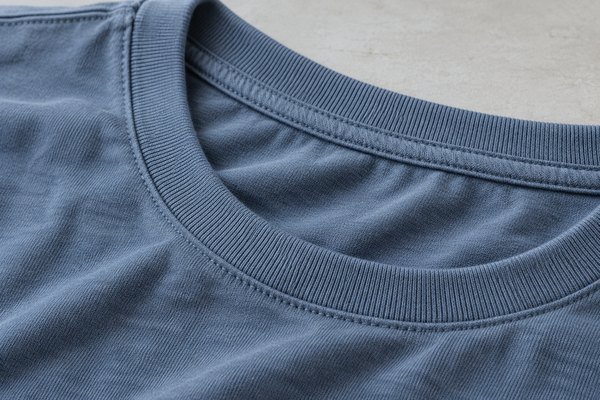
Use case: indoor staff
A long-sleeve shirt may be chosen for a consistent staff appearance in a venue. Consider how users move, handle materials and work at counters. The sleeve opening and cuff should support that activity without creating unnecessary bulk.
Review the actual venue context rather than assuming every indoor setting is cool. If roles differ, ask whether one specification can serve them. Additional garments or variants should have a clear operational reason and an identified quantity.
Use case: cooler regional programs
Discuss expected conditions and wearing duration with the local team. Long sleeves alone do not establish thermal performance. Fabric, fit, layering and the rest of the clothing system influence the experience.
Describe the product as ordinary apparel unless a verified claim is part of the brief. Do not imply that a campaign T-shirt provides weather protection simply because it covers more skin. If special performance is required, address the evidence and specification separately.
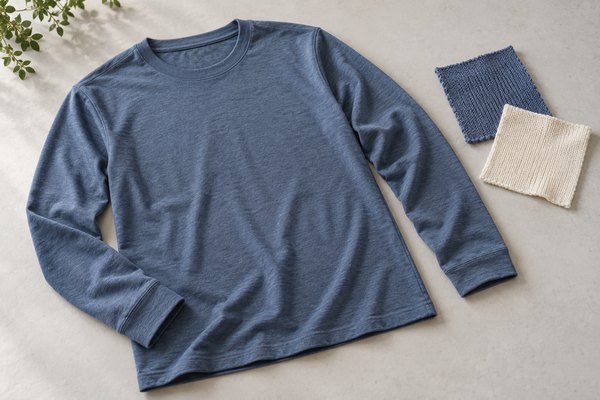
Specify the sleeve as a component
Request sleeve length, upper sleeve width, opening or cuff dimensions and defined measurement points. Review the relationship to shoulder construction and overall garment size. A single sleeve-length number does not describe how the arm will fit.
Where cuffs are used, specify their construction and review feel, shape and attachment. Where an open hem is used, inspect the finished opening. Keep the approved component with the garment reference so later production does not substitute a different treatment without review.
Review sleeve printing carefully
A sleeve graphic needs its own dimension and position instructions. Ask the decorator which locations are workable for the selected construction and process. Avoid placing artwork across a seam or narrow area without checking feasibility.
Review the graphic when the arm is relaxed and during movement. Confirm whether left and right sleeves have different marks. Record each artwork version separately and make the quantity allocation explicit if variants exist.
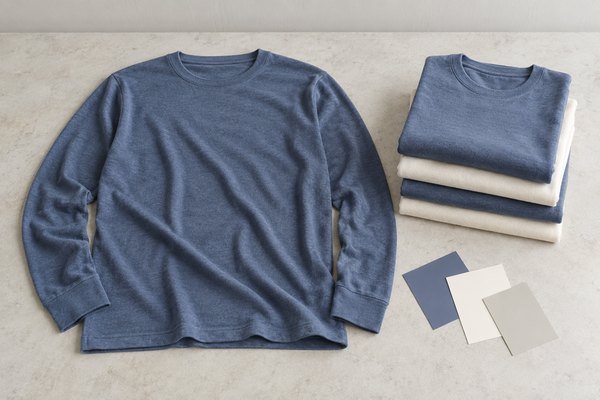
Include the complete care review
Observe the body, sleeves, cuffs and decoration after the agreed care procedure. Record relevant measurements and visible changes. Do not infer long-sleeve performance from a short-sleeve sample using similar fabric.
If a problem appears, ask the supplier to assess the actual construction. A cuff issue may require a different response from body-fabric dimensional change. Review a revised complete sample where the correction affects fit or appearance.
Check the packing and issue implications
Obtain actual packed weights and dimensions for the long-sleeve version. Extra material and a different folding arrangement can affect the shipment, but the impact should be measured rather than assumed. Confirm carton quantities and handling requirements.
Keep long- and short-sleeve variants clearly identified if they appear in the same program. The issue team should know which roles or locations receive each version. Clear labeling prevents a factory-correct shipment from becoming a distribution error.
Decide on repeat use
Consider whether recipients are expected to keep wearing the garment after the campaign. This may influence fabric feel, branding coverage and care expectations. Ask for feedback on the actual sample rather than assuming a more substantial garment will be retained.
The regional buying recommendation is to specify the long-sleeve shirt as a complete product. It can share a campaign identity with other garments while needing its own pattern, component and sample approval.
Frequently asked questions
Can I simply extend the sleeves on an approved shirt?
Use that as a design starting point, then review the actual long-sleeve pattern and construction.
Does a long sleeve mean sun protection?
Do not make that claim without appropriate evidence for the exact product.
Can sleeve artwork use the same placement on every size?
Review the size range and define any necessary groups or position adjustments.
Prepare the long-sleeve brief
Send Polltee the roles, layering needs, garment measurements and sleeve artwork. Request a complete sample before confirming bulk production.
Related buying resources
Review customization options · Read the related purchasing guide · Discuss your B2B project with Polltee