
Women’s fit promotional T-shirts work best when the buyer offers useful garment information instead of guessing what every recipient wants. A more shaped pattern may suit some users, while others prefer a straight silhouette or a different amount of ease. The procurement task is to make those choices practical without confusing the factory or distribution team. Fit should be defined through measurements and use, not marketing labels alone.
Provide identified silhouettes, garment measurements and a clear selection process. Review representative samples, collect style and size together, and approve each pattern as a complete product. Do not assume one fit preference represents every wearer.
Begin with the program’s purpose
Ask whether the shirts are staff uniforms, participant giveaways or promotional merchandise. Consider how long people will wear them and whether repeated use is expected. These circumstances affect how much choice and sample review are useful.
An illustrative event program might offer a straight fit and a slightly shaped option using the same campaign identity. That is a planning possibility, not a recommendation for every order. The buyer should decide whether the added choice solves a real wearer need.
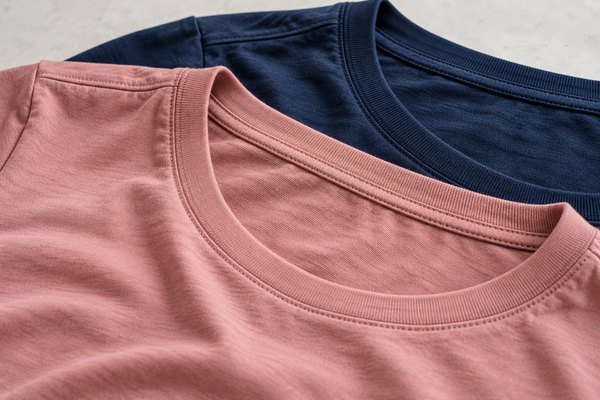
Describe silhouettes in practical terms
Request body width, length, shoulder width, sleeve dimensions and any relevant shaping information. Use a measurement diagram so terms are consistent. Describe the actual garment rather than relying on words such as feminine or slim.
Make clear which measurements are garment dimensions and which information refers to the wearer. If users are comparing with a shirt they already own, explain how to measure it using the supplier’s method. This is often more useful than asking people to select their usual size without context.
Arrange a respectful sample review
Offer samples in representative sizes to volunteers who choose to participate. Ask about movement, length, neckline, sleeve comfort and the amount of ease. Keep responses focused on the garment’s usability, and avoid collecting unnecessary personal information.
Record the sample code and size for each observation. Distinguish repeated concerns from individual preferences. The purpose is to identify a suitable option and useful size guidance, not to declare one silhouette universally correct.
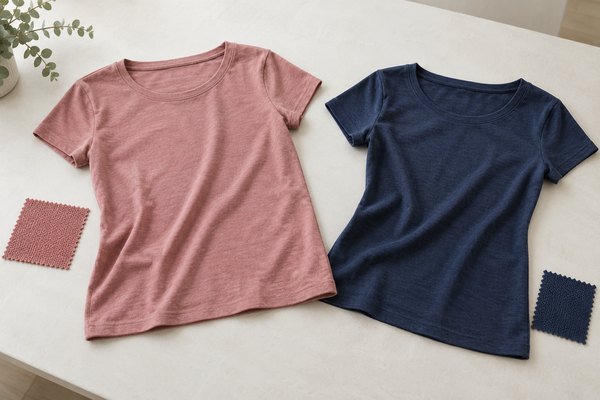
Collect choices without losing the details
Use one selection record with style code, size code and quantity. If colors vary by role, include that field as well. A list of size letters alone can lose the distinction between patterns and create the wrong production allocation.
Set a clear deadline for selections before confirming the order split. Explain how later changes will be handled. If an internal team estimates quantities, label the estimate and its basis so it is not mistaken for confirmed individual selections.
Keep branding consistent across patterns
Review the artwork on each silhouette. Body width, neckline and length can affect the available print area and visual balance. Confirm whether the same graphic dimensions will be used or whether controlled size groups are needed.
Specify placement using defined garment reference points. A shared campaign identity does not require ignoring differences in the garment. The design team should approve the finished appearance so the factory is not left to improvise.

Check the production and replenishment impact
Ask how separate patterns and small quantity splits affect minimums, sampling and production planning. Confirm whether additional sizes or replacement garments can be supplied under the same specification. Do not assume a small follow-up order will have identical commercial terms.
Keep each approved pattern, size chart and physical sample in the order record. If the supplier proposes a substitution later, review it against the wearer needs that justified the original choice. Similar appearance does not prove equivalent fit.
Plan the issue desk
Label cartons and garment packs so staff can distinguish the silhouettes without unfolding every shirt. Provide the approved size information at the issue point. If exchanges are allowed, decide how returned units and remaining stock will be recorded.
The inclusive purchasing recommendation is to give people clear choices and accurate information. More variants are not automatically better; useful options and a reliable selection process matter more. A manageable range can support wearer preference while keeping the factory’s instructions precise.
Review after the program
Ask whether users selected the expected sizes, requested exchanges or avoided one silhouette. Record what the team actually observed. Compare issued quantities with confirmed selections rather than treating leftover stock alone as proof of an unpopular fit.
Use the findings to improve the next brief. Keep the successful measurement chart and sample references, and identify which changes require new approval. This allows the program to learn without inventing a new fit system each time.
Frequently asked questions
Should I order a shaped fit for every woman?
Do not assume preference. Provide appropriate information and a practical choice where the program supports it.
Can one letter size mean the same in both patterns?
Not necessarily. Compare the defined garment measurements.
Is more shaping always more comfortable?
Comfort depends on the wearer, intended activity and complete pattern.
Build a practical fit range
Send Polltee your audience, intended use and proposed silhouettes. Ask for complete samples and separate measurement charts before collecting the final style and size split.
Related buying resources
Review customization options · Read the related purchasing guide · Discuss your B2B project with Polltee