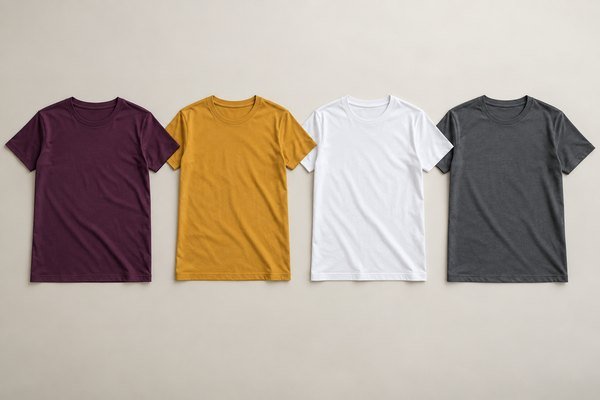
For wholesalers and distributors.
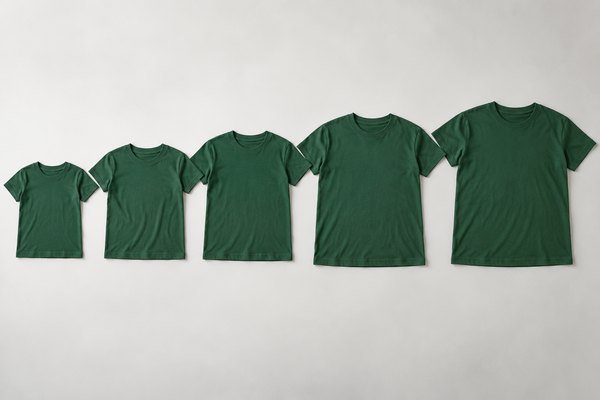
A wholesaler can offer many colors and still struggle to fulfill a straightforward buyer request. Promotional T-shirt assortments work best when the range reflects repeat demand rather than the largest possible catalogue. Every added color, fit or decoration option creates another combination to quote, sample, stock and replenish. The purchasing challenge is to provide useful choice while keeping the range operationally manageable.
Build the range around buyer segments and repeatable base garments. Separate core options from project-specific variants, define minimum quantities by combination, and keep a clear matrix linking each offer to specifications, samples and replenishment conditions.
Map the buyers before adding variants
List the needs of agencies, event organizers, corporate clients and local distributors you intend to serve. Some prioritize a consistent blank base for later decoration; others want finished printed shirts. Their preferred quantity, presentation and delivery model may differ significantly.
Review actual inquiries and orders where available. Distinguish proven repeat demand from a color suggested by one prospective buyer. A wide speculative range ties up more decisions and can create slow stock. Start with combinations you can explain and support.
Define a core garment standard
Choose a limited set of base constructions with clear measurements, material specifications and intended fit. Give each its own reference instead of grouping technically different shirts under a vague “standard promotional” description. Buyers should know what is shared across the range and what changes.
Compare relevant garment and decoration options with Polltee before advertising them as interchangeable. One print method may suit one material better than another. Confirm the finished sample for the proposed combination, especially when an offer includes complex artwork or darker garment colors.
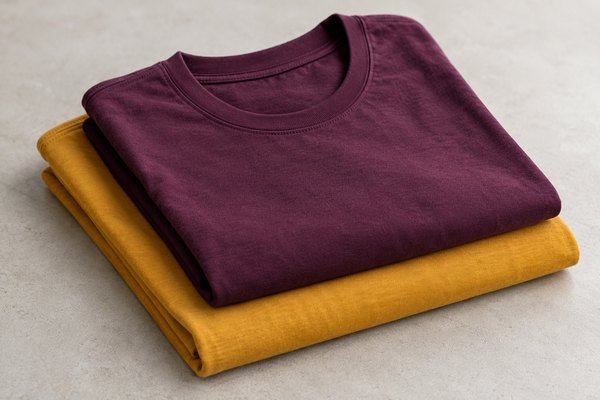
Create a range matrix with meaningful differences
Use rows for base garment references and columns for supported colors, sizes, decoration routes and packing choices. Identify the approved combinations. A product that is technically possible but needs separate development should be marked as a custom project rather than ready-to-repeat stock.
For an illustrative range, a core crewneck might support a few common colors while a second construction serves another wear requirement. This is a planning example, not a recommended stock assortment. Let your customers’ demand and supplier capability determine the actual range.
| Range layer | Commercial role |
|---|---|
| Core garment | Repeatable specification and approved sample |
| Supported variant | Defined color, size and decoration combination |
| Custom project | Separate feasibility, minimums and approval |
Quote minimums at the correct level
Ask whether minimum quantities apply to the total order, individual garment color, material lot, print version or custom label. Those are different constraints. A mixed order of several designs may not qualify for the same price as one large identical run.
Separate samples, setup, product, packaging and freight in your costing. Record price validity and reorder conditions. Avoid publishing a headline price that assumes a volume or decoration scope your typical buyer does not use. A clear offer reduces quotation disputes and unnecessary revisions.

Plan identification and replenishment
Give each sellable combination a stable item reference and keep the specification revision behind it. If your systems need standardized identifiers, discuss GS1 barcode guidance with trading partners. Connect item data, packing labels and actual products before launching the assortment.
Ask how core colors and materials will be replenished. Ready stock today does not establish indefinite availability. Confirm which lines are regularly repeated and which depend on new material production. Review stock age and customer feedback rather than continually adding more variants.
Use custom options without confusing the core offer
Maintain a separate process for unusual colors, special fits, private labels and complex prints. Request the buyer’s complete brief, then confirm development cost, minimum quantities and timing. Do not let a custom request silently rewrite the core standard used by other customers.
My wholesale recommendation is to sell a controlled range confidently. A smaller assortment with clear specifications and repeat-order support can be more useful than a large list of loosely defined options. Expand when demand and production evidence justify the new combination.
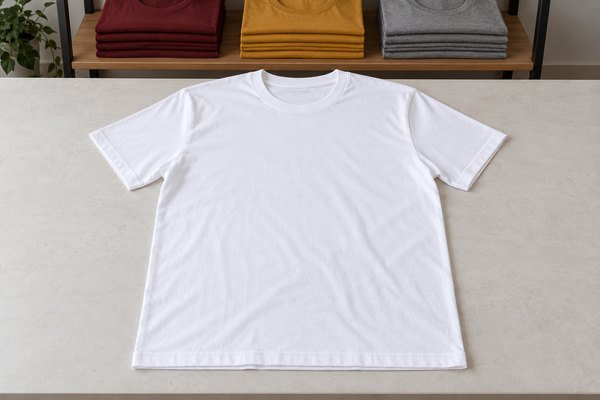
A simple range review
Schedule periodic review of inquiries, repeat orders, stock age and unresolved supply issues. Keep successful core combinations stable while considering new variants through a defined development process. If a line is discontinued, state how remaining stock and replacement offers will be described. Clear product records protect buyers from accidentally receiving a different garment under the same reference.
Frequently Asked Questions
Should I offer every available color?
No. Consider demand, minimum quantities, replenishment and the work required to keep each option accurate.
Can several designs share one base garment?
Yes, if the base specification remains controlled and each decoration version has clear quantities and approvals.
Related purchasing guides
Private Label Promotional T-Shirts: A Guide for B2B Agencies · Bulk T-Shirt Reorders: Keep Color, Fit and Print Consistent
Prepare your B2B order brief
Share your buyer segments, target order sizes and proposed range matrix. Discuss a wholesale assortment with Polltee that is practical to quote, sample and replenish.