For distribution coordinators.
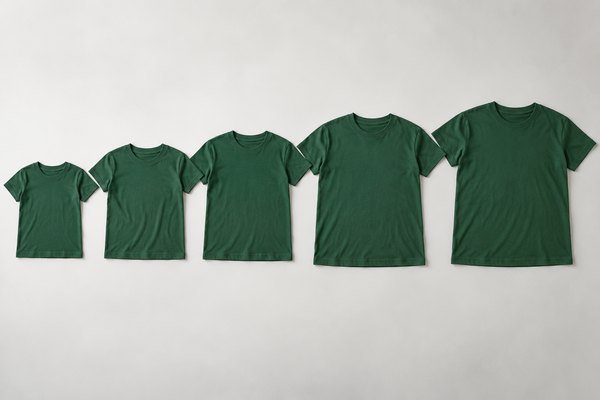
The purchasing team has agreed a total quantity, but the distribution team still needs to decide who receives each size. Ordering mostly medium and large may seem convenient until a regional coordinator runs out of smaller shirts while unopened cartons of another size remain. A campaign T-shirt size breakdown should follow the intended wearers and distribution method, rather than a generic ratio copied from another market.
Collect wearer information where possible, use finished garment measurements, and allocate quantities by destination as well as size. Treat any forecast as an assumption to review, then approve a size matrix before the factory starts cutting.
Build the forecast from the distribution plan
Separate staff uniforms, registered volunteers and general giveaways. Named teams may provide confirmed size requests; public distribution usually requires a forecast. These are different levels of certainty, so label them in the order worksheet instead of presenting all quantities as equally reliable.
Ask each regional coordinator for expected attendance, local fit preferences and collection arrangements. Consider whether recipients will choose their own size or receive a preassigned package. A shirt handed out at a desk creates different replenishment needs from a sealed kit delivered to a field team.
Use measurements rather than size names alone
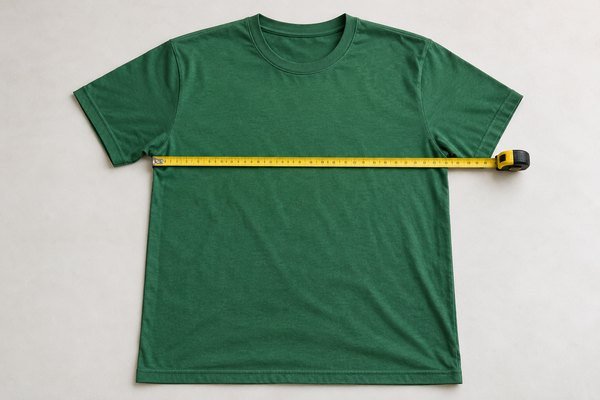
Small, medium and large do not describe universal garment dimensions. Send a table stating chest width, body length, sleeve length and the measurement method. Specify whether the intended fit is regular, relaxed or another agreed cut. Check the relevant sizes physically when the range is unfamiliar.
For a flat chest width, explain that the shirt is laid without stretching and measured at an agreed position. Do not confuse a garment measurement with the wearer’s body circumference. Review the garment customization brief with the supplier before applying local size names to a new pattern.
Work through an illustrative allocation
Suppose a program needs 10,000 shirts, with 6,000 going to one region and 4,000 to another. This is a planning example, not a recommended size ratio. Each region should have its own size forecast drawn from registrations or comparable distribution records.
Enter one row per destination and one column per size. Check both the regional totals and the overall order total. If the two regions request different patterns, keep their garment versions separate. Combining them under the same size label can hide a real specification difference and cause mistakes during packing.
| Allocation | Planning basis |
|---|---|
| Named staff | Confirmed size requests |
| Registered volunteers | Registration data and approved fit |
| Public handouts | Documented forecast and controlled reserve |
Decide how to handle uncertainty
A reserve can help when the buyer has a reliable basis for its composition and quantity. Determine who owns it, where it is stored and how requests reach that location. Do not simply add more of every size without considering budget, transport and the chance of surplus stock.
Keep confirmed team requests separate from estimated public quantities. Review actual collection data from an early event where practical, but confirm whether later changes remain possible within production. A forecast can improve over time; cut fabric and packed cartons may be much harder to change.
Translate the matrix into packing instructions
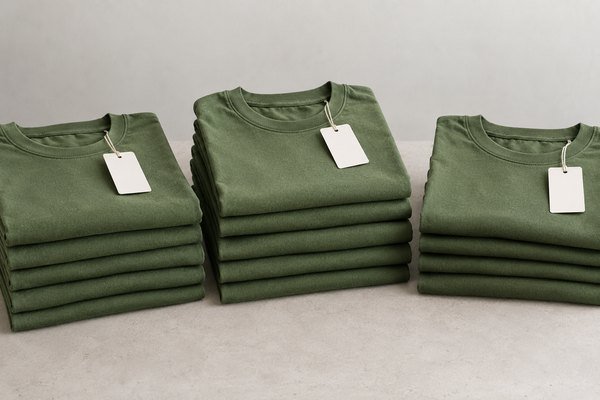
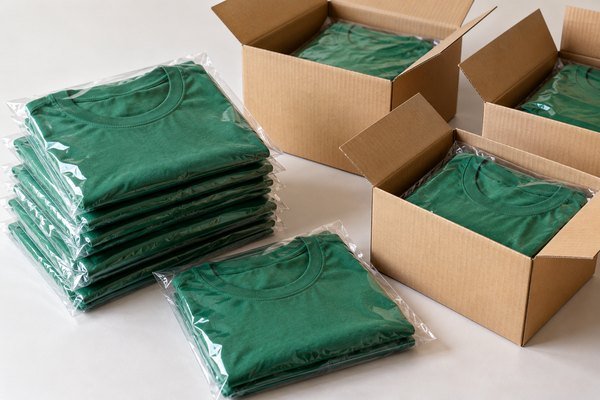
Ask for size identification that warehouse staff can read without opening each shirt bag. Specify whether cartons contain a single size or a defined mixed-size assortment. Include destination, garment version, size composition and quantity in the packing list and carton instructions.
The GS1 barcode guidance can support identification discussions where your warehouse uses scanning. Agree any required identifiers with the receiving team. A barcode is helpful only when the item record and actual carton contents correspond.
Approve changes through one owner
Name one buyer contact who can authorize the final matrix. When quantities change, issue a dated revision showing what moved and whether the total order changed. Obtain supplier confirmation that the revision arrived before the relevant production or packing step.
My practical recommendation is to check the smallest and largest sizes early. The middle of a range can appear acceptable while the extremes expose a grading or fit issue. Clear measurement approval prevents a distribution problem that no amount of carton sorting can solve.
Frequently Asked Questions
Is there one standard campaign size ratio?
No. Use audience information and garment measurements. A ratio from another population may create the wrong stock mix.
Can sizes change after sample approval?
Sometimes quantities can change before cutting, but confirm the stage, cost and schedule impact with the supplier.
Related purchasing guides
Campaign T-Shirt Carton Packing: Make Distribution Easier · Phased Campaign T-Shirt Delivery: Build a Regional Release Plan
Prepare your B2B order brief
Share your audience, finished measurement table and destination quantities. Ask Polltee to review the size matrix before production and regional packing are confirmed.