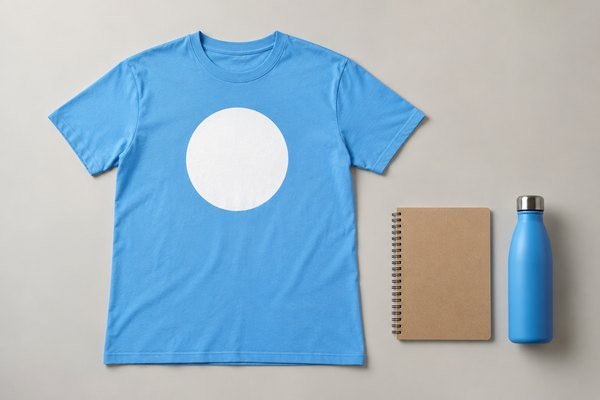
For ngo and event organizers.
An NGO purchasing team may need shirts for field staff, registered volunteers and a large public event within the same program. Those wearers do not necessarily need identical products. NGO event T-shirt procurement should connect the budget to actual use, while keeping the ordering process simple enough for staff to manage. A shirt that works for a short handout may not suit repeated field activity.
Separate user groups, define the minimum acceptable garment and decoration requirements, and compare the full program cost. Approve practical samples, document any sustainability claims, and plan packing around the organization’s distribution workflow.
Begin with the jobs the shirts must do
List who will wear the garments, for how long and in which conditions. Staff may need clear role identification and repeated-use comfort. Participants may need a shirt for one scheduled event. These differences can justify separate specifications if the quantity and budget support them.
Keep the brief focused on useful requirements: fit, coverage, visibility, movement and care. Do not assume that fiber content alone establishes comfort or performance. Test the proposed finished sample under conditions appropriate to the use rather than buying from a broad marketing description.
Choose what to standardize
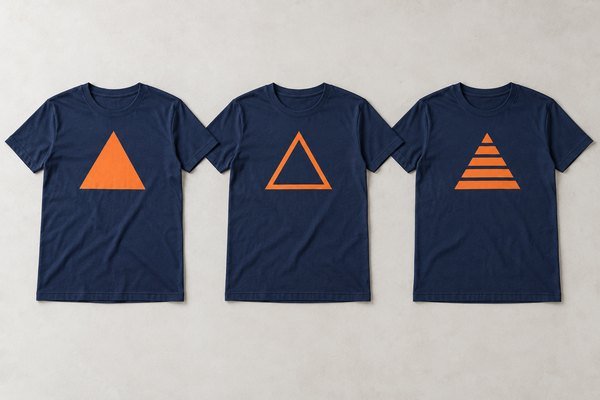
A shared garment color and limited artwork system can simplify purchasing. You might distinguish staff roles through a sleeve mark or a separate back print while keeping the base garment common. Ask the supplier which changes create separate setup costs or material quantities.
Use Polltee’s customization options to compare feasible combinations. Avoid creating too many variants for a team with limited receiving capacity. Each added design needs an approved file, quantity allocation and packing instruction, even if it seems like a small visual difference.
Compare the program budget transparently
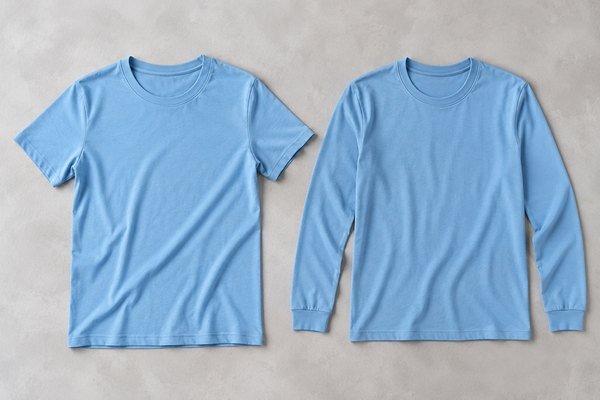
Separate sample and development costs, garments, printing, labels, packing and delivery. Include any sorting or kit assembly needed before the event. A low shirt price can be offset by extra freight or staff time if the order reaches the wrong place in an unusable assortment.
Make quotation scenarios explicit and identify funding or approval dependencies. Confirm whether donated or sponsor-supported artwork changes the specification. Keep the purchasing record clear enough for another team member to understand why the chosen offer met the program requirements.
Review environmental claims with evidence
If the organization requests recycled material or reduced packaging, state the specific attribute and the evidence expected. Ask which exact product or material the supporting document covers. Do not treat a factory brochure as proof that every shirt has the same certified content.
The Textile Exchange standards overview is a useful starting point for relevant material claim discussions. Confirm applicability and documentation with the responsible supplier and reviewer. Avoid general claims such as “fully sustainable” when the evidence supports only a narrower attribute.
Approve for wearing and distribution
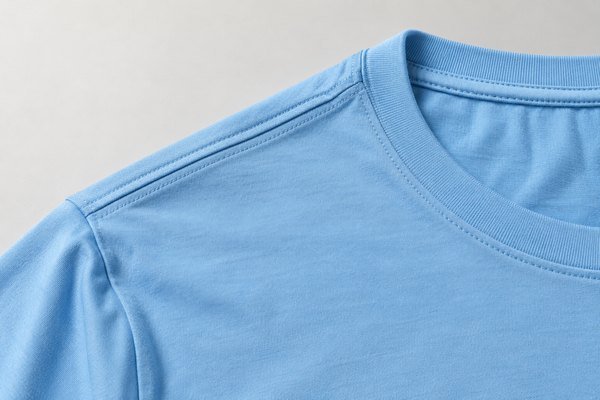
Check the sample’s garment dimensions, print legibility, neckline and construction. Review any required wash evaluation according to intended reuse. Include the smallest and largest relevant sizes where fit uncertainty is material. Confirm who has final authority to accept the product.
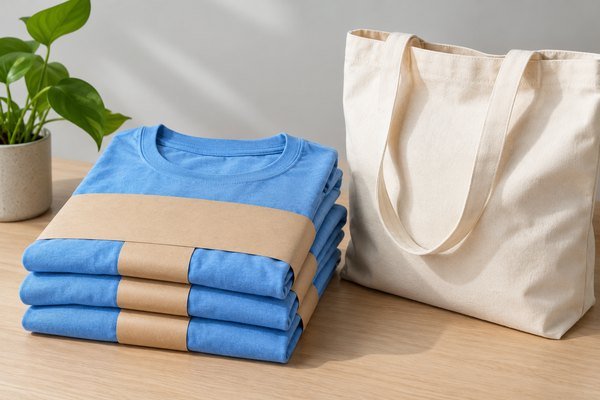
Review the packed sample with the staff who will distribute it. Specify bundle quantities, sizes and regional allocations. Where events take place on different dates, discuss phased delivery rather than assuming every location can store the full quantity from the beginning.
Build a practical end-of-program plan
Consider how unused stock will be held or reassigned within the organization’s permissions and branding rules. Dated artwork can limit later use, so ask whether an undated design meets the communication objective. Make that decision before printing, when it is still straightforward to change.
My procurement view is that the most useful NGO shirt meets a defined task without unnecessary complexity. Gather feedback after distribution: fit shortages, packing problems and wear issues can improve the next order. Keep those observations connected to the specification and actual lot supplied.
A useful feedback sheet
After the event, ask coordinators which sizes ran short, whether shirts were comfortable for their roles, and which packing choices slowed distribution. Record approximate issued and remaining quantities. Distinguish wearer feedback from measured defects. This evidence helps the next procurement team choose a better specification without making broad performance claims from a few individual comments.
Frequently Asked Questions
Should all program shirts be identical?
Not always. Separate staff and participant needs where justified, but weigh added variants against budget and handling complexity.
Can reduced packaging improve the order?
Sometimes. Check cleanliness, identification and distribution needs before removing protective or organizing layers.
Related purchasing guides
Campaign T-Shirt Quotes: A B2B Cost Comparison Checklist · Campaign T-Shirt Size Breakdown: Plan Quantities Before Production
Prepare your B2B order brief
Send your user groups, program dates, quantities and documentation requirements. Discuss an NGO event order with Polltee using a practical garment and distribution brief.