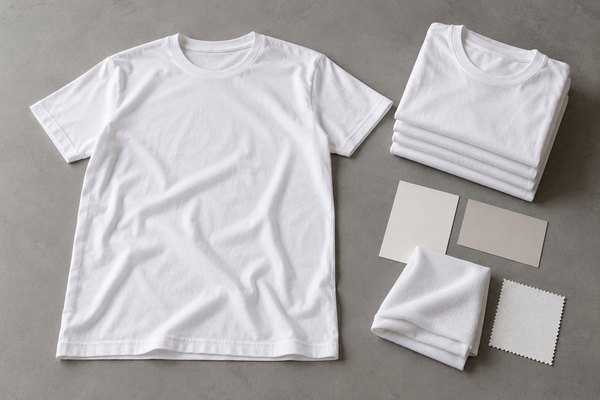
White campaign T-shirt opacity can be misjudged from a folded sample or a carefully edited product photograph. A fabric may look substantial on a table yet appear more transparent when worn outdoors. GSM is relevant, but construction, fit, lighting and the contrast behind the shirt also matter. Buyers need a realistic sample review and an agreed reference for acceptable appearance.
Review the complete white garment under consistent, relevant conditions. Compare similar sizes and fits, include the intended decoration and identify the approved physical sample. Fabric weight alone does not establish the coverage required by every program.
Myth: a folded sample shows the final result
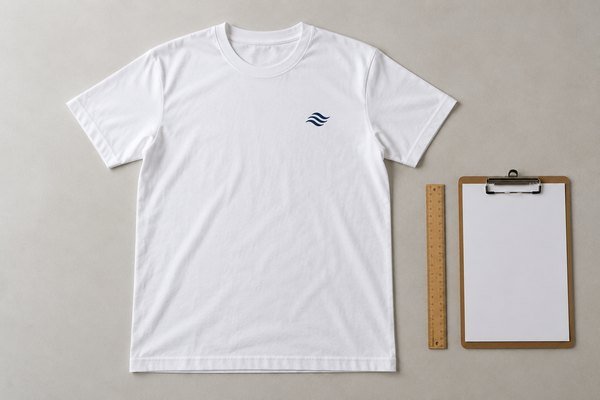
Folding places several fabric layers together. That can conceal how a single layer appears against the body or another garment. Ask to review the shirt fully opened and, where suitable, worn by a consenting reviewer or placed against a consistent background.
Keep the arrangement comparable for each option. Record sample identifiers and viewing conditions. The goal is a fair purchasing comparison, not the most flattering image. Catalog presentation should remain separate from the product-approval procedure.
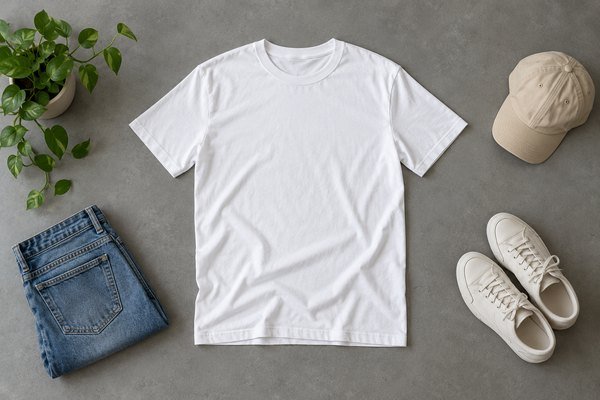
Myth: higher GSM guarantees coverage
GSM describes fabric mass per unit area. It does not specify every feature of yarn, knitting or finishing. Fabrics with similar nominal weight can still differ in appearance and the contrast visible through them.
Ask about construction and inspect the actual garment. If coverage is unsatisfactory, discuss material, knit and fit options with the supplier. Increasing weight may help in a particular case, but it should be reviewed alongside wear comfort, cost and shipment implications.
Myth: one size represents all wearers
Fabric can appear different when a garment is stretched tightly across the wearer. A sample loose on one person may be tight on another. Review representative sizes using the approved measurement chart, and avoid diagnosing unsuitable fit as a material problem.
If several silhouettes are offered, assess them separately. The same fabric can behave differently across patterns. Record the approved combination of material and measurements so the factory does not interpret the fabric approval as covering every garment pattern.
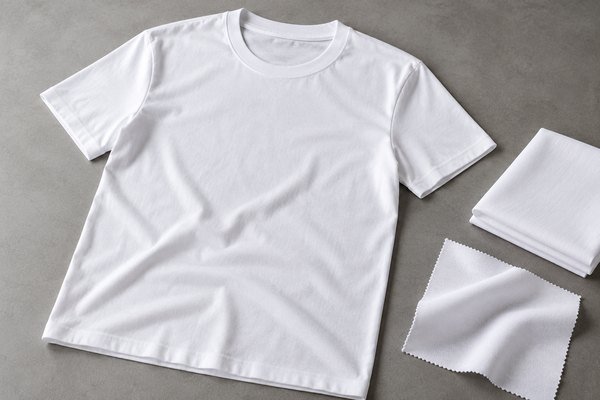
Myth: indoor lighting is sufficient
Consider the conditions that matter for the event. Shirts may be used outside, in venues and during photographs. Compare candidates under a consistent setup relevant to those uses rather than relying on unrelated images.
Do not claim a technical opacity rating from an informal visual review. If a measured requirement is necessary, consult qualified personnel about an appropriate method. For routine buying, an identified physical reference and documented viewing arrangement can be a useful control.
Myth: the print solves the fabric issue
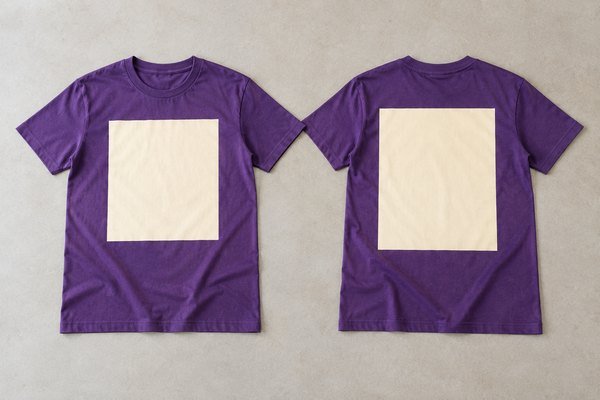
A graphic can cover part of the shirt, but it does not change the entire garment’s coverage. Inspect undecorated areas as well. Review whether a large solid print changes feel or handling and creates another problem.
The design team should approve the intended layout on the actual material. A visual adjustment should serve the campaign message. It should not hide an unresolved fabric requirement that remains visible elsewhere on the garment.
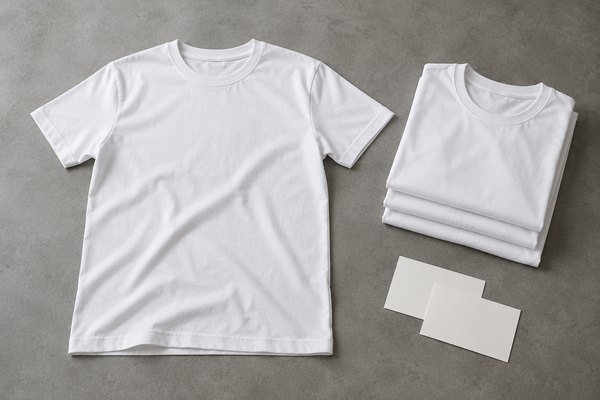
Create an approval reference
Retain a complete approved shirt and record composition, nominal weight, construction, size and supplier reference. Add photographs for communication. Identify the reviewer and whether the decision covers the full intended size range or only the samples assessed.
If a substitute is proposed, compare it with that reference. A new white fabric should not inherit approval simply because the supplier uses a similar description. Review the material, finish and garment dimensions as a complete configuration.
Compare only suitable options
First establish which candidates meet the essential coverage and wear brief. Then compare their cost, packing and other practical requirements. A heavier garment may suit repeated use, while another construction may achieve the required appearance at lower weight.
Keep the reason for the selection in the order file. This helps later buyers decide whether an alternative remains appropriate. An undefined requirement for premium white quality gives the supplier less guidance than a clear sample and a short explanation of the intended use.
Check the delivered reference
Use the agreed sample and review approach when examining the delivered product. Avoid judging a different size under dramatically different lighting and treating that as a like-for-like comparison. Keep receiving observations tied to the actual variant.
The procurement recommendation is to define acceptable appearance early. A shared physical target supports a practical discussion of tradeoffs and reduces the chance that the buyer and supplier approve different interpretations of coverage.
Frequently asked questions
Does color alone predict transparency?
No. Compare the actual fabric and garment.
Can a photo be the only reference?
It helps communication, but capture and viewing conditions limit exact comparison.
Should I enlarge the pattern to improve coverage?
Only after reviewing fit needs and a revised complete sample.
Is GSM irrelevant?
No. It is one attribute among several that need assessment.
Request a white-shirt comparison
Send Polltee the audience, intended use, artwork and coverage expectations. Ask for complete identified samples that can be reviewed under the same conditions before production.
Related buying resources
Review customization options · Read the related purchasing guide · Discuss your B2B project with Polltee