Campaign T-shirt supplier capacity should be assessed at the process level, not through a single impressive monthly output figure. A supplier can have sewing space available while fabric, printing or packing remains the constraint. The buyer needs an order-specific plan that explains what must happen before the promised quantity is ready. General factory capability is useful context, but it is not the same as reserved capacity for your campaign.
Ask which process limits the order, what inputs are ready and how milestones will be verified. Separate in-house work from partner work and confirm the responsibility for each stage. Evaluate the current production plan rather than treating a headline capacity claim as a delivery commitment.
Interview question: what is the actual order configuration?
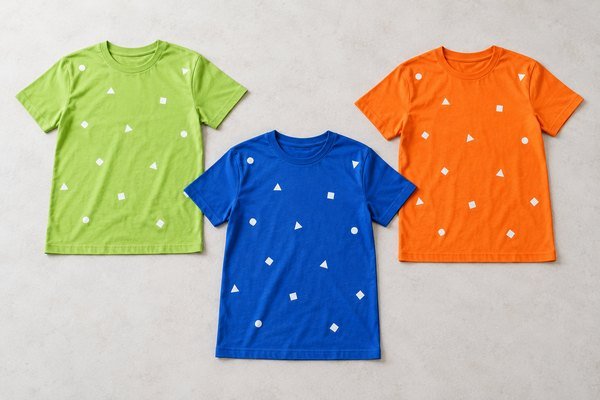
Provide quantity by color, size, artwork and garment style. A simple repeated design may create a different workload from many small variants. Ask the supplier to assess the exact configuration rather than quoting a general production rate.
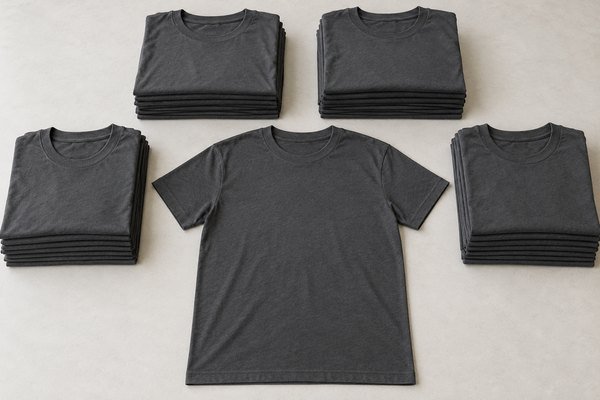
Include packaging and labeling requirements. Those steps can involve more work than the buyer expects, especially when regional allocations differ. The supplier’s capacity review should cover the finished shipment, not only the number of garments that can be sewn.
Interview question: which materials are ready?
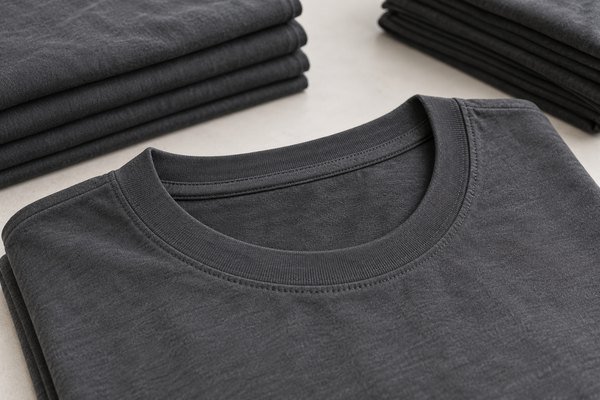
Ask whether the plan uses available fabric or requires procurement, dyeing or another preparation stage. Identify the approved material and how the supplier confirms its availability. A production slot is not useful if the required input will not arrive in time.
Request milestones for material readiness and sample approval. Make dependencies visible. If a substitute is offered, assess its effect on the product before approving it. Capacity pressure should not silently change composition, weight, shade or construction.
Interview question: where is decoration performed?
Ask which decoration steps are in-house and which use partners. Understand who controls artwork receipt, sample review and production quality. Partner work can be a practical production arrangement, but responsibility should be explicit.
For multiple print locations or designs, discuss setup and handling. Ask which operation is likely to constrain the schedule. Avoid assuming that an available sewing line means the entire order can move at the same pace through printing and finishing.
Interview question: what is already scheduled?
Request an order-specific explanation of the proposed production window. The supplier may not disclose other customers’ commercial details, but it can explain whether the commitment depends on future availability, overtime or an outside process.
Ask how the plan will be revised if an input or approval is late. A transparent dependency is more useful than a promise that nothing can go wrong. Keep the buyer’s own approval deadlines in the same milestone record so responsibility is visible on both sides.
Interview question: how will progress be demonstrated?
Agree useful checkpoints such as material readiness, decorated sample approval, completed quantity and packed quantity. Request information tied to the actual order. A general factory video is not the same as evidence that your units have reached a milestone.
Use photos, records or other appropriate updates with clear identifiers. Do not create a burdensome reporting process that adds little information. The buyer needs enough evidence to understand progress and make timely decisions about outstanding requirements.
Interview question: what happens at inspection and packing?
Ask whether quality review and packing capacity have been included in the plan. Finished sewing is not the same as shipment readiness. Confirm who checks the product, how findings are handled and when carton data will be available.
Where packing is destination-specific, review the allocation instructions early. A late regional split can create sorting work after garments are complete. Include the buyer’s final release list as a dependency rather than assuming the factory can pack unknown quantities.
Interview question: who owns the final commitment?
Identify a supplier contact who can coordinate the stages and communicate changes. Confirm which date means factory completion, collection readiness or another milestone. Do not use one date to imply every step through destination arrival.
The sourcing recommendation is to verify the narrowest part of the plan. A factory’s total theoretical capacity may be large, while one necessary process constrains your order. A clear explanation of that constraint helps the buyer choose a feasible configuration and approval schedule.
A useful evidence register
- Approved product configuration and quantity split.
- Material availability and relevant readiness milestones.
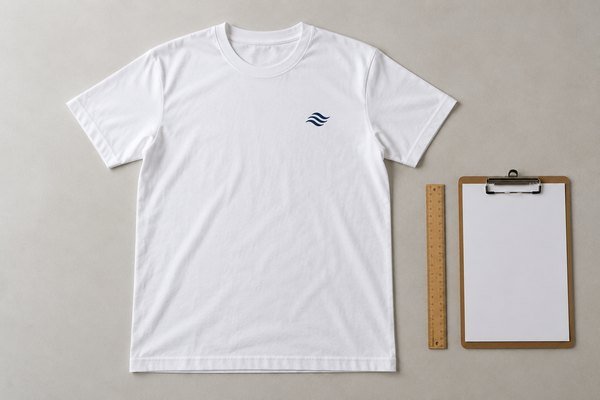
- Decoration responsibility and sample requirements.
- Order-specific production window and key dependencies.
- Inspection, packing and shipment-readiness checkpoints.
Frequently asked questions
Does a large monthly output prove my order can be delivered?
No. Review the exact configuration, inputs and available process capacity.
Is partner production automatically a problem?
Not necessarily. Ask about transparency, control and responsibility for the work.
What should I ask if the answer is only “no problem”?
Request the stages, dependencies and milestones behind that assurance.
Request a capacity review
Send Polltee your full quantity split, decoration, packaging and required dates. Ask for a production plan that identifies the actual constraints before you commit.
Related buying resources
Review customization options · Read the related purchasing guide · Discuss your B2B project with Polltee