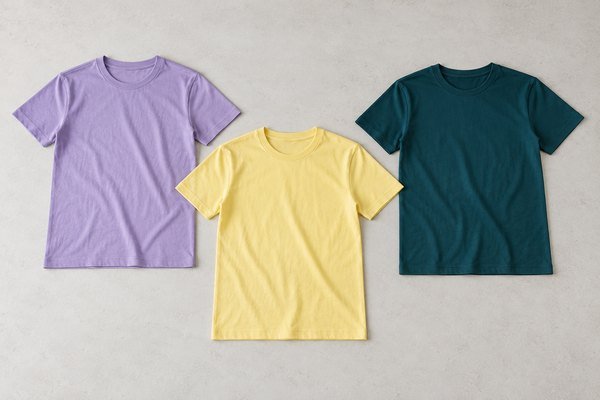
Campaign T-shirt MOQ can arise from several different operations. A buyer may see one minimum quantity in a quotation and assume it is a permanent rule for every shirt. In practice, fabric purchasing, color preparation, garment construction, decoration and packaging can each create their own requirements. Understanding the driver helps wholesalers consolidate orders without mixing specifications or promising quantities that cannot be produced efficiently.
Ask what the minimum applies to: total order, style, color, fabric, artwork or packaging variant. Consolidate only genuinely compatible requirements, and preserve each customer’s approved product and allocation. A larger combined total does not automatically satisfy every process minimum.
Identify the unit behind the minimum
Request a clear explanation of the quoted MOQ. Does it apply to one garment style, one fabric shade or one printed design? Ask whether size quantities can be combined and whether several colors are counted separately.
Keep the answer with the quotation. A minimum described only as pieces can be misunderstood when the buyer later submits many small variants. Clarifying the unit early allows the sales team to quote customers accurately.
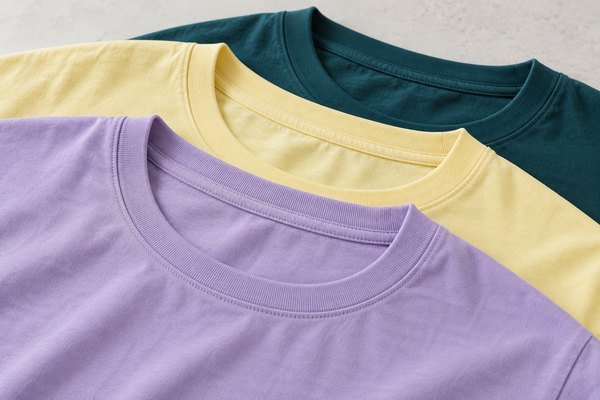
Separate material and decoration requirements
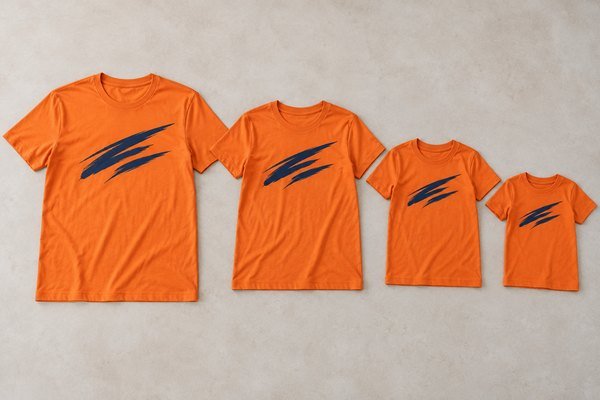
A common fabric may support several print designs, while different fabric shades may require separate sourcing. Conversely, available blank garments may simplify material purchasing while each artwork still creates setup or handling requirements.
Ask the supplier to break down the relevant constraints. The goal is not to demand disclosure of every internal cost; it is to understand which buyer choices change feasibility. A useful answer explains what can be shared and what must remain separate.
Build a compatibility matrix
List customer, garment style, fabric, color, measurements, artwork and packaging. Mark which elements are identical and which differ. Use that information to discuss consolidation with the supplier.
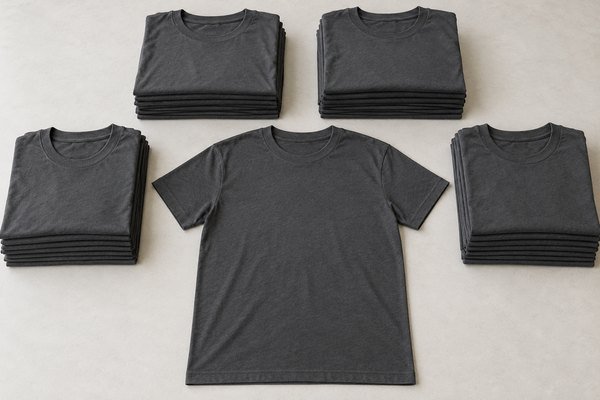
Do not treat similar descriptions as exact matches. Two buyers asking for white promotional tees may require different composition, weight, neckline or size charts. Their orders are compatible only if the actual specifications support the proposed shared production arrangement.
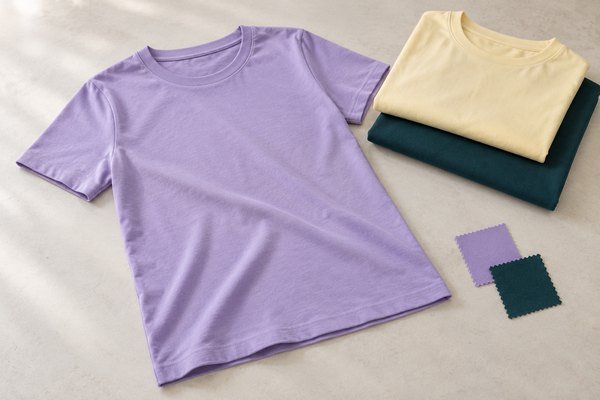
Keep customer approvals distinct
Each customer should approve the product it will receive. A combined order should not allow one buyer’s sample to authorize another buyer’s different requirements. Preserve the artwork versions and quantity allocations separately.
If standardizing a component would make consolidation practical, present the proposed change to the affected buyers. Explain the effect on product, cost and timing. Obtain clear approval before replacing a requirement with a common alternative.
Review the handling cost of variants
Many small artwork or packing variants can add sorting and verification work even when fabric is shared. Ask how the supplier will distinguish units and prevent mixing. Include identification and packing instructions in the brief.
Compare the savings from shared production with the added management cost. A consolidated order can be commercially sensible, but complexity should be visible. Do not assume that one large purchase order makes every small variant equally economical.
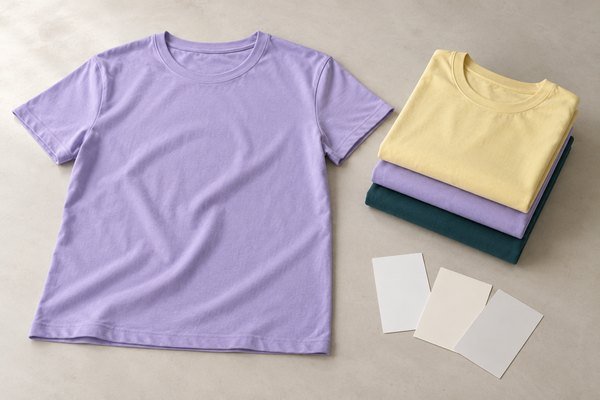
Allocate quantities before production
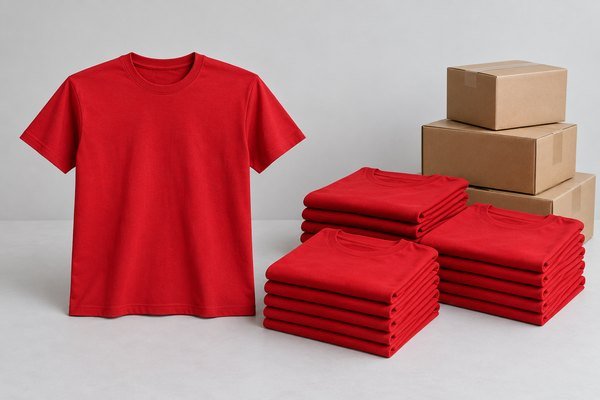
Confirm the final style, color, size and artwork split. Check totals at each level. Make the customer allocation explicit so completed garments can be packed correctly without relying on informal messages.
Keep overproduction, shortages or replacement arrangements subject to agreement. Do not promise exact spare quantities without confirmation. If a customer changes its requirements, review the effect on shared inputs and the other allocations before accepting the change.
Decide how reorders will work
Ask whether later orders can use the same shared specification and whether commercial minimums may differ when placed alone. A successful combined first order does not establish that every small replenishment can be made under the same conditions.
Retain the approved samples and specification identifiers. If a future consolidation uses a new material or artwork, review it as a new configuration. The buyer needs consistent product information even when the purchasing architecture changes.
Choose a manageable consolidation model
The wholesale recommendation is to standardize deliberately rather than merge loosely. A defined common blank with separate approved decoration may be practical for some programs. Other programs may need separate garments because fit or material requirements differ.
Record why the model was chosen and who owns each decision. This gives the supplier a clear production structure and helps the wholesaler explain the offer to customers without oversimplifying the minimum requirements.
Frequently asked questions
Can several print designs always share one MOQ?
No. Ask which process minimum applies and how variants affect setup and handling.
Does one fabric color make two products identical?
Not necessarily. Composition, construction, pattern and finishing can still differ.
Should I change every customer to a common size chart?
Only with their approval and a suitable fit review. Convenience alone is not a product specification.
Review a combined order
Send Polltee the customer variants and proposed common components. Ask for a clear explanation of minimums and a consolidation plan that preserves each approved requirement.
Related buying resources
Review customization options · Read the related purchasing guide · Discuss your B2B project with Polltee