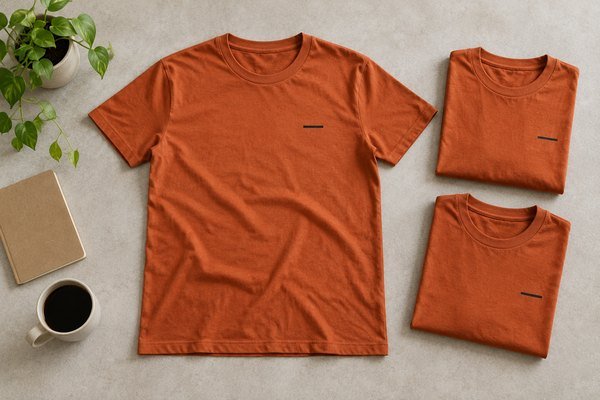
Campaign T-shirt retained samples give future buyers a physical reference for what was approved and delivered. Without an organized archive, a reorder discussion can depend on edited photographs, memories and unlabelled garments in a cupboard. The purpose of retention is not to accumulate shirts indefinitely. It is to preserve enough identified evidence to compare a new proposal with the relevant earlier specification.
Label each retained sample by order, version, size, material and approval status. Separate approved development references from actual production samples. Store them appropriately, maintain a simple register and use the archive alongside the written specification.
Choose what needs to be retained
Decide which samples have a useful role. These may include the approved preproduction garment and an identified sample from the completed order. If several materials or artwork variants exist, determine which differences require their own reference.
Avoid keeping every exploratory sample without context. An unapproved prototype can be mistaken for the target later. Record whether each garment is proposed, approved, superseded or taken from bulk production. The status is as important as the shirt itself.
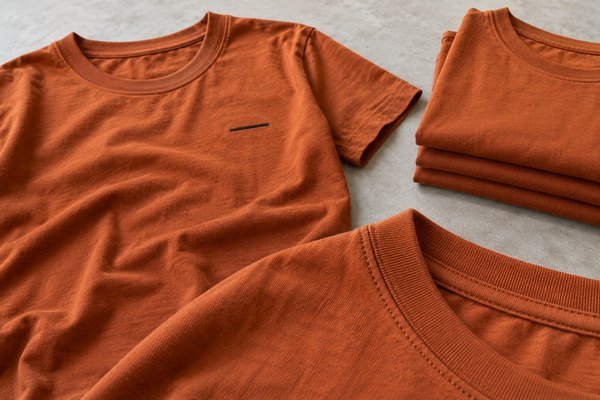
Assign a durable identifier
Use a sample code that connects to the order and specification version. Include relevant size, color and artwork information in the register. Keep the identifier with the garment without damaging the area that needs future review.
Do not rely only on the original shipping bag. Bags can be replaced or separated from their contents. Use a practical labeling arrangement and check that the archive record can still identify the sample if it is removed for inspection.
Preserve the specification relationship
Store the sample record with composition, nominal weight, garment measurements, decoration process, care instruction and approved files. The physical shirt shows the result; the specification explains how the result was defined.
Keep photographs for convenient communication, but do not treat them as the only color or feel reference. If a formal test report applies, identify the relevant sample and method. A report from another material should not become attached to the archive merely because the shirts look similar.
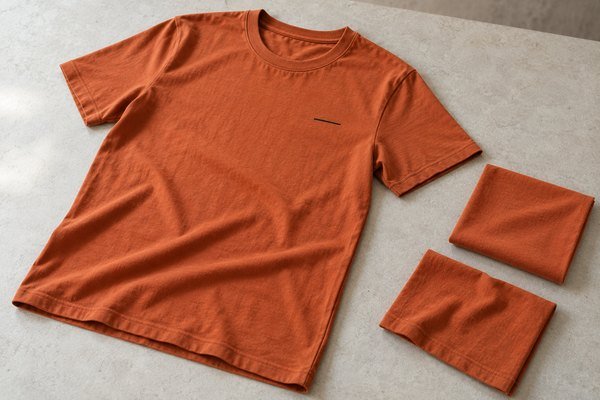
Distinguish untouched and reviewed samples
If a sample has been washed, worn or otherwise used in a review, record that history. It can still be valuable, but it serves a different comparison purpose from an untouched approved garment. Keep the care procedure and observations with it.
Avoid comparing a new shirt only with an old washed sample and concluding that the production is different. The condition history matters. A useful archive lets the reviewer understand which changes may result from care or storage rather than original manufacture.
Store samples for usable comparison
Choose clean storage that avoids unnecessary exposure to light, moisture or contamination. Keep garments identifiable and avoid folding arrangements that permanently hide important labels or print details. Use the supplier’s relevant care information.
Do not make a claim that simple storage guarantees indefinite color or material stability. Inspect retained references periodically and note their condition. If a sample is no longer suitable as an exact reference, keep the written evidence and agree how a new approval target will be established.
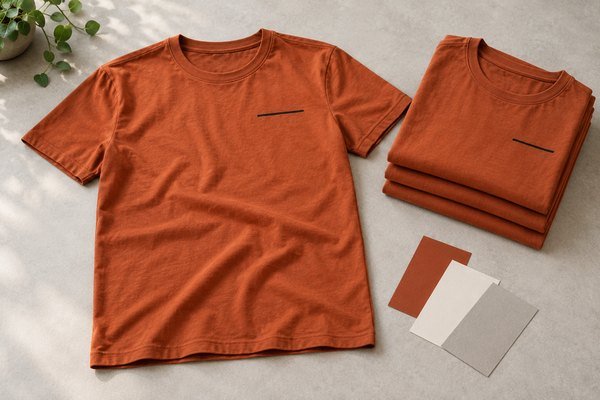
Use a register that colleagues can follow
Record sample code, order, version, status, location, condition history and custodian. Add a link or reference to the written specification. Keep the system small enough that it will be maintained after the original buyer moves to another project.
When a sample is loaned to a supplier or colleague, record where it went and when it returns. The archive should not lose its most important reference during a reorder discussion. Use copies or photographs for routine communication where the physical garment is unnecessary.
Review a reorder against the right target
Identify which earlier version the new order is intended to match. Compare the proposed sample with the relevant retained garment and specification. Note any material, construction or artwork changes before approval.
Do not ask the supplier to match a collection of contradictory samples. Choose one current target for the new order. If the archive contains several valid versions, make the intended relationship explicit so the factory knows which one to follow.
Define retention and review ownership
Decide who maintains the archive and how long the references are useful for the program. The arrangement should reflect reorder needs and any applicable contractual requirements. Do not impose an arbitrary universal retention period.
The repeat-order recommendation is to preserve a small, reliable chain of reference. A clearly identified shirt and a complete specification can be more useful than a large sample room where nobody knows what was approved.
Frequently asked questions
Is a production sample the same as an approved development sample?
They have different roles. Identify both and record the relationship.
Can a washed garment remain in the archive?
Yes, with its condition history clearly recorded and understood.
Do photos replace a physical color reference?
They support communication, but their viewing and capture conditions limit exact comparison.
Build a sample reference plan
Ask Polltee to identify the approved garment and relevant production references for your order. Keep them with the specification so future comparisons begin from a shared target.
Related buying resources
Review customization options · Read the related purchasing guide · Discuss your B2B project with Polltee