Shrinking campaign T-shirts is a common headache for buyers. If you do not plan for it, your whole order may end up the wrong size.
Yes, most campaign T-shirts will shrink after the first wash, especially if they are made from cotton. Choosing the right material and factory can help you avoid this problem.
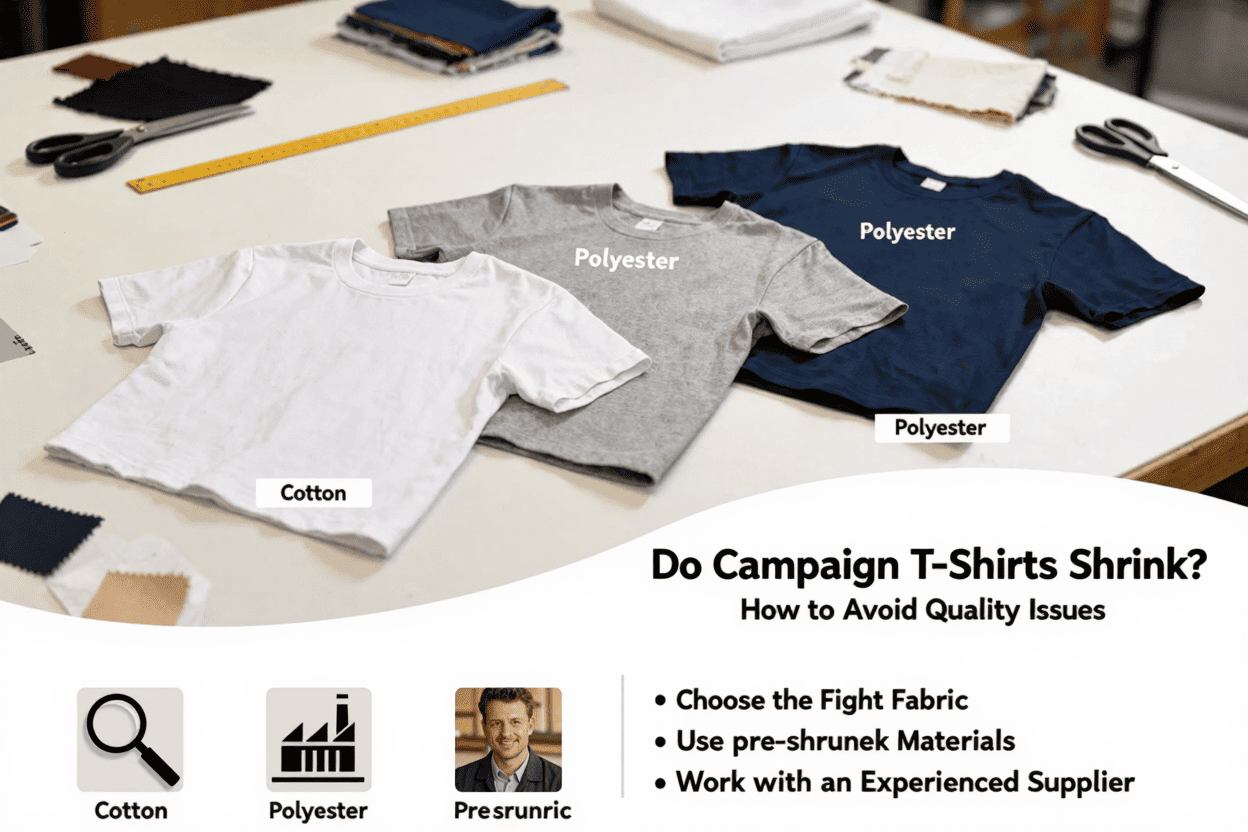
I have seen this problem many times. Some buyers do not realize their shirts will shrink until the first wash. Others get complaints from end users. If you want your campaign or promotional project to go smoothly, you need to know what causes shrinkage and how you can prevent it. Let me walk you through what I have learned from years of manufacturing campaign T-shirts for global clients.
How to avoid quality issues?
When campaign T-shirts shrink, it can ruin the fit and cause returns or complaints. Many buyers try to save costs by choosing the cheapest shirts, but this can backfire.
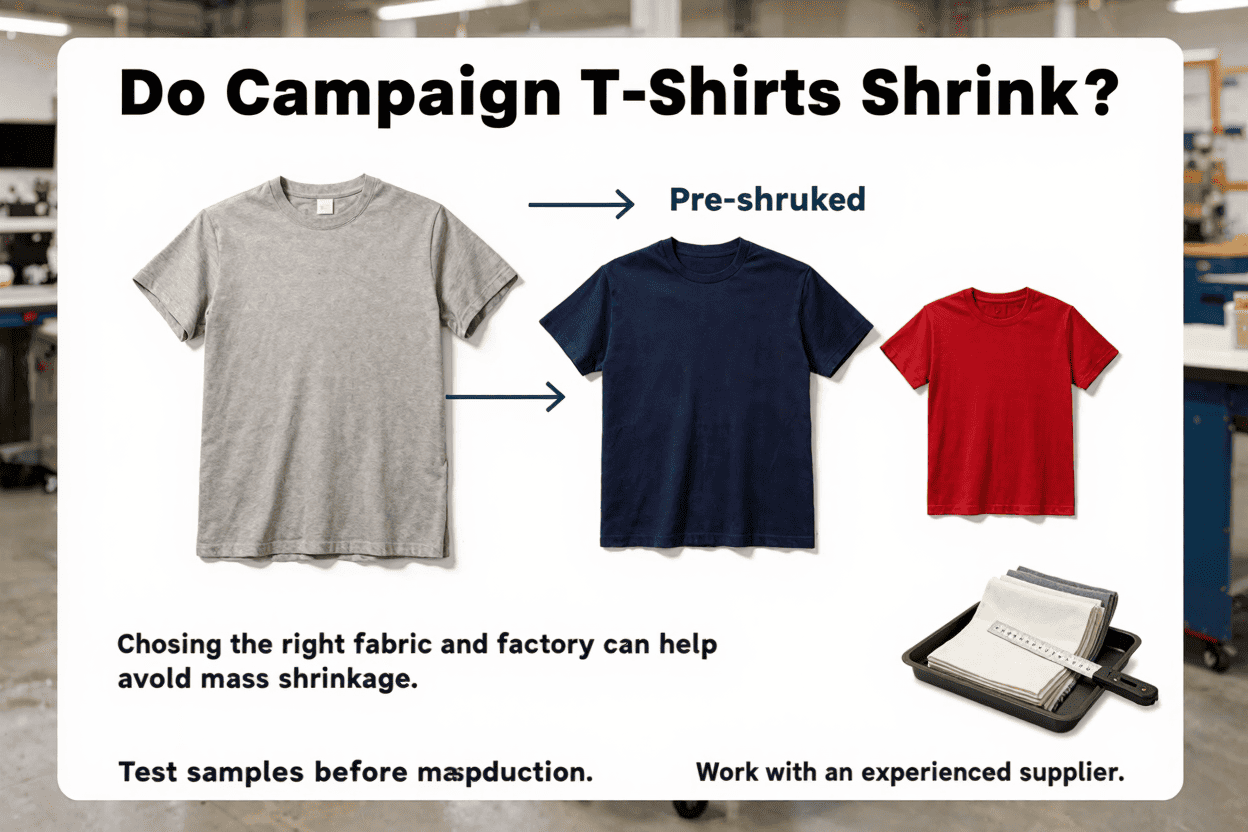
You can avoid shrinkage and other quality problems by picking the right fabric, using pre-shrunk materials, testing samples, and working with an experienced supplier.
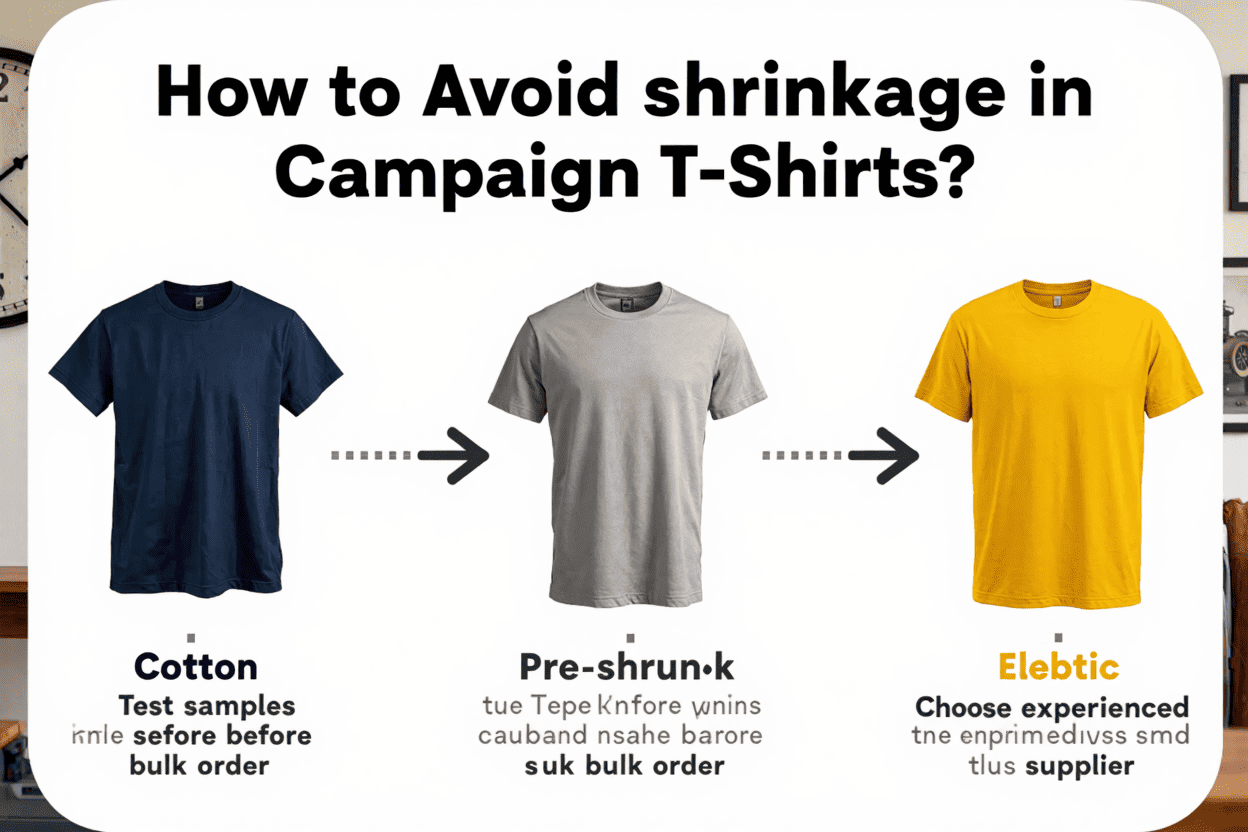
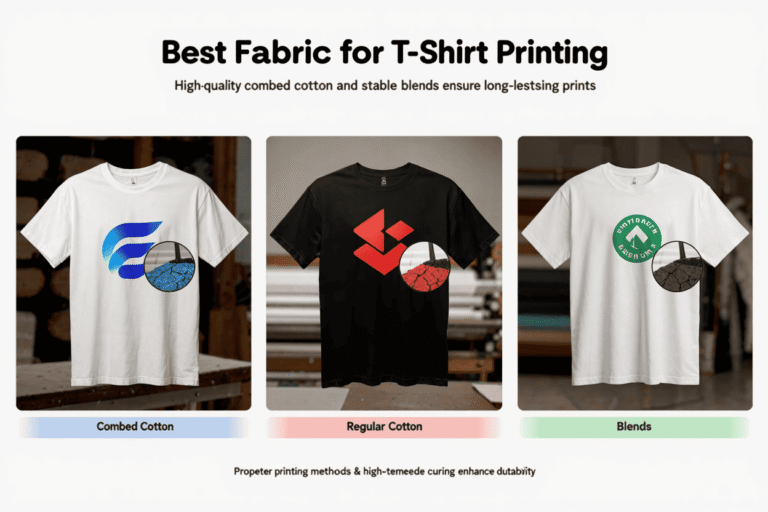
There are a few things every buyer should keep in mind. First, not all T-shirt fabrics behave the same way. Pure cotton T-shirts are comfortable and widely used, but they shrink more after washing—especially if the fabric is not pre-shrunk. Polyester and blends, such as cotton-polyester, are much more stable and resist shrinking. For example, if you choose a T-shirt made from 100% polyester, you can expect almost no shrinkage. Cotton-polyester blended fabrics are a good middle ground, offering more stability than pure cotton and still feeling soft.
Here is a simple table to show how different fabrics behave after washing:
| Fabric Type | Shrinkage Risk | Comfort Level | Typical Use |
|---|---|---|---|
| 100% Cotton | High | High | Premium, soft shirts |
| Cotton-Polyester Blend | Medium | Medium | Campaign, promo use |
| 100% Polyester | Low | Medium | Sports, mass promo |
| Recycled Polyester | Very Low | Medium | Eco-friendly campaigns |
Besides fabric choice, the garment’s weight matters. Heavier fabrics (measured as GSM, or grams per square meter) tend to be more stable, but even thick cotton shirts can shrink without pre-shrinking treatment. I recommend keeping campaign shirts between 160–180 GSM for a good balance of weight and stability.
Pre-shrunk fabric is always safer. Ask your supplier if the cotton fabric has been pre-shrunk. If not, sample testing is your best friend. Insist on washing and drying a sample before placing a big order. You should also ask the factory to test the fabric before production. Good suppliers will not mind and will share the results.
Another factor is the production process. Low-cost shirts are more likely to use cheaper fabric and shortcuts in processing. The risk of shrinkage is much higher. You should never pick a supplier based on price alone. If you are not sure about a factory’s experience, check their track record with similar projects.
Washing instructions help too. Make sure the wash label clearly says how to wash and dry the shirt. High heat during washing or tumble drying makes shrinkage worse, especially for cotton shirts. If you remind users to wash in cold water and avoid hot dryers, shrinkage will be less noticeable.
Finally, always do a sample run. This is the only way to see how the exact T-shirt will perform. I always encourage my clients to test samples and even do a “shrinkage test” if they are using cotton or blends. This gives peace of mind before mass production.
Here are my main steps to avoid shrinkage and other quality issues:
- Choose pre-shrunk or stable fabrics (polyester or blends when possible).
- Keep GSM in the reasonable range (160–180 GSM).
- Ask the factory to test the material and share results.
- Never use the cheapest materials for large quantity orders.
- Always do sample testing before finalizing the order.
- Print clear wash care instructions on the label.
- Work with an experienced factory.
If you follow these steps, you will avoid most common T-shirt quality problems, including shrinkage.
Conclusion
Most campaign T-shirts shrink mainly due to fabric and processing. Choose stable materials, do sample testing, and work with good suppliers to avoid problems.