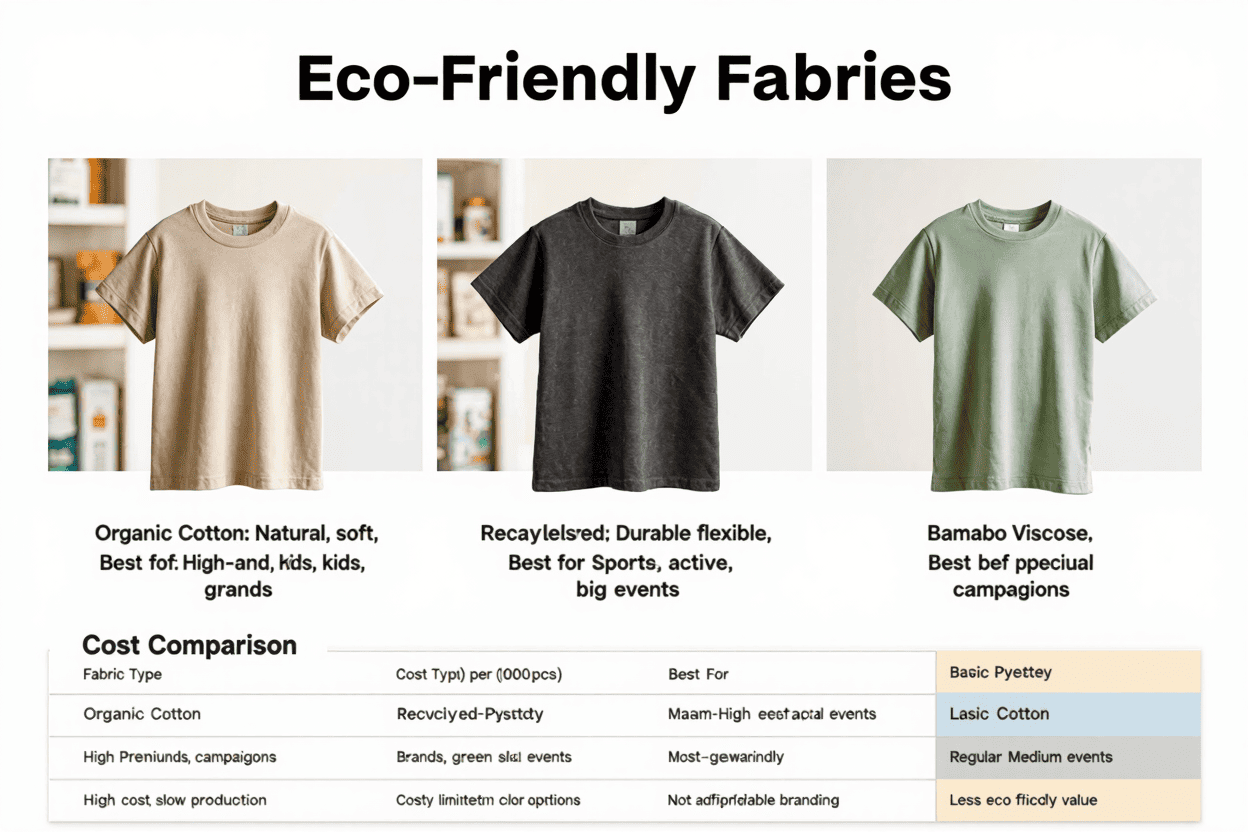
Eco-friendly fabrics are gaining attention. Many brands use them to stand out. Are sustainable materials really a good choice for your next campaign or business project?
Eco-friendly fabrics are a strong option when you want to build a responsible brand or appeal to markets that care about sustainability. They can match the quality of conventional fabrics but may cost more.
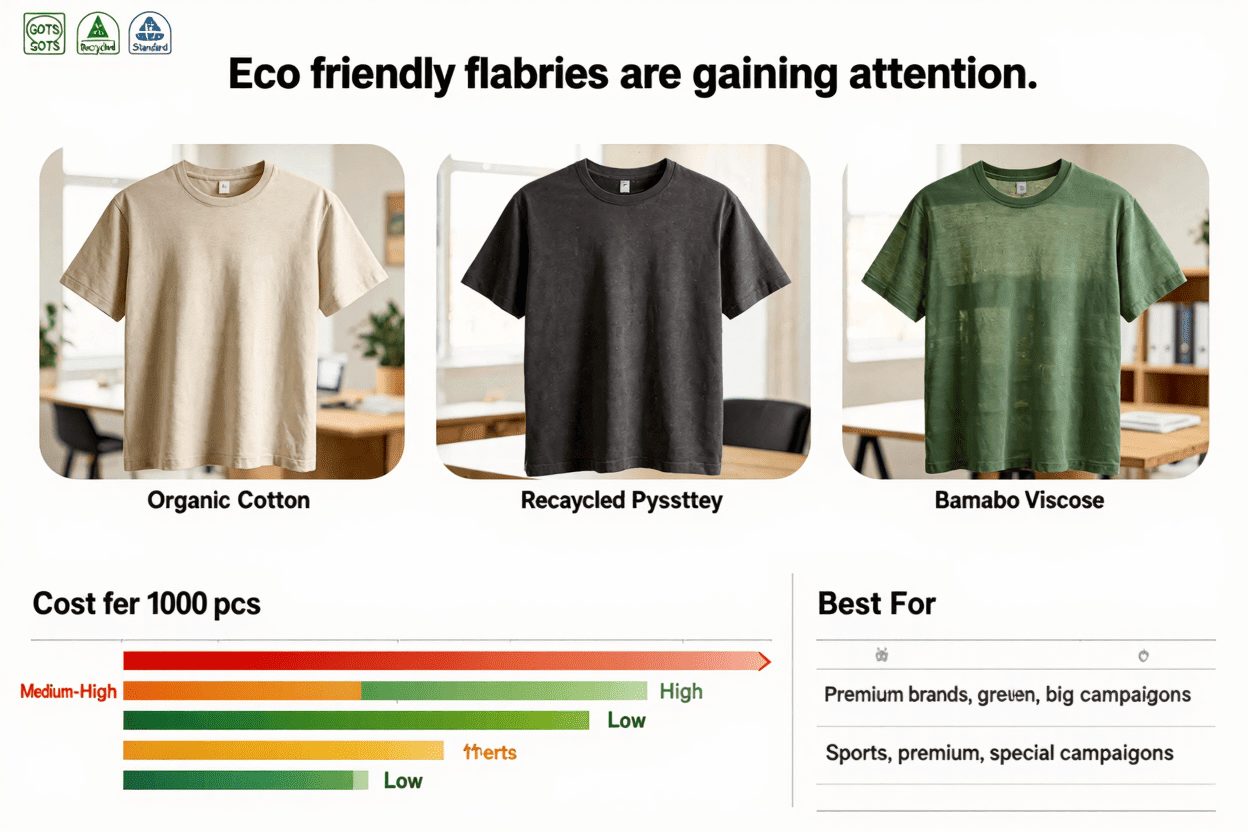
Eco-friendly materials are everywhere now. You can see more brands using them as their selling point. They want to be different. Customers notice this. In my experience, when I talk to clients in Europe or North America, I find that they often ask about sustainable options. Some even make this a key requirement. If you want your brand to grow over the long run, this is a plus. It builds trust and reputation. But not every eco fabric works for every job. Some are too expensive or not suitable for big, low-cost orders. So, is it worth paying extra? Let's look at the details.
Worth the extra cost?
Eco-friendly materials usually come with a higher price. For many buyers, cost is a big issue. Is the extra spending justified?
Eco-friendly fabrics cost more due to raw materials and certifications. For premium customers, this makes sense. For budget projects, think carefully before choosing.
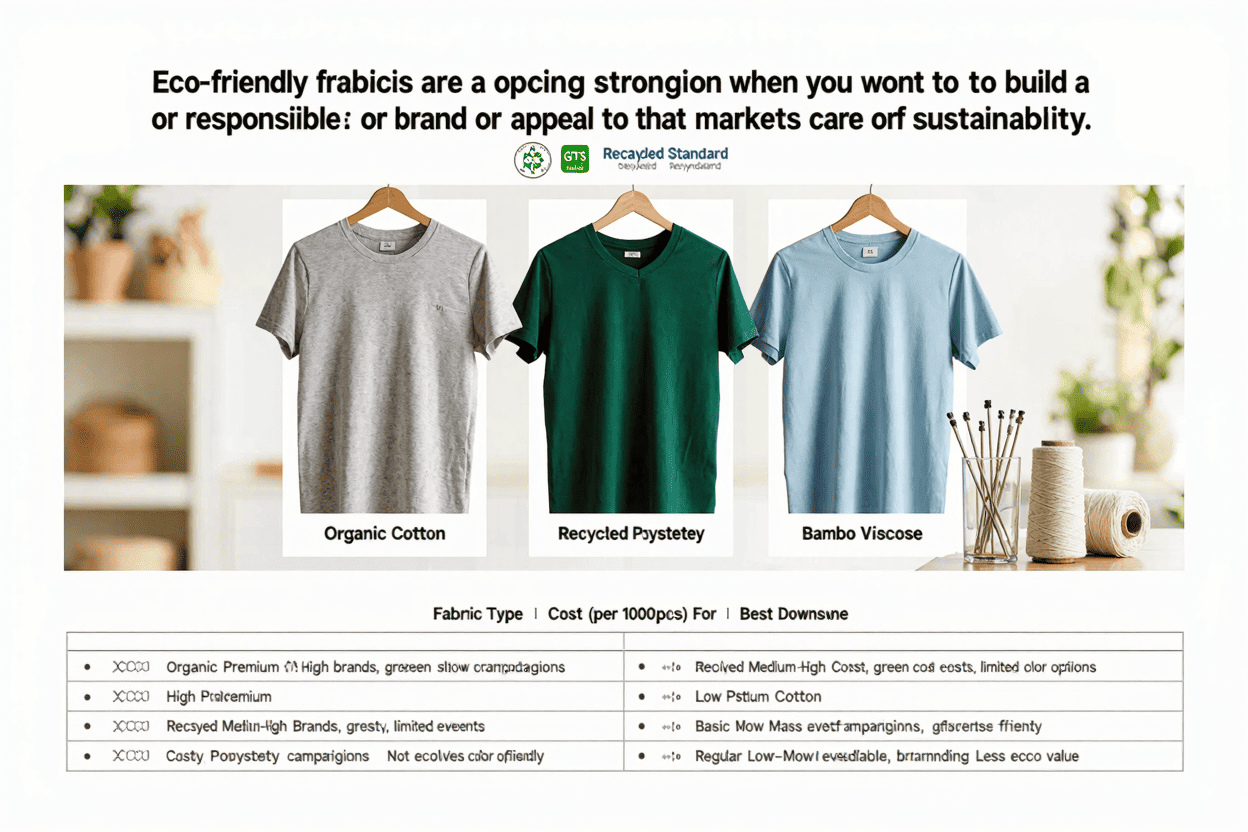
I have seen the cost difference firsthand. Organic cotton or recycled polyester are popular choices. They look and feel great. They work well for printing and embroidery. But they are not cheap. The extra cost comes from the way the fibers are sourced and processed. Factories must keep these materials separate, which adds more steps. Then there are certificates like GOTS or Recycled Standard. These are not free. When I quote for high-end customers or private label brands, they often accept the higher cost. They want to tell a story about their products. Sometimes, they even show the certificates to their buyers.
But if you work on a political campaign or a large event, price is sensitive. I have handled orders where every cent matters. For bulk orders, a small premium per piece adds up quickly. If the main goal is to cover as many people as possible, classic polyester or basic cotton may be the better fit. Here is a simple breakdown:
| Fabric Type | Cost (per 1000 pcs) | Best For | Downside |
|---|---|---|---|
| Organic Cotton | High | Premium brands, green campaigns | High cost, slow production |
| Recycled Polyester | Medium-High | Brands, green events | Costly, limited color options |
| Basic Polyester | Low | Mass campaigns, giveaways | Not eco-friendly |
| Regular Cotton | Low-Medium | Most events, affordable branding | Less eco value |
In my opinion, if your audience expects eco values or your brand depends on being responsible, the cost is worth it. For price-driven projects, especially massive giveaways, the extra budget may not bring enough value.
How do eco-friendly fabrics perform compared to regular fabrics?
Eco-friendly options like organic cotton or recycled polyester are almost as good as traditional fabrics for most uses. Some match or even beat standard options in softness and durability.
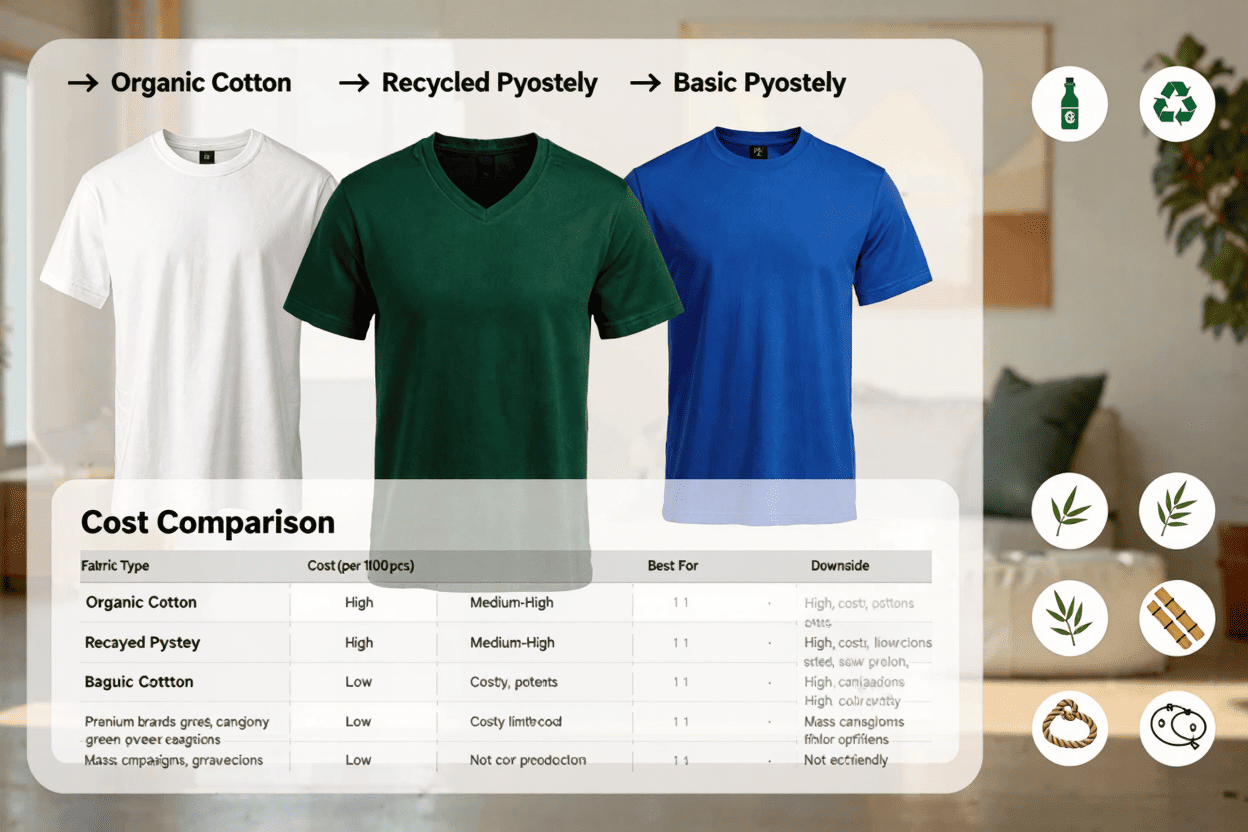
When I first started offering eco-friendly shirts, I worried about performance. Would they hold up in the wash? Would the print stick? Years ago, there were problems with shrinkage or roughness. Now, most eco-fabrics have caught up. Good organic cotton is soft and takes print well. Recycled polyester is sturdy and smooth, good for activewear and branding. Some blends, like cotton-poly recycled mixes, balance feel and price. When we run production for premium clients, we test samples side-by-side. The differences have shrunk.
Still, not every eco option fits all jobs. Some special finishes or colors may not be possible with certain sustainable fabrics. Lead times can be longer, since sourcing takes time. For big urgent campaigns, this may be an issue. But for most brand-building uses, you get top performance and a positive story to tell your customers.
Which eco-friendly fabrics are the most common and what are their strengths?
Organic cotton and recycled polyester are the most used sustainable fabrics in campaign and promotional T-shirts. Each has special advantages.
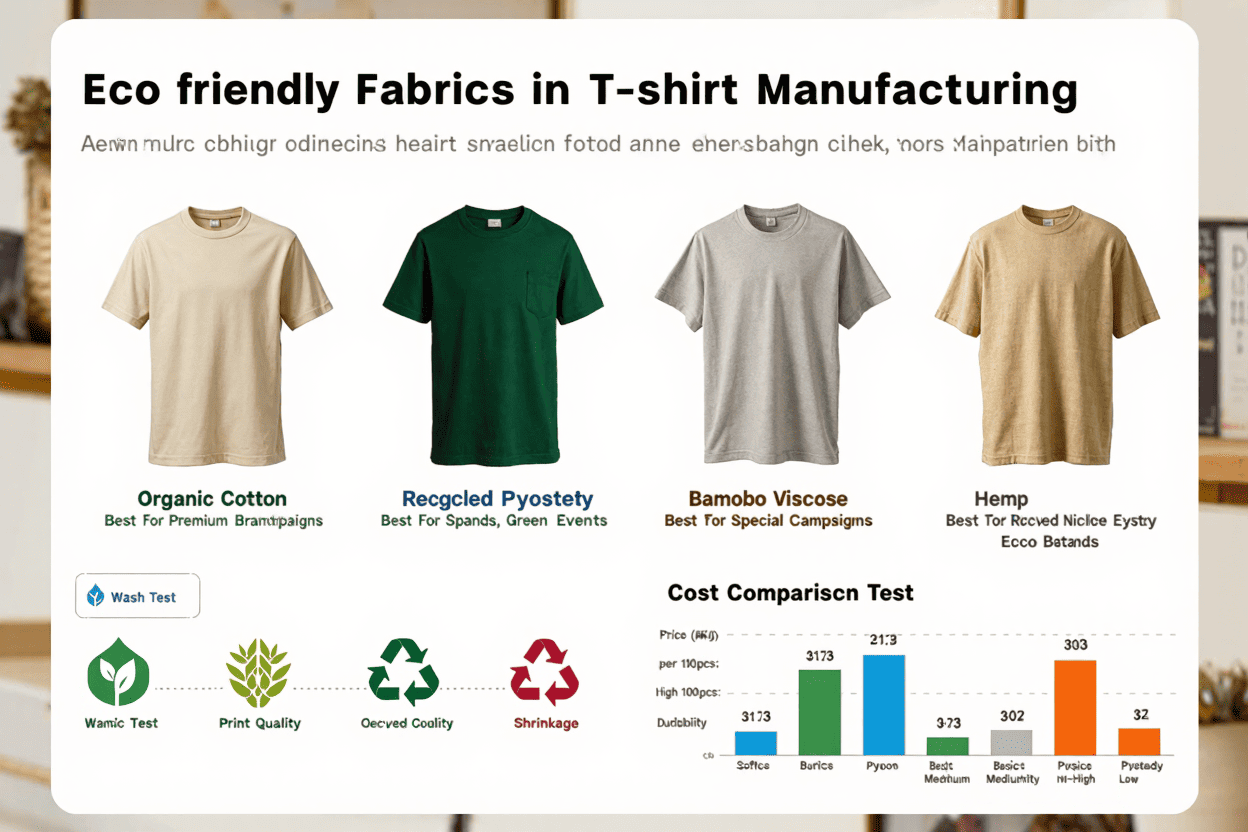
When clients ask about eco options, I usually recommend organic cotton or recycled polyester. Here is a quick guide:
| Fabric | Main Advantage | Typical Use | Note |
|---|---|---|---|
| Organic Cotton | Natural, soft, safe | High-end, kids, green brands | Certified, pricier, slower output |
| Recycled Polyester | Durable, flexible | Sports, active, big events | Sourced from bottles/yarn |
| Bamboo Viscose | Soft, eco appeal | Premium, special campaigns | Needs careful sourcing |
| Hemp | Strong, unique look | Niche, eco-advocacy brands | Harder to source, rougher feel |
Organic cotton is grown without harmful chemicals. It feels gentle on the skin and is ideal for private label customers who want the best. Recycled polyester starts as old bottles or waste. It is strong and perfect for large orders where you still want a green story. Sometimes, brands want bamboo or hemp for niche appeal, but these are less common and may have longer lead times.
When should a business choose eco-friendly fabrics?
Choose eco-friendly options when your brand image, customer demand, or long-term goals need it. For fast, low-cost campaigns, think about the price and real impact.
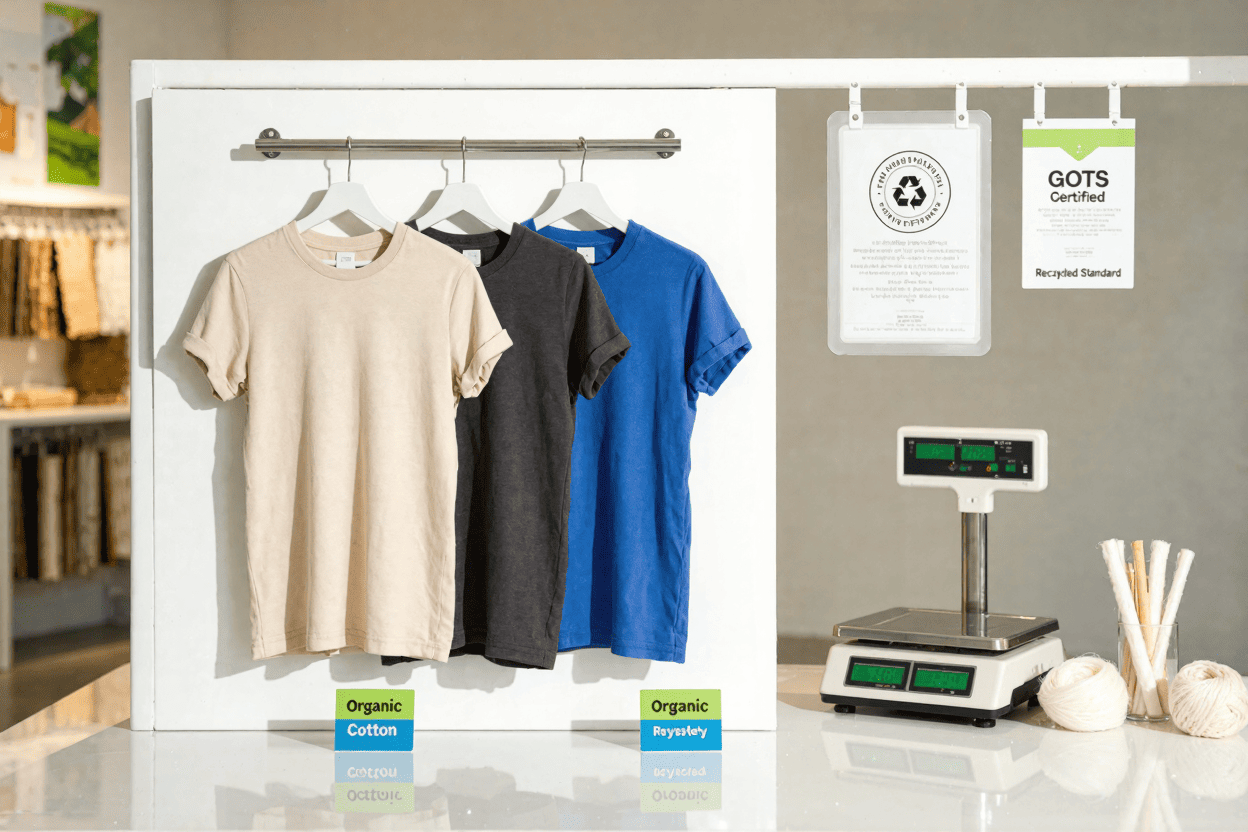
I always talk to clients about their goals before recommending a fabric. If you sell to Western countries, eco claims can help close the deal. If your campaign wants to send a message about caring for the earth, go green. For long-term brand building, even a small investment in eco materials is a positive. I have seen brands win repeat customers by doing this. But for one-off events, like quick political campaigns or mass handouts, you need to ask if the extra spend will pay off.
The key question is: Who is your audience and what do they value? If they care about eco, pay the premium. If not, stick with the basics and focus on getting your message out. Here is a checklist:
- Is brand image your top concern?
- Are you selling in markets where eco matters?
- Do you want your product to stand out?
- Is your budget flexible for a higher cost?
- Can you wait for longer production times?
If you answer yes to most, eco-fabrics are a wise choice.
Conclusion
Eco-friendly fabrics are a strong choice for building brand value, but they come with higher costs. Choose them when brand image and market trends make it worth the investment.