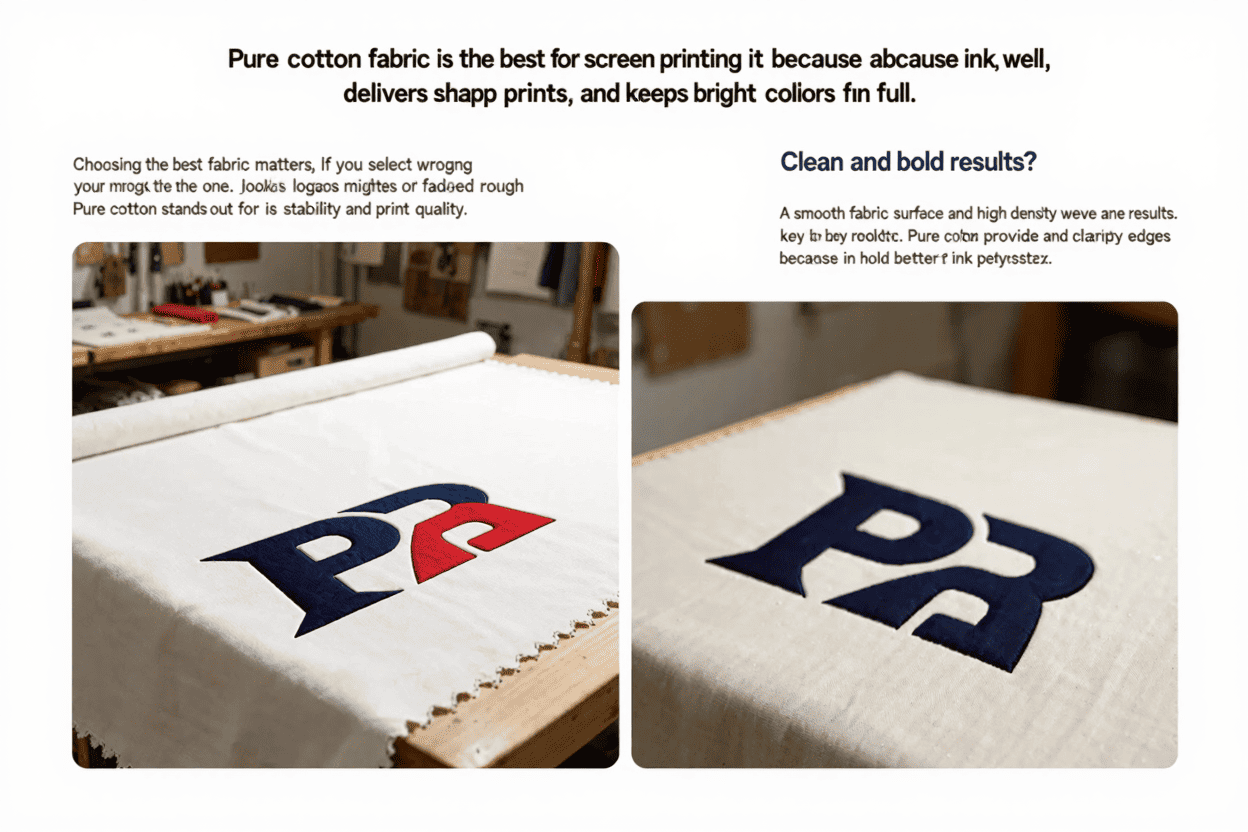
Many people worry that screen printing may not produce clear and vibrant designs. They wonder if the fabric choice makes a big difference.
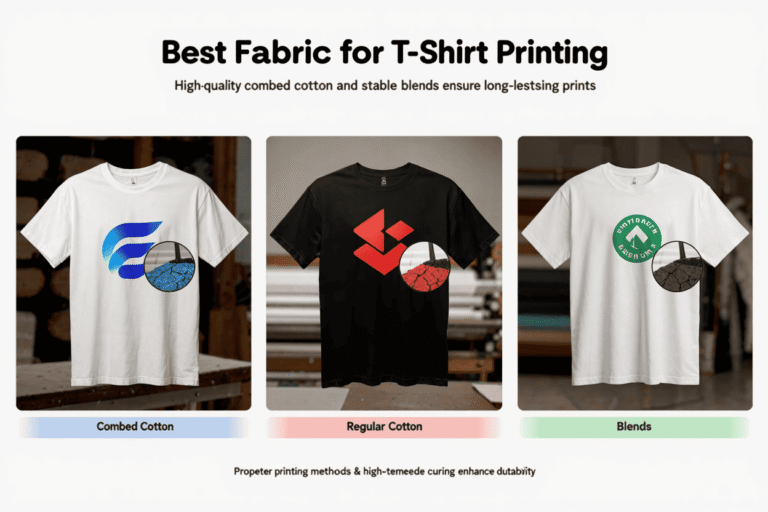
Pure cotton fabric is the best for screen printing because it absorbs ink well, delivers sharp prints, and keeps colors bright and full.
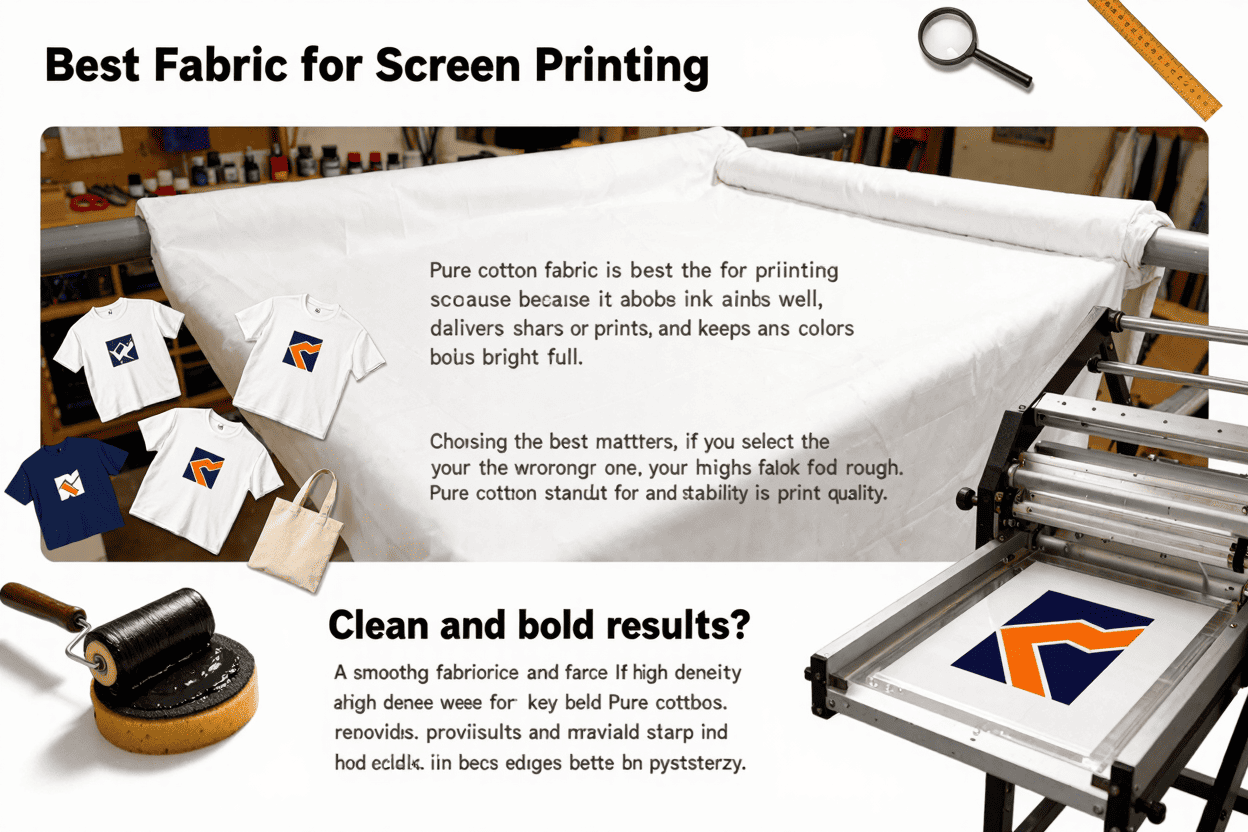
Choosing the best fabric matters. If you select the wrong one, your logos might look faded or rough. Pure cotton stands out for its stability and print quality. I have learned that the right fabric can save hours of troubleshooting and deliver results that clients love.
Clean and bold results?
Many designers want prints to look crisp and bold. They worry about blurry edges and dull colors, especially on large logos or detailed designs.
A smooth fabric surface and high density weave are key for bold results. Pure cotton provides clarity and sharp edges because it holds ink better than polyester.
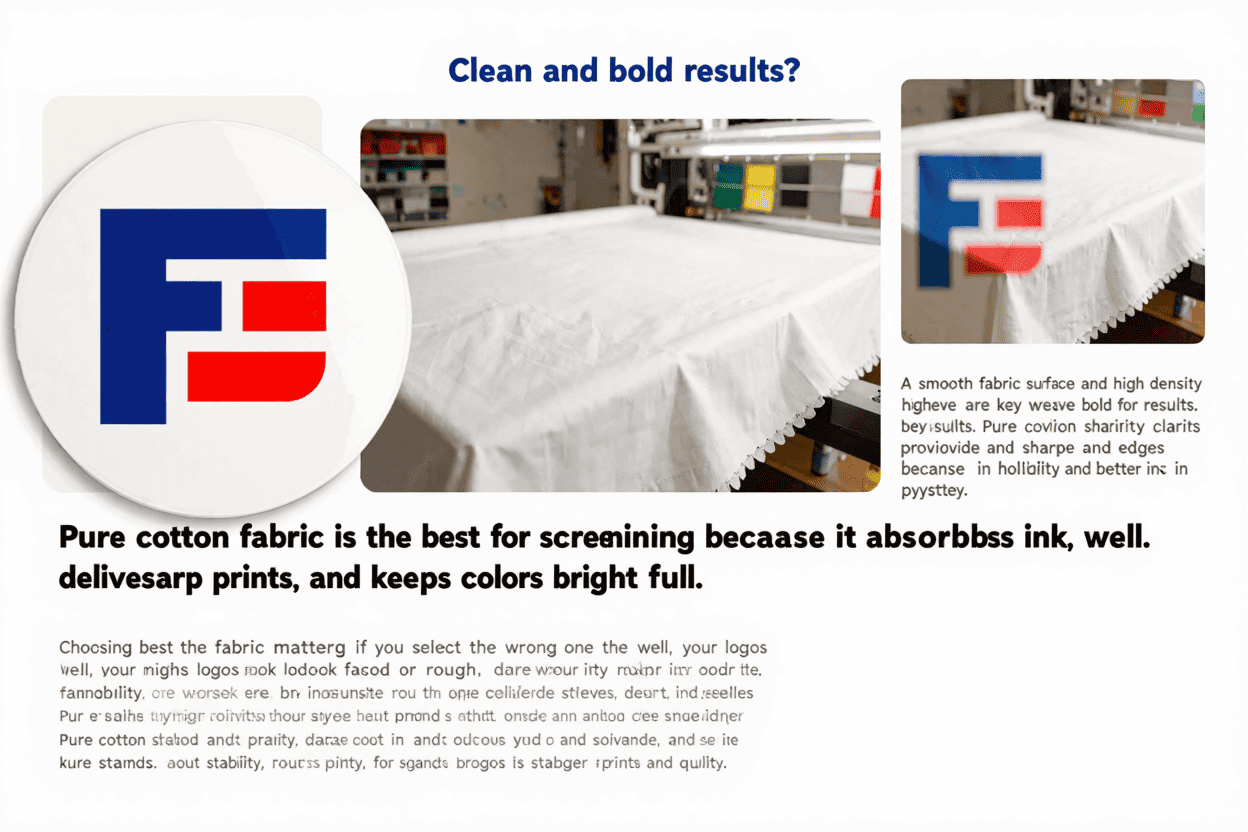
When I tested different fabrics for campaign T-shirts, I saw that surface structure makes a big difference. Cotton has a stable surface. This lets ink stick well and prevents spreading. With a density between 180–220gsm, cotton holds its shape and lets ink stay on top. Polyester spreads ink out more, which can make prints look fuzzy. High density helps reduce ink bleeding, so fine details remain clear.
If you use mixed fabrics, the result might not be as sharp. Ink does not always sit the same on polyester or other blends. For dark shirts, using a white base before adding color helps the design pop. Thickness matters too. Too much ink can cause cracking, too little can fade. The screen itself needs to be precise. When all these factors are right, prints look sharp and professional. For my clients who need big logos or want high-quality campaign shirts, pure cotton is always my first choice.
Factors That Affect Screen Printing Results
| Factor | Effect on Results | Recommendation |
|---|---|---|
| Fabric Material | Determines ink absorption and clarity | Pure cotton |
| Surface Smoothness | Keeps edges crisp | Flat, even surface |
| Weave Density | Reduces ink spread | High density (180–220gsm) |
| Ink Thickness | Impacts color and durability | Controlled thickness |
| Screen Precision | Keeps details sharp | High-resolution screens |
| Base Layer (for dark) | Brightens top colors | White underlay for dark fabric |
| Blend Ratio | May blur details | 100% cotton preferred |
How Cotton Improves Screen Printing
Cotton lets ink soak in evenly. The surface is smooth, which helps keep lines sharp. When I use pure cotton, colors look clearer and do not fade quickly. For campaign orders, this means the shirts last longer and look better, even after many washes. I noticed that, compared to polyester, cotton prints do not crack or peel as easily. Cotton is also better for complex designs. Even small text or fine lines come out clean. I recommend cotton for any client who needs high-impact, durable shirts.
Comparing Cotton vs. Polyester for Screen Printing
| Property | Cotton | Polyester |
|---|---|---|
| Ink Absorption | High | Low |
| Print Sharpness | Excellent | Moderate |
| Color Vibrancy | Full and bright | Can look faded |
| Crack Resistance | Very good | Fair |
| Durability | Long-lasting | Good, but less sharp |
| Complexity Support | Handles complex logos | Not ideal for details |
When I made samples for event organizers, polyester shirts often showed blurred edges. Cotton shirts, on the other hand, looked much cleaner and bold. For campaign buyers who expect a premium finish, cotton is unbeatable.
Choosing the Right Cotton for Screen Printing
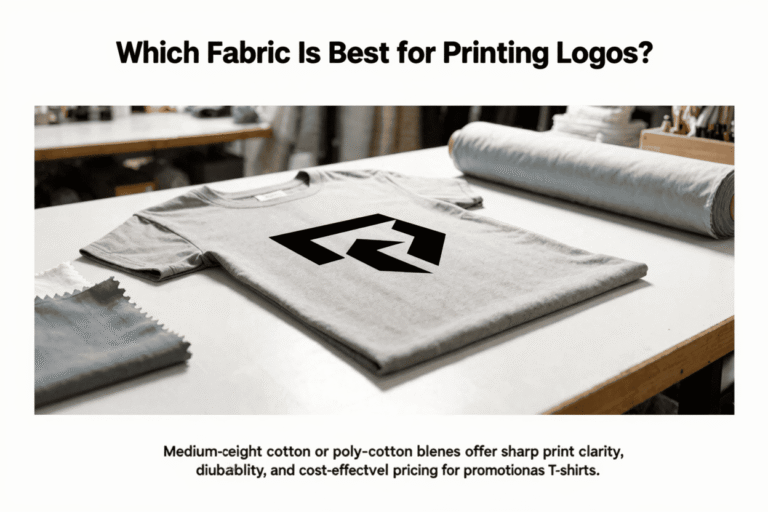
Not every cotton is good for printing. The best is medium-weight cotton, between 180–220gsm. This weight keeps shirts strong and helps ink stay on the surface. Thinner shirts wrinkle and let ink bleed. Thick shirts may crack if too much ink is used. I have seen that using the right cotton makes setup easier. Ink dries faster and prints stay consistent. I always suggest clients check the GSM when placing bulk orders. For private label brands, this makes a big difference in customer satisfaction.
Tips for Getting Clean Screen Printing Results
There are other things, besides fabric, that help with clean prints. The screen must be accurate. The ink thickness must be just right. If you print on dark fabric, always use a white base layer. Mixed fabrics can work but may not be as clean as pure cotton. I found that close attention to these details helps avoid problems like cracking and fading.
Conclusion
Pure cotton fabric is the best choice for screen printing. It gives sharp, bold results and keeps colors bright for campaign and promotional shirts.