Lightweight T-shirts are everywhere. Many people think they are cheap, but are they really better for your needs?
Lightweight T-shirts usually mean shirts made from lower-weight fabrics. They are more comfortable for long events and hot weather, and cost less to produce in bulk. Lightweight shirts work well for short-term use, but they may not feel as premium or last as long as heavier shirts.

I have found that choosing the right T-shirt is not just about the price. It is about delivering comfort, managing quality, and making sure the shirt fits the event. Let’s look closer at why lightweight T-shirts may or may not be the best option.
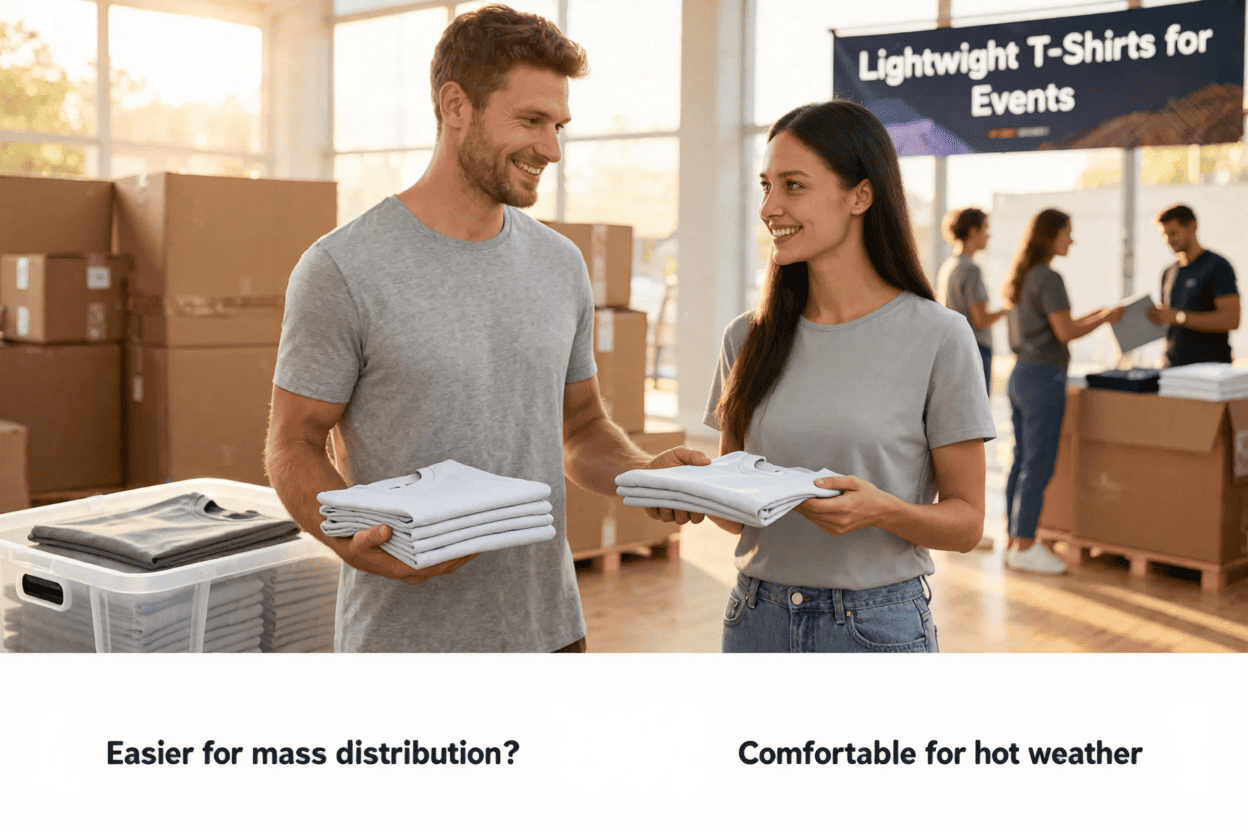
Easier for mass distribution?
Lightweight T-shirts are easier to move, pack, and hand out for big events than heavier shirts.
Lightweight T-shirts are ideal for large-scale distribution because their lower fabric weight reduces shipping costs, increases packing efficiency, and makes them comfortable for participants in hot environments.

When I work on large campaigns or events, I always think about how every box and shipment affects cost and timing. Lightweight shirts are usually made with lower GSM (grams per square meter), so every shirt is lighter. One box of shirts can hold more pieces, which means fewer shipments and lower freight costs. This makes a big difference when distributing tens of thousands of pieces.
Here is a simple table to show the key differences between lightweight and heavier T-shirts for big events:
| Feature | Lightweight T-Shirts | Heavier T-Shirts |
|---|---|---|
| Shipping Cost | Lower | Higher |
| Packing Volume | Smaller | Larger |
| Distribution | Easier, faster | Slower, bulkier |
| Comfort in Heat | Higher | Lower |
| Cost per Piece | Lower | Higher |
| Perceived Quality | Moderate | Higher |
| Durability | Lower | Higher |
Most people receiving a free or campaign shirt want something that feels good in the heat, is easy to wear, and does not feel heavy. They do not expect the shirt to last for years. Lightweight shirts suit this need well. As an OEM supplier, I get many requests for lightweight shirts for marathons, rallies, or election campaigns. Organizers want to distribute thousands of shirts quickly and keep the budget under control.
There are trade-offs. If the shirt is too thin, it might look see-through or feel “cheap.” For this reason, I always suggest a balance. Choose a fabric weight that is light but still has some substance—often in the 120-150gsm range for polyester. This keeps costs and logistics in check, while also avoiding a poor-quality impression.
In summary, for big events and fast distribution, lightweight T-shirts are simply easier and more efficient to manage.
Do lightweight T-shirts feel more comfortable?
In hot weather or during long activities, comfort matters.
Lightweight T-shirts made from thinner fabrics feel cooler and more comfortable for the wearer, especially during extended periods or in hot environments.

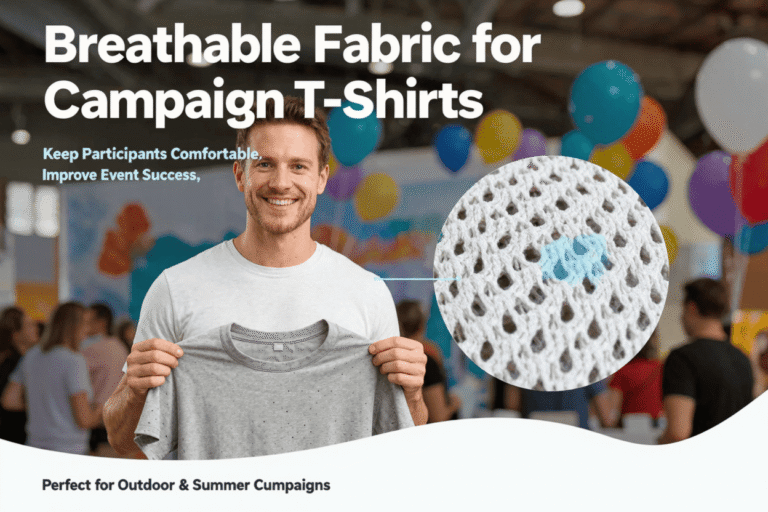
When I attend outdoor events or oversee T-shirt production, I notice that people pick up a shirt, touch it, and often check how breathable it feels. No one likes a heavy, sticky shirt when standing in the sun. Lightweight materials let more air flow through and do not cling to the skin. This is important for marathons, music festivals, or outdoor campaigns, where people are active and under the sun for hours.
Here’s a breakdown of why lightweight shirts are more comfortable:
Why Lightweight T-Shirts Feel Better in the Heat
| Feature | Lightweight T-Shirt | Heavyweight T-Shirt |
|---|---|---|
| Breathability | Higher | Lower |
| Quick Drying | Yes | Not as fast |
| Clinginess | Less | More |
| Weight on Body | Feels light | Feels heavy |
| Suitability for Activity | Very good | Less ideal |
I often share a personal tip with clients: if you expect your guests to wear the shirt throughout the event, go lighter. People will be happier and more likely to actually wear the shirt. If the weather is hot or humid, this is even more important. In fact, I’ve seen people take off heavier shirts and carry them instead of wearing them. That never happens with properly chosen lightweight shirts.
Are there any drawbacks to lightweight T-shirts?
A lighter shirt is not always better. There are downsides you should know.
Lightweight T-shirts may be less durable and might not look as premium as heavier shirts, which could affect their perception and longevity.
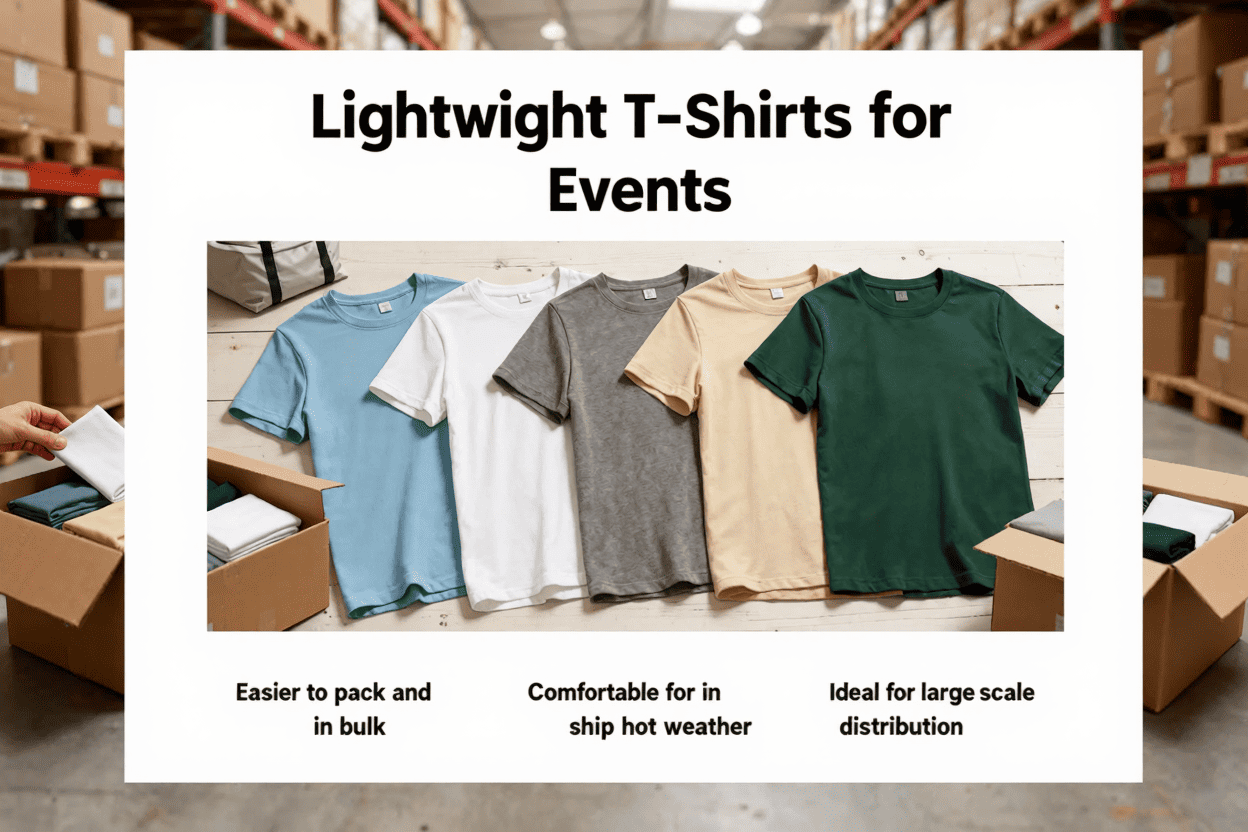
I have been asked many times if lightweight shirts will last as long as heavier ones. The answer is simple: usually, no. Thinner fabric can stretch or wear out faster, especially after multiple washes. If you pull too hard or catch it on something, it can tear more easily. Sometimes, if the fabric is too thin, it can look see-through, which some people do not like.
Here’s a table to compare the disadvantages:
Drawbacks of Lightweight T-Shirts
| Drawback | Lightweight T-Shirt | Heavyweight T-Shirt |
|---|---|---|
| Durability | Lower | Higher |
| Perceived Value | May feel “cheap” | Feels premium |
| Opacity | Can be see-through | Opaque |
| Texture | Less substantial | Feels thicker |
| Lasting Power | Short-term use | Long-term use |
The best answer is to match the shirt to the use. For a one-day event or short-term campaign, a lightweight shirt makes sense. If you want your shirt to be worn and remembered for years, choose a heavier, better-quality fabric. I often guide event planners to pick the middle ground: not too thin, not too heavy.
How do I find the right balance for my project?
You should consider cost, quality, event type, and what people will expect.
Choosing the right T-shirt means balancing your budget with the quality you want, keeping in mind how and where the shirts will be used.
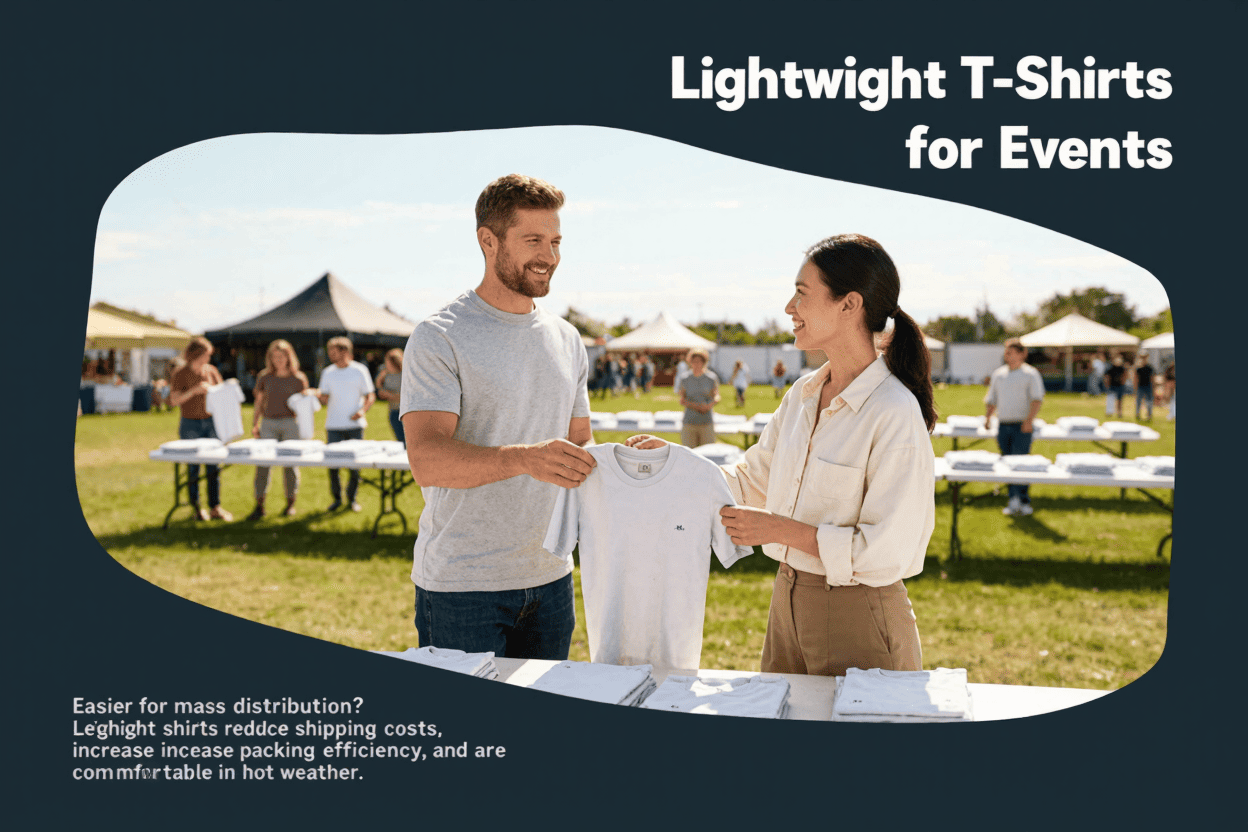
Every project is different. Sometimes, cost is the most important thing, especially for huge campaigns or giveaways. Other times, clients want the shirt to feel special and last longer. I always start by asking: Will the shirt be used just for one event, or do you want it to be worn later, too? Is the event in hot weather or inside? What is the image you want to give?
Let’s look at the factors to balance:
| Factor | Lightweight T-Shirt | Heavier T-Shirt |
|---|---|---|
| Cost | Lower | Higher |
| Comfort | Higher for heat/long wear | Good for cooler weather |
| Brand Image | May look simple | Looks premium |
| Durability | Less | More |
| Use Case | Short-term, mass events | Long-term, branded wear |
I share my own story with clients. For a marathon event, I chose a 130gsm polyester shirt. It was affordable, easy to print, and comfortable. For a corporate gift, I picked 180gsm. The result? Happy runners at the event, and happy staff wearing their shirts for months. It all comes down to what fits the purpose.
Conclusion
Lightweight T-shirts are best for mass events needing comfort and low cost, but you should balance fabric weight with durability and quality for the best outcome.