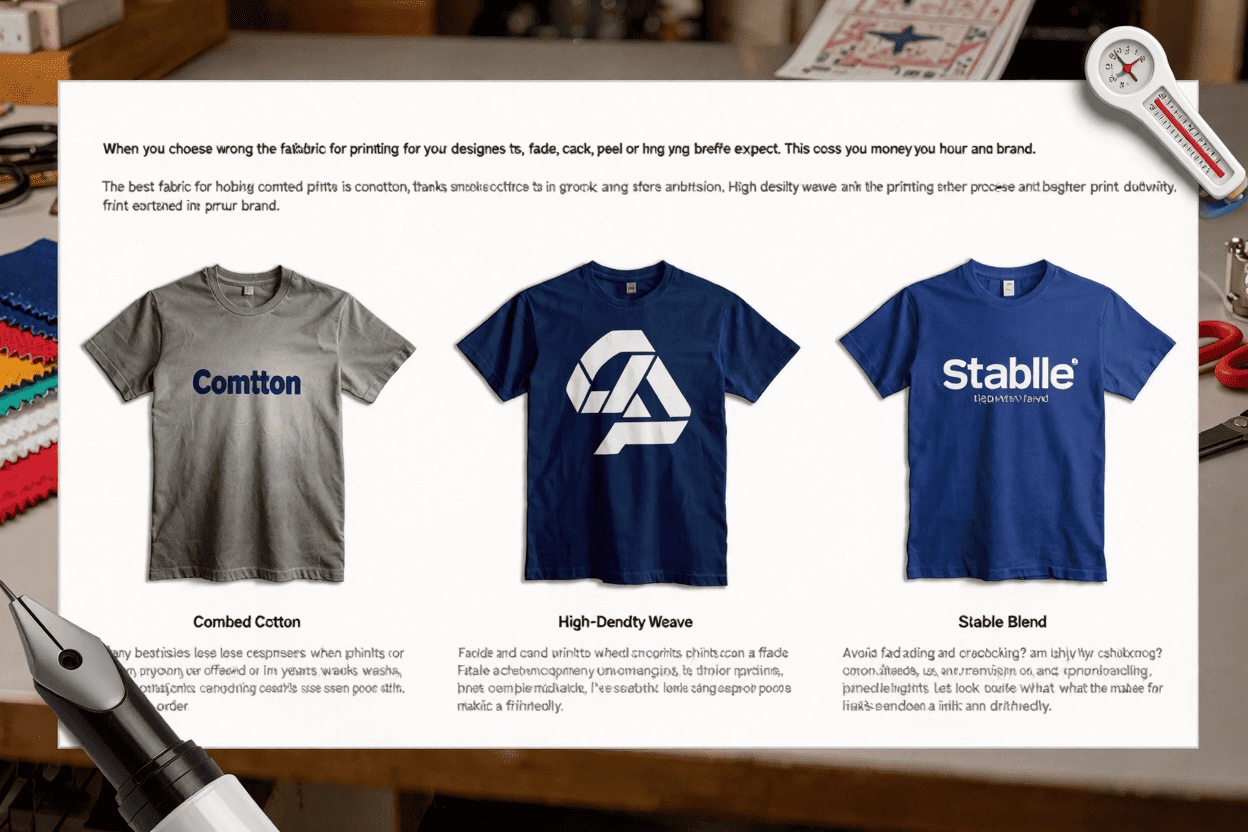
When you choose the wrong fabric for printing, your designs fade, crack, or peel long before you expect. This costs you money and hurts your brand.
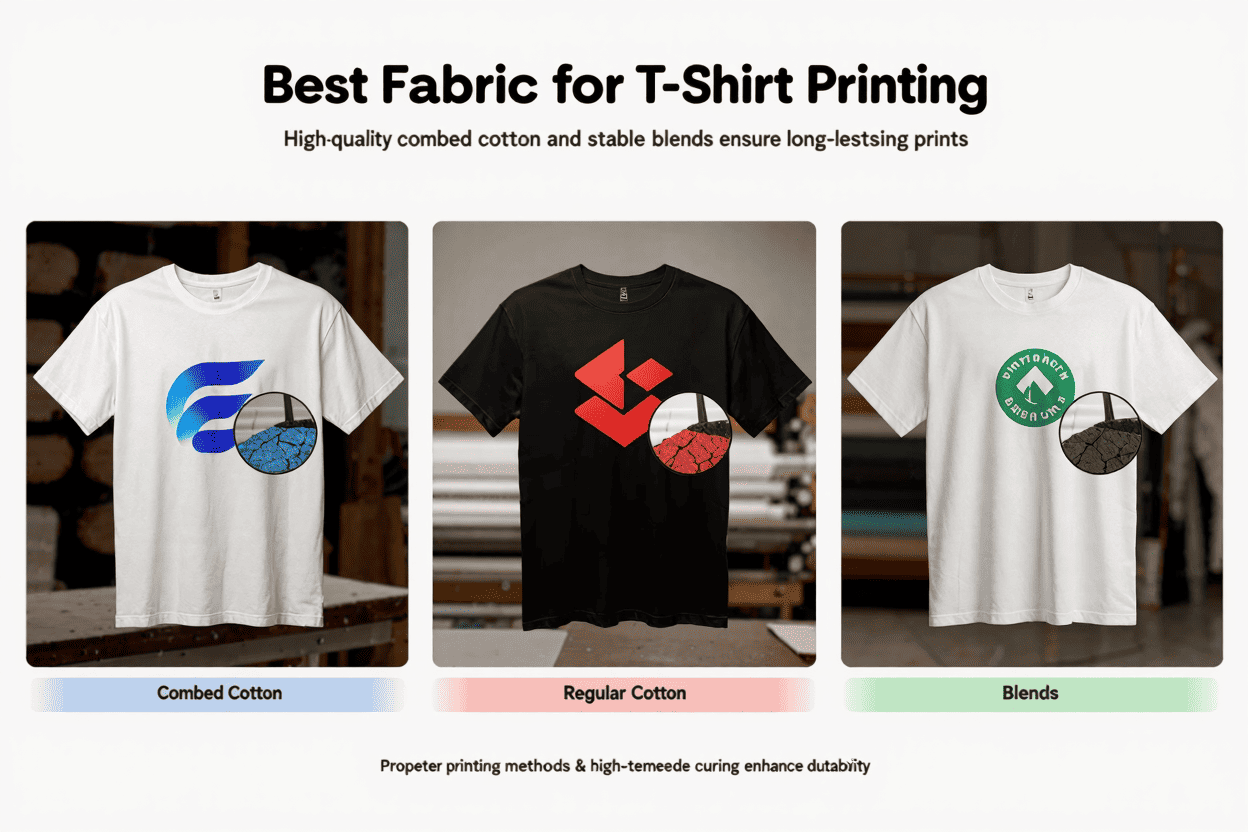
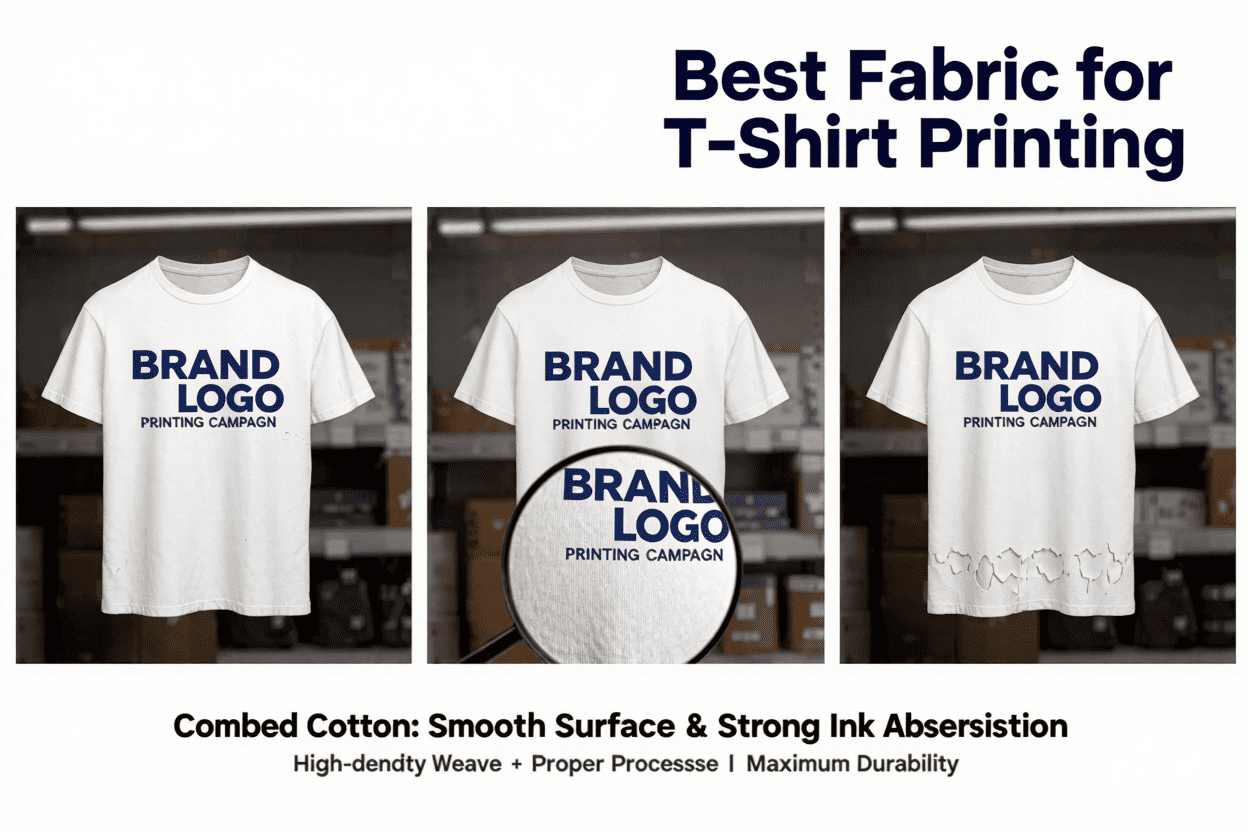
The best fabric for holding prints is combed cotton, thanks to its smooth surface and strong ink absorption. High-density weaves and the right printing process further extend print durability.
Many businesses lose repeat customers when their printed shirts fade or crack after a few washes. In my years working with promotional T-shirts, I’ve learned that fabric choice is the single biggest factor in print lifespan. Understanding which fabric to use, and why, can make or break your campaign’s reputation. Let’s look deeper at what makes a fabric truly print-friendly.
Avoid fading and cracking?
Faded and cracked prints can ruin a campaign shirt’s impact. I’ve seen brands lose credibility over a single poor-quality order.
To avoid fading and cracking, choose high-quality combed cotton or stable blends, use proper printing methods, and finish with high-temperature curing for maximum ink adhesion and durability.
Why does fabric quality matter for print durability?
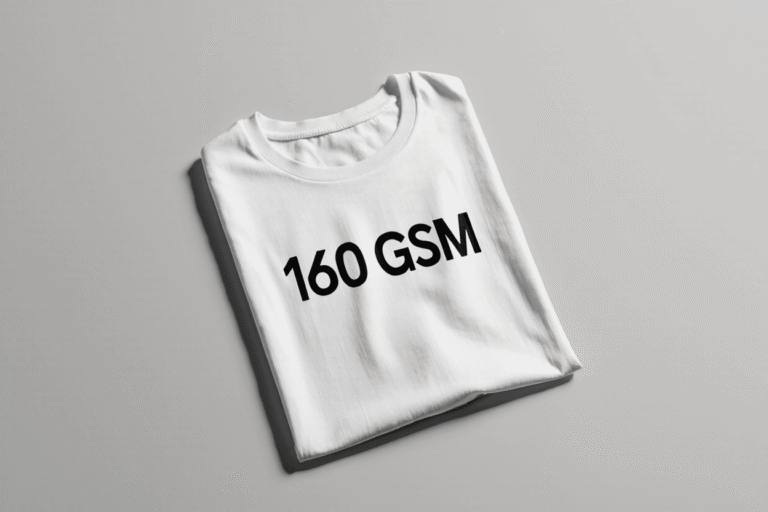
If you want your prints to last, you need to start with the right fabric. Pure cotton, especially combed cotton, offers a smooth surface so ink sticks better and stays vibrant longer. I always recommend fabrics with a weight between 160-220gsm. They provide enough density to hold the print, without becoming heavy or uncomfortable.
Polyester is a popular choice for heat transfer printing as it works well with sublimation inks. However, polyester does not absorb screen printing inks as strongly as cotton does. Hybrid fabrics, like cotton-poly blends, give you a good balance between cost and printing stability.
Here’s how fabric types compare for print durability:
| Fabric Type | Print Method | Durability | Pros | Cons |
|---|---|---|---|---|
| Combed Cotton | Screen Printing | Excellent | Smooth, strong adhesion | Higher cost |
| Regular Cotton | Screen Printing | Very Good | Good ink absorption | May pill after washing |
| Polyester | Heat Transfer | Good | Bright colors, flexible | Weaker with screen printing |
| Cotton-Poly Blend | Both | Good | Cost-effective, balanced | Slightly less vibrant print |
| Low-Density Fabrics | Any | Poor | Cheap | Fades, cracks quickly |
No matter which fabric you pick, avoid ones that are too thin or loosely woven. The ink can bleed through or the print can break after only a few washes. Cheap fabric is never a good deal if you want your design to last.
How do printing method and curing affect print life?
Picking the right fabric is the first step. The next is matching it with the right print process. For combed cotton, screen printing is the top choice. The ink soaks into the fibers and forms a bond that resists cracking and fading.
For polyester, heat transfer or sublimation printing works best. The ink penetrates the synthetic fibers and produces vivid, long-lasting images. However, if you use the wrong ink or skip the curing step, prints will peel and fade quickly.
Curing, or setting the ink with high heat, is especially important. I never skip this step. Curing at the right temperature makes sure the ink bonds tightly to the fabric. This is what keeps your prints looking new after dozens of washes. If you use poor quality ink or rush the curing, even the best fabric can’t save you from faded, fragile prints.
How can you ensure longevity for your printed shirts?
Most campaign shirts fail because people overlook simple factors during production. Even good fabric can underperform if you cut corners elsewhere.
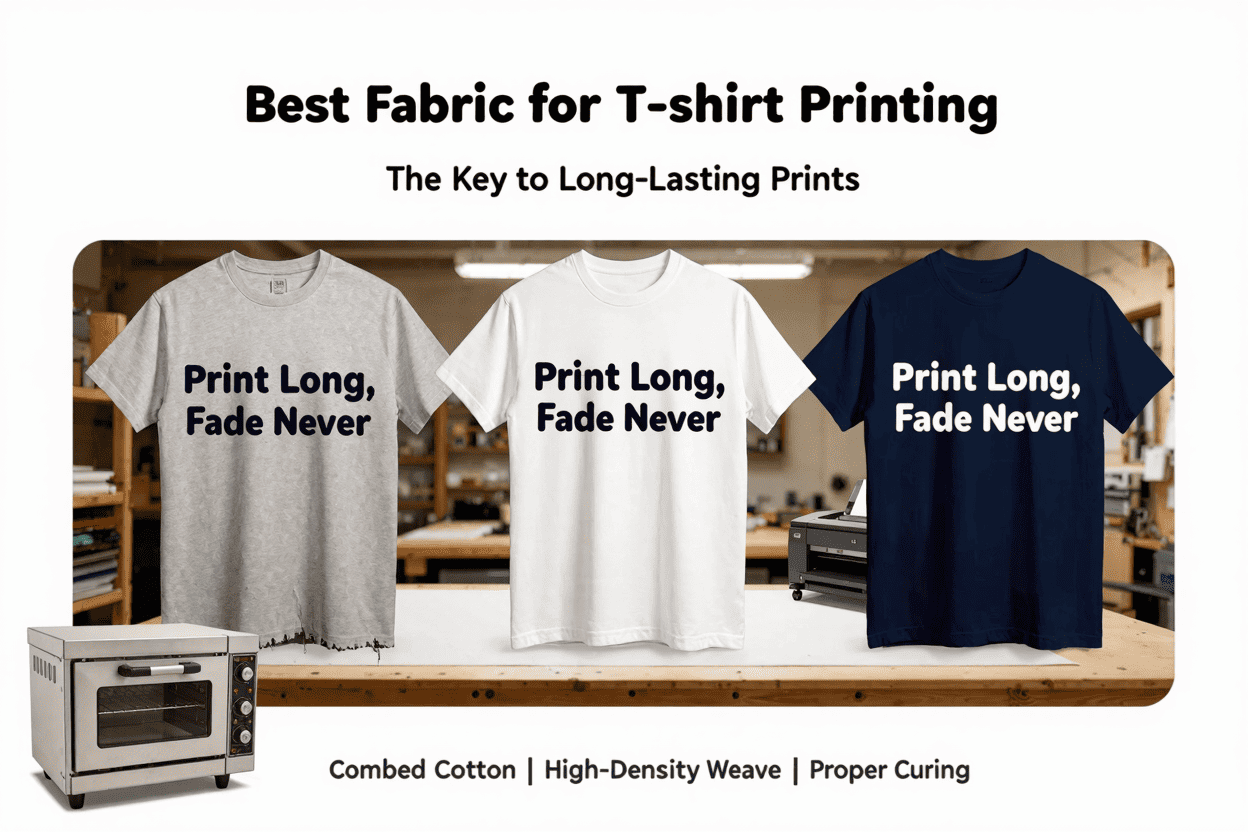
To ensure longevity, always use high-density, quality fabric, control print and curing processes, avoid overstretching material, and wash gently to keep prints intact.
What are the key steps for durable prints?
From my experience, the whole production flow must be controlled tightly. Here are the must-follow steps to keep your prints bright and crack-free:
1. Fabric Selection
Choose combed cotton or a stable blend with weight between 160-220gsm. Check for tight weaves and avoid thin, loose fabrics.
2. Printing Process
Match your method to your fabric. Use screen printing for cotton and heat transfer for polyester. Always use the ink best suited to your chosen fabric.
3. Ink and Equipment Quality
Use high-quality inks for deeper color and stronger bonds. Low-grade ink fades and cracks quickly. Regularly check and maintain your printing equipment for consistent results.
4. Curing and Fixing
Cure all prints at the recommended temperature and time. This locks the ink into the fibers and greatly improves wash resistance.
5. Handling and Packing
Don’t stretch or fold prints until they have cooled and set completely. Use proper polybags and cartons for shipping to avoid rubbing and abrasion.
6. Washing and Care
Tell your customers to wash shirts inside out in cold water, avoid bleach, and never use high heat when drying. Gentle care keeps prints looking bright for longer.
| Step | What to Do | Why It Matters |
|---|---|---|
| Fabric Selection | Choose quality, right weight & weave | Better ink adhesion |
| Print Process | Match method to fabric/ink | Stronger, lasting print |
| Ink Quality | Use premium, fabric-specific inks | Less fading, clearer image |
| Curing | Proper time and temperature | Prevents cracking/peeling |
| Handling | Careful folding/packing after curing | No premature damage |
| Washing Instructions | Advise gentle washing and drying | Extends print life |
Even a simple checklist like this can help you avoid costly mistakes and ensure your customers are happy long after their first wear.
Conclusion
Picking the right fabric and using careful processes is the key to bright, long-lasting prints that keep your brand’s image strong.