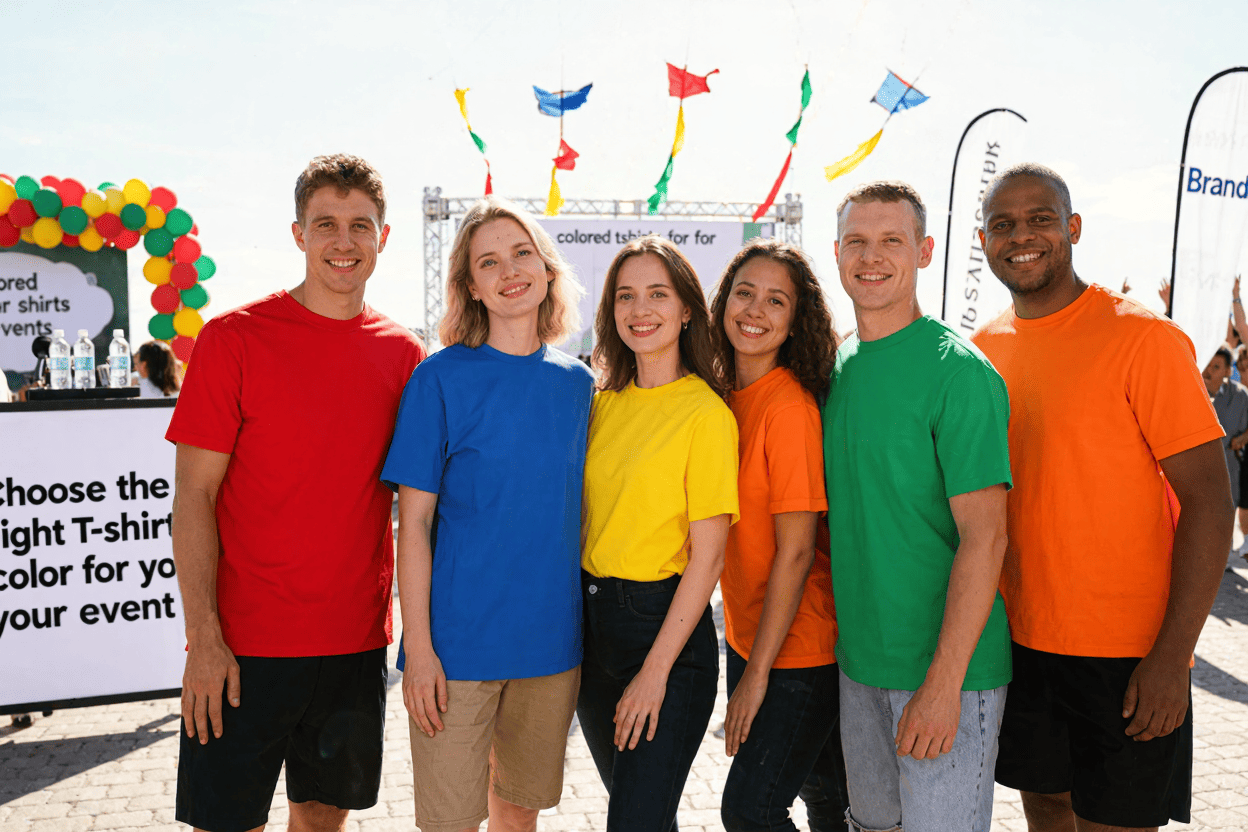
Standing out in a crowd is not easy. You want your T-shirt to grab attention, but you also need it to fit your event and your budget.
Colored T-shirts often work better than plain ones because bright colors stand out, communicate messages, and match event themes. But the best choice depends on your goals, branding, and cost.
Choosing the right T-shirt color is a decision that can impact your event’s visibility and your brand’s message. In my experience, color can make a promotional shirt pop at outdoor events, while sometimes a neutral shade is what the occasion calls for. Let’s look at how colors change results.
How to choose the right color?
Choosing a T-shirt color can feel overwhelming. Pick the wrong shade, and your message might get lost or your group could look mismatched.
To choose the right color, start with your event’s theme and your brand identity. Ensure the shirt color creates clear contrast with your logo and is suitable for your audience and environment.
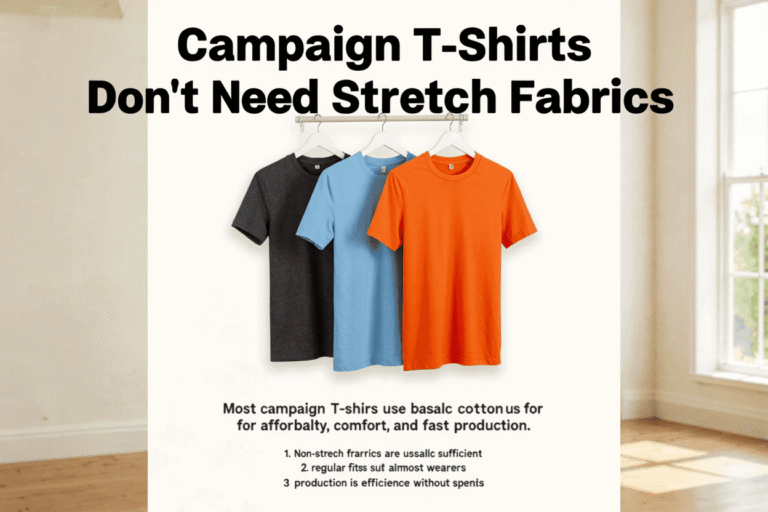
When I help clients pick T-shirt colors, I always ask what their event is trying to say. For example, red gives a feeling of excitement and energy, while blue feels more stable and professional. If the goal is to stand out outdoors, bright colors like yellow or orange are easy to spot. For a formal scene, dark colors like navy or black look sleek and less likely to show stains—important if shirts are worn all day.
Here’s how I break down the choice:
Event Purpose and Branding
| Purpose/Event Type | Suggested Color Type | Reason |
|---|---|---|
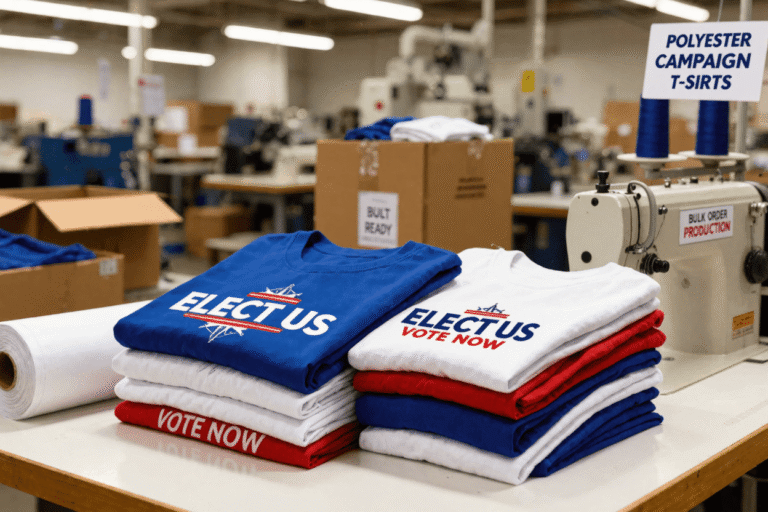
| Election/Campaign | Bright/Primary | High visibility, clear group identity |
| Corporate/Brand Launch | Brand Colors | Consistency with branding |
| Formal Meeting | Dark/Neutral | Professional appearance |
| Outdoor Fun Run | Neon/Bright | High visibility for safety |
| Giveaways/Promotions | White/Light | Lower cost, easy to print on |
Always make sure the shirt color contrasts well with your logo or design. A dark logo on a white or bright shirt shows up well. The reverse works too. But if both the shirt and logo are dark or light, the message gets lost.
Cultural Preferences
Different places love different colors. For example, red is lucky in China, but it might feel aggressive in other places. When I work on international campaigns, I check what colors are popular or meaningful locally. This helps the shirts make the right impression.
Cost and Production
White shirts usually cost the least because they do not need extra dye. Colors like gray, navy, or black cost a bit more, but they hide dirt better—great for shirts that get heavy use. Printing on colored shirts sometimes costs more, especially if you want bright, full-color designs.
| Color Type | Pros | Cons | Typical Cost* |
|---|---|---|---|
| White | Cheapest, easy printing, neutral | Gets dirty fast | $ |
| Bright Colors | High visibility, energy | May fade, costlier | $$ |
| Dark Colors | Hides stains, formal look | Designs need contrast | $$ |
| Pastel/Light | Soft, approachable | May look faded outdoors | $-$$ |
*Relative cost: $=Lowest, $$=Medium
Message and Mood
Color is not just about looks. It also shares a feeling. Here’s how common colors are used:
- Red: passion, action, energy
- Blue: trust, calm, professionalism
- Yellow: happiness, alertness
- Black: power, luxury, formality
- White: simplicity, versatility
I always suggest matching the shirt color to the event’s message. For example, if you want to show excitement, go for red or orange. For trust, blue works. For a luxury feel, black is best.
Balancing Impact and Cost
Sometimes the best shirt color is the one that gets noticed without costing too much. For big events, I often recommend picking stable, classic colors that most factories always have—like white, gray, or navy. This helps avoid delays and controls costs.
Conclusion
Colored T-shirts can work better if you match color to your goals, brand, and budget. Think about visibility, message, and costs to make the best choice.