If you've ever sweated through a cotton shirt during a campaign event, you know the frustration. Wet shirts feel heavy, clingy, and uncomfortable. Is there a better way?
Quick-dry fabrics are worth it for events in hot or humid conditions, especially outdoors. They keep you dry, comfortable, and looking neat, which makes them ideal for long campaigns.
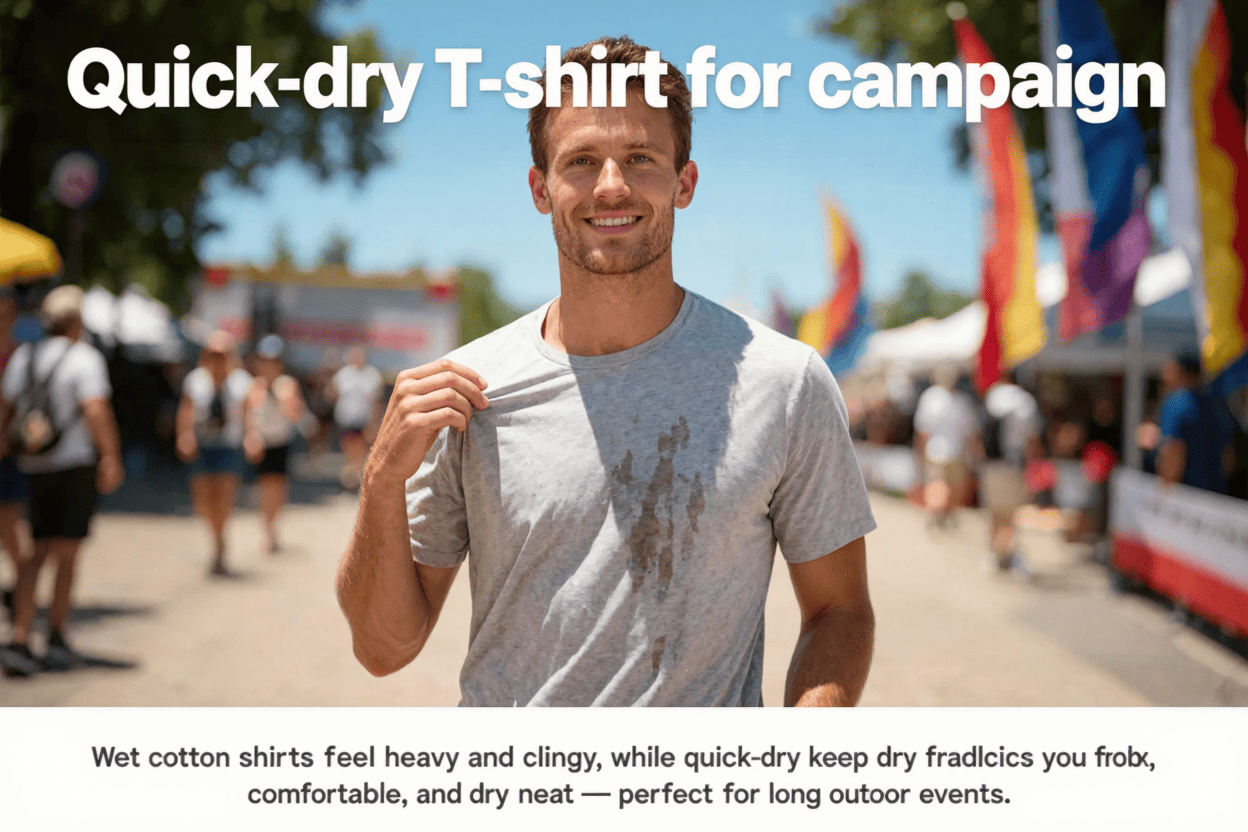
If you’re deciding between regular cotton and quick-dry fabrics for campaign shirts, it’s easy to get stuck. Cotton is soft and familiar, but once wet, it stays heavy. Quick-dry fabrics, though a bit pricier, might change the whole experience. Let’s look closer.
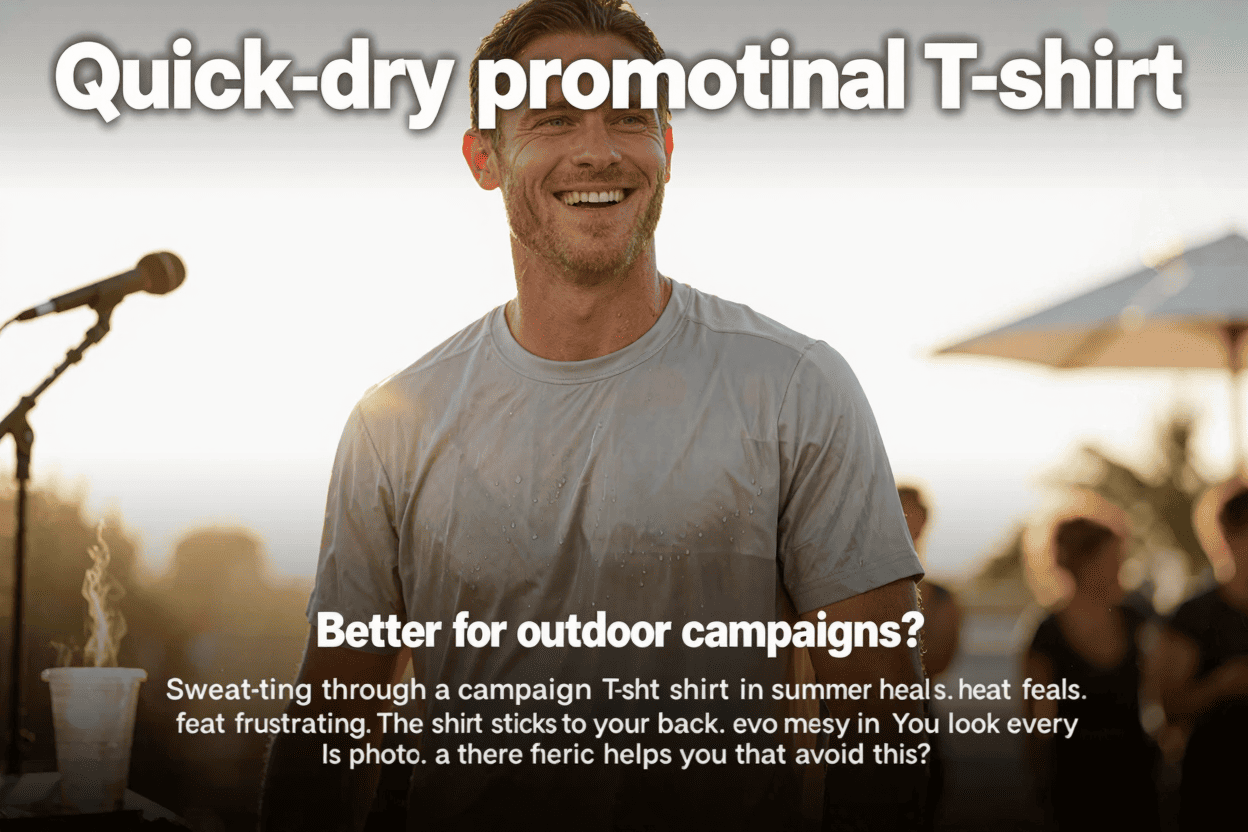
Better for outdoor campaigns?
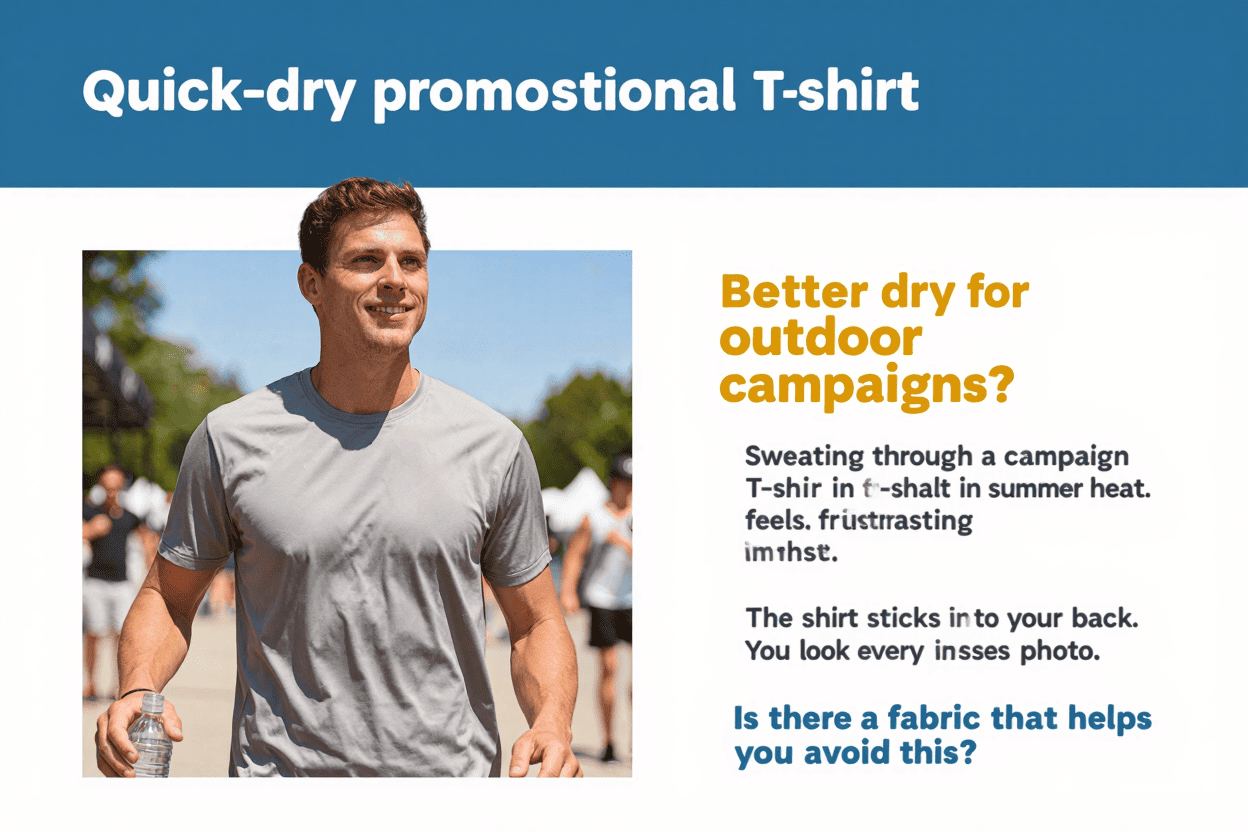
Sweating through a campaign T-shirt in summer heat feels frustrating. The shirt sticks to your back. You look messy in every photo. Is there a fabric that helps you avoid this?
Yes, quick-dry fabrics work much better for outdoor campaigns than regular cotton. They wick sweat away fast, so you feel lighter and drier, even after hours in the sun.
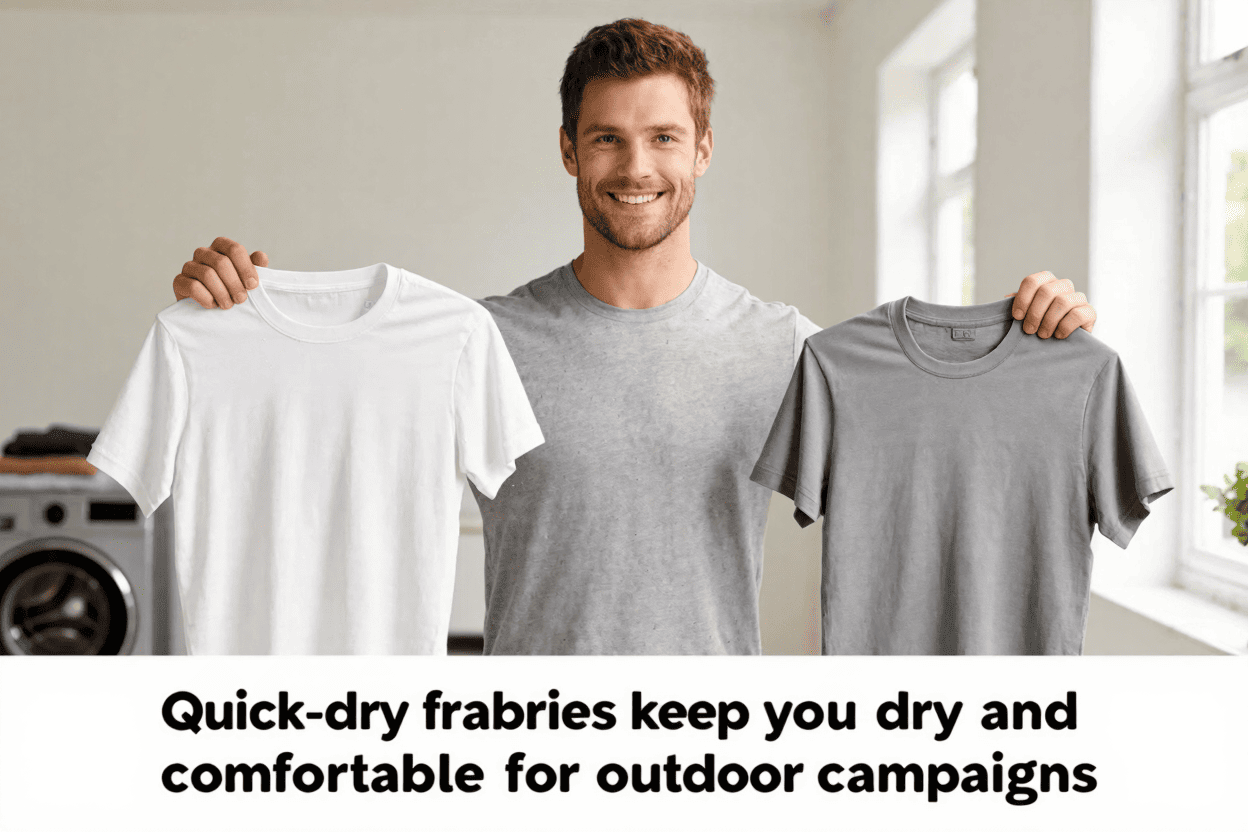
When I started organizing campaign events, we used basic cotton shirts. They looked good at first, but after an hour in the sun, everyone was uncomfortable. I noticed the candidates and volunteers looked tired and sweaty in photos. When we tried quick-dry shirts, the difference was immediate. These fabrics pull moisture away from the skin and dry in minutes, not hours. That keeps everyone cooler and reduces the clammy feeling during speeches or while handing out flyers. Here’s how the two compare:
| Feature | Quick-Dry Fabric | Cotton |
|---|---|---|
| Moisture Wicking | Excellent | Poor |
| Drying Speed | Very Fast | Slow |
| Comfort (Long Events) | Consistent | Drops as it gets wet |
| Image in Photos | Stays neat | Shows sweat patches |
| Weight When Wet | Light | Heavy |
| Cost | Slightly higher | Lower |
In my experience, the higher price of quick-dry shirts pays off when your team needs to look fresh for hours. If a campaign day is five hours or more in the sun, everyone appreciates a shirt that doesn’t cling or sag. For one-hour indoor events, cotton is fine, but for outdoor, high-energy campaigns, I always recommend quick-dry.
Why do quick-dry fabrics stay drier?
Have you ever noticed how some shirts feel cold and wet long after you stop sweating? That’s because they soak up moisture and hold onto it. Quick-dry fabrics do the opposite.
Quick-dry fabrics use synthetic fibers like polyester to move sweat away from your skin, spreading it out so it evaporates fast.
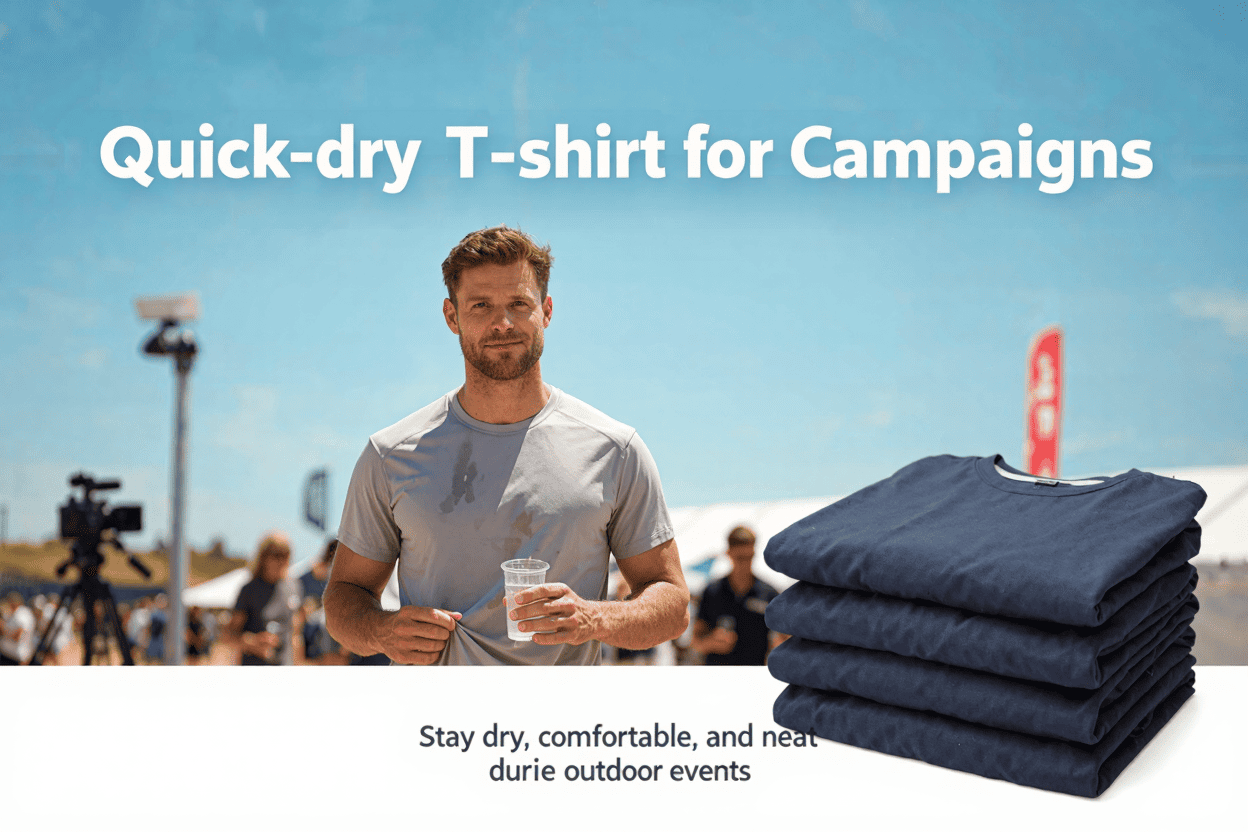
I once wore a quick-dry shirt on a hot July afternoon while setting up an event. At first, I doubted the shirt would make much difference. But as I sweated, I noticed it never felt soaked. The technology behind these shirts is simple: polyester and similar fibers don’t absorb water. Instead, they push it across the fabric’s surface, allowing air to dry it quickly. That way, even after heavy sweating or a sudden summer rain, the shirt feels mostly dry in a few minutes. This keeps you comfortable and looking neat. Here’s a quick breakdown:
- Fiber content: Polyester, nylon, and blends resist soaking up water.
- Weave structure: Designed to maximize airflow.
- Finish: Many quick-dry shirts get special treatments to further speed up drying.
For campaign teams, this means less risk of embarrassing sweat marks or heavy, sagging shirts during rallies. Comfort stays high, and your group keeps a professional appearance.
Are quick-dry shirts more comfortable?
Comfort can be subjective. Some people love the softness of cotton. Others prefer a shirt that doesn’t get heavy or sticky. So, how do quick-dry shirts compare?
Quick-dry shirts feel lighter and cooler during long wear, especially under the sun. They don’t stick or chafe, which makes them more comfortable for active, outdoor use.
When I switched my team to quick-dry shirts for an outdoor campaign, some volunteers worried they would feel “plastic” or rough. The reality was surprising. While not as soft as premium cotton, the quick-dry shirts stayed consistent all day. Cotton feels nice for the first hour, but once it gets wet, it can chafe and cling. With quick-dry, the fabric remains light and moves with you. That makes a big difference if you’re on your feet, waving signs, or walking door-to-door. After a full day, no one complained about feeling hot or sticky.
Here’s a simple summary:
| Feature | Quick-Dry Fabric | Cotton |
|---|---|---|
| Initial Softness | Moderate | High |
| Comfort Over Time | Stays consistent | Drops when wet |
| Breathability | High | High |
| Chafing Risk | Low | High (when wet) |
If you care about comfort for long outdoor events, quick-dry is the clear winner.
What about cost and value?
Spending extra on team shirts can feel risky. Are quick-dry shirts worth the higher price?
Quick-dry shirts cost a bit more than cotton, but their benefits for outdoor campaigns make them a smart choice if you need team members to look and feel their best.
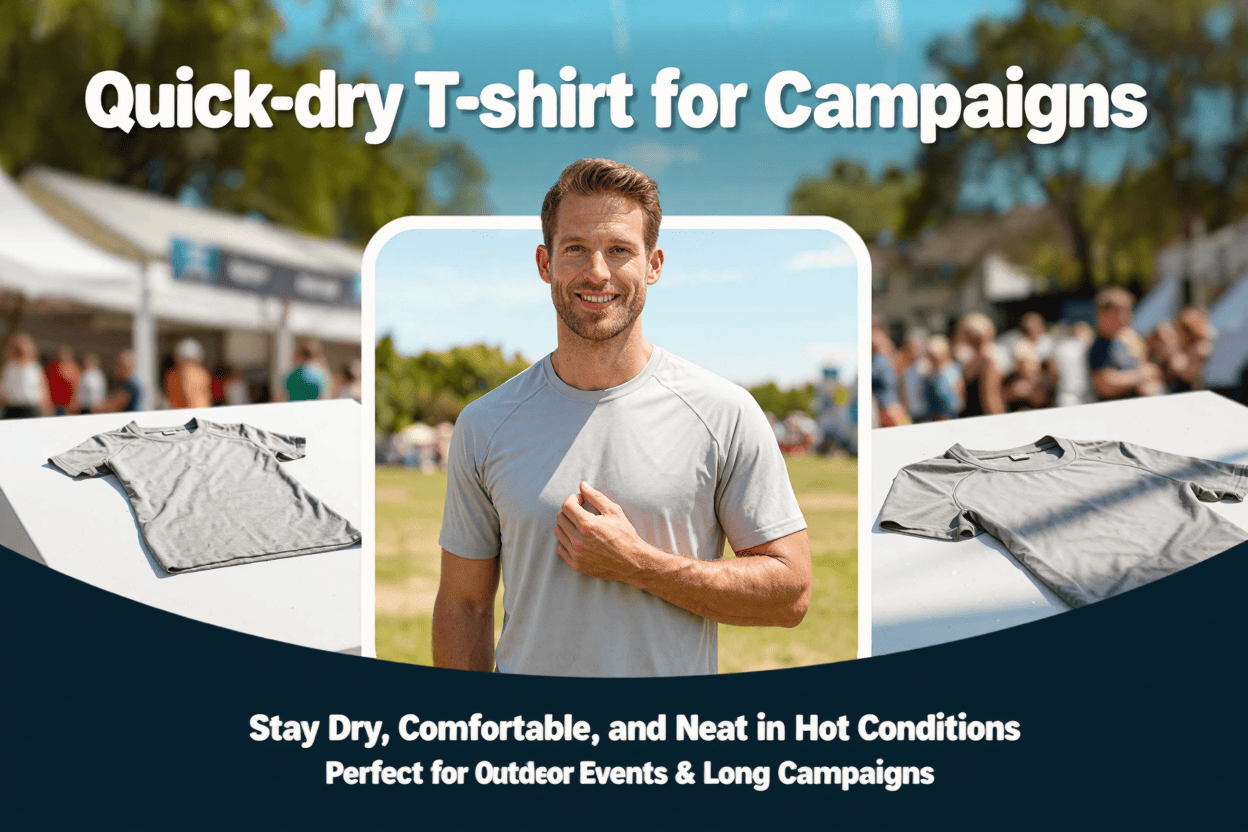
I’ve worked with budgets both big and small. For a short, indoor event, cotton is enough. For week-long campaigns or big outdoor rallies, quick-dry shirts pay off. They last longer, resist stains, and keep people looking tidy. You spend less time worrying about team members needing to change. If you need private labels, special packaging, or phased delivery, it’s easy to customize quick-dry shirts as well. In the long run, the added cost per shirt can be offset by improved morale and better photos.
Here’s a cost-value comparison:
| Factor | Quick-Dry Shirt | Cotton Shirt |
|---|---|---|
| Unit Cost | Slightly higher | Lower |
| Durability | High | Moderate |
| Appearance after Wash | Stays neat | Prone to fading |
| Comfort (All-Day) | High | Drops if wet |
| Brand Perception | Professional | Standard |
For outdoor campaign organizers, I recommend planning for quick-dry shirts if the budget allows.
Conclusion
Quick-dry fabrics are worth it for outdoor campaigns. They keep teams dry, comfortable, and looking tidy, making them the smart choice for long events in hot or humid weather.