Many buyers lose money and reputation because they receive T-shirts made from poor fabric. You can avoid this problem with a few simple checks.
To avoid poor fabric quality, always choose materials with clear composition labels, verify samples in hand, check weight and density, request basic fabric testing, and select experienced factories with a stable track record.
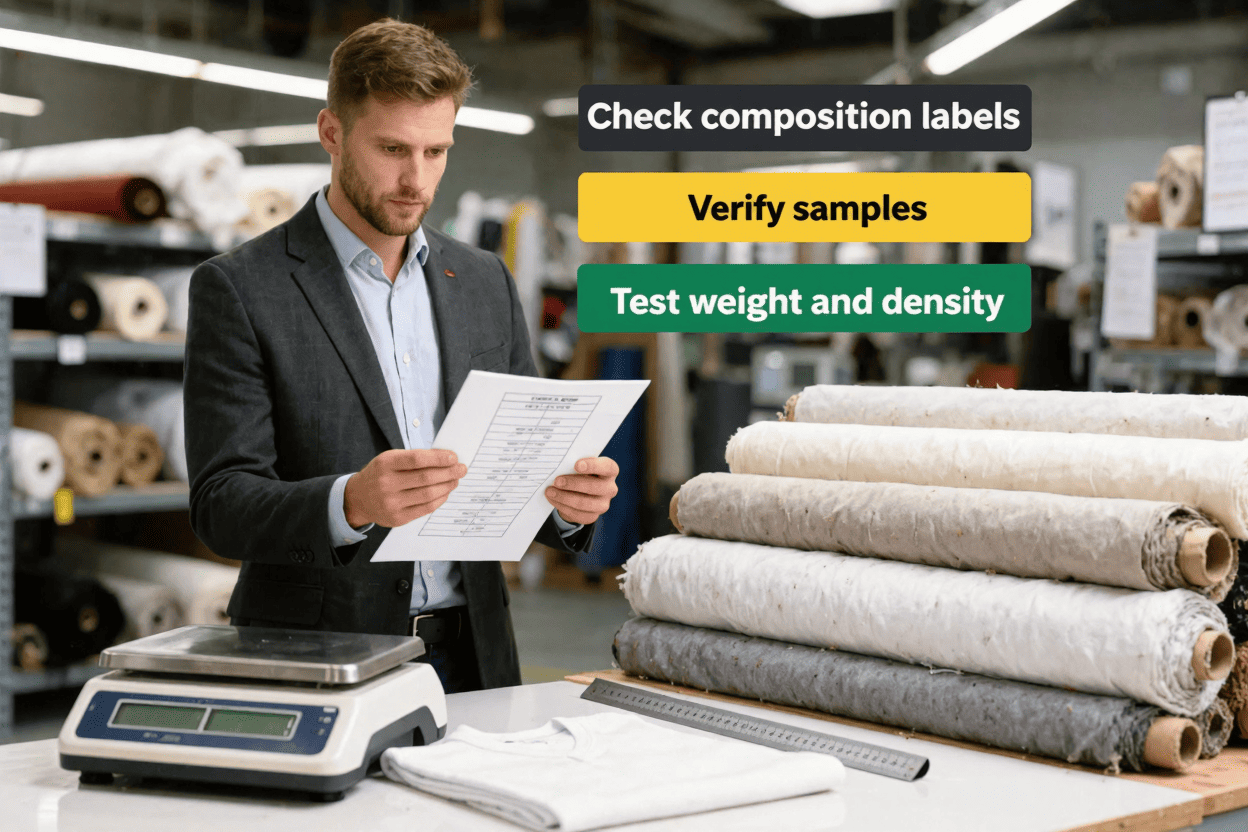
When I started sourcing campaign T-shirts, I learned that poor fabric quality hurts not just the product but also the trust with clients. Many factories offer tempting prices, but those usually come from unclear sources or unreliable suppliers. I found that taking a few extra steps up front saves me from headaches later. If you want to avoid wasted money on subpar T-shirts, keep reading.
Key signs to check?
Many buyers only look at photos and price, but both can be misleading. You need to check a few key signs to spot poor fabric before placing a big order.
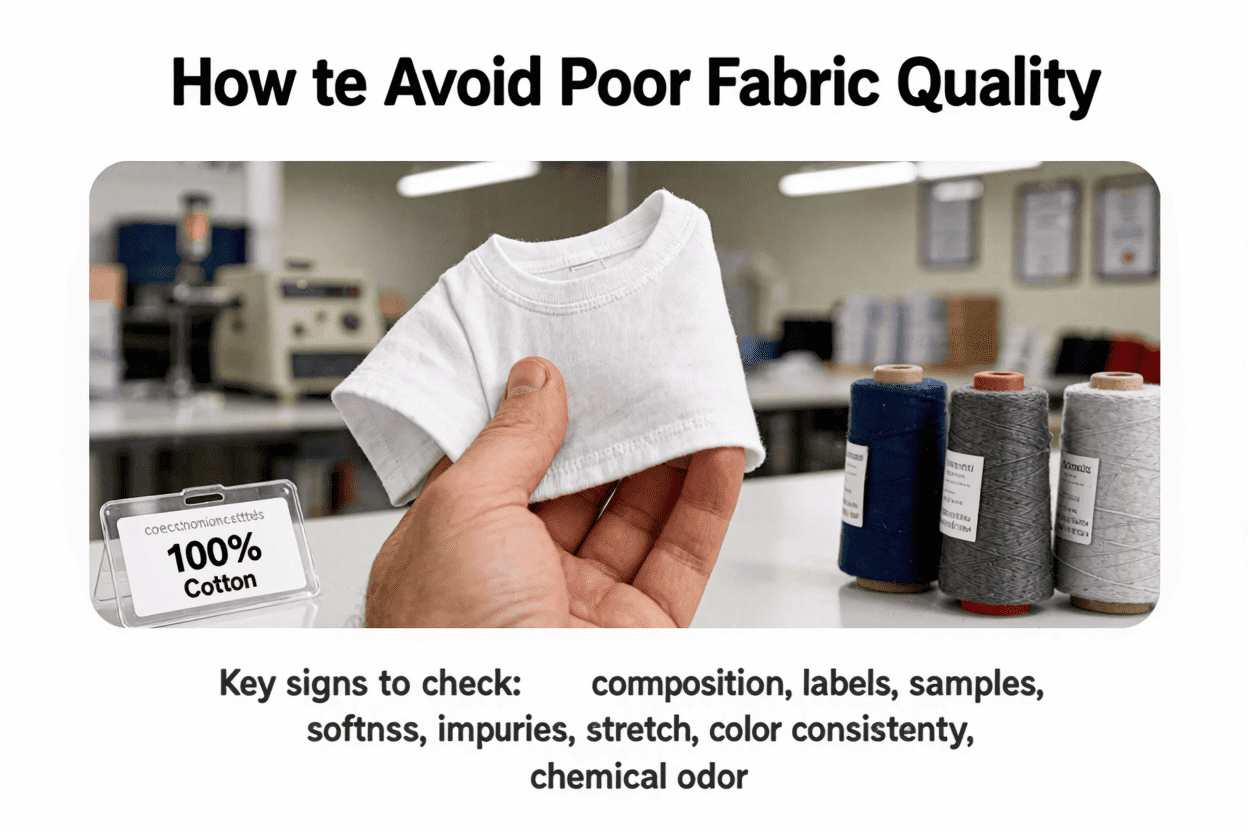
Check for clear composition labels, examine fabric samples, feel for softness, inspect for impurities or knots, stretch for resilience, look for color consistency, and smell for chemical odors.
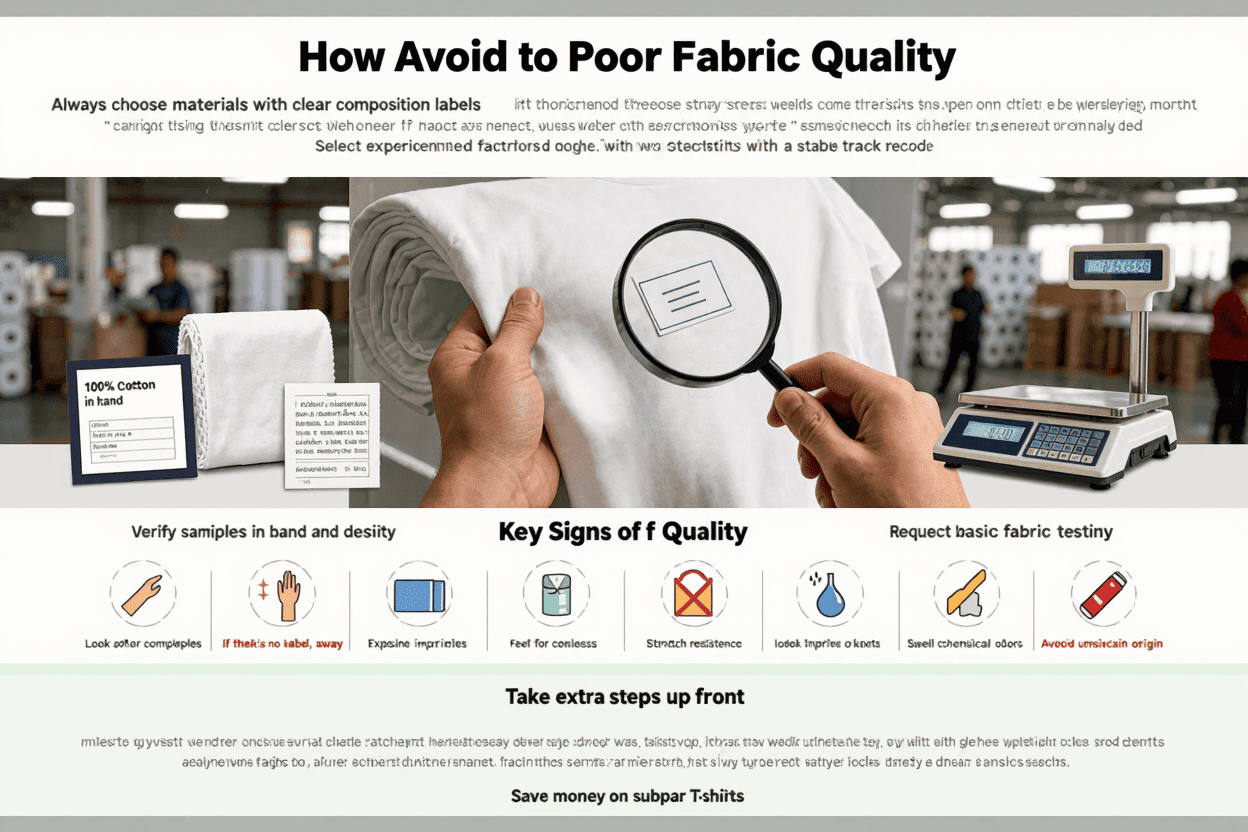
When I inspect a new T-shirt sample from a supplier, I always start by checking whether the fabric has a clear composition label. If there is no label, or if the supplier can't show reliable certificates, I walk away. I also avoid fabrics with uncertain origin because those are usually leftover stock or mixed lots, which lead to inconsistent quality.
Feeling the fabric is important. Soft and even texture signals good quality, while rough and stiff cloth often means low grade. I run my hand gently over the surface to check if it feels smooth. If the material feels uneven or scratchy, I know it will not last or look good after a few washes.
I examine the fabric for visible impurities or knots. Sometimes, small lumps or uneven weaving show up, especially in cheap polyester. These flaws affect comfort and durability. I also stretch the fabric slightly and watch if it rebounds quickly. Poor elastic recovery means the material will lose shape after wearing or washing.
Color consistency is easy to overlook. I hold the sample under different lights and check if the color looks uniform. Any obvious color difference or patchy shade means dyeing was not stable. That leads to issues like fading or mismatched T-shirts in one batch.
Smell matters, too. If the fabric has a strong chemical odor, I suspect cheap or unsafe dyes. I always ask for samples and do a simple wash to see if the smell goes away. If the smell remains, I avoid ordering from that supplier.
| Fabric Quality Sign | What to Look For | What to Avoid |
|---|---|---|
| Composition Label | Clear content, certificates | No label, unclear source |
| Sample Confirmation | Physical sample in hand | Only photos, no sample |
| Softness & Texture | Smooth, even | Rough, stiff, uneven |
| Surface Cleanliness | No impurities or knots | Visible lumps or defects |
| Elastic Recovery | Quick rebound on stretch | Slow or no rebound |
| Color Consistency | Uniform color, no patchiness | Patchy, uneven shades |
| Odor | Neutral or clean smell | Strong chemical smell |
When I follow these steps with every supplier, I avoid most fabric problems. I always require basic testing like washing and color fastness before confirming a big order. Suppliers with stable production experience usually pass these tests, while new or unproven factories often fail.
How can you choose reliable suppliers?
Many buyers rush to place orders with the lowest price, but this often means poor fabric from unknown sources. Reliable suppliers reduce your risk and protect your reputation.
Choose suppliers who offer clear composition labels, provide physical samples, support basic fabric testing, and have stable production experience.
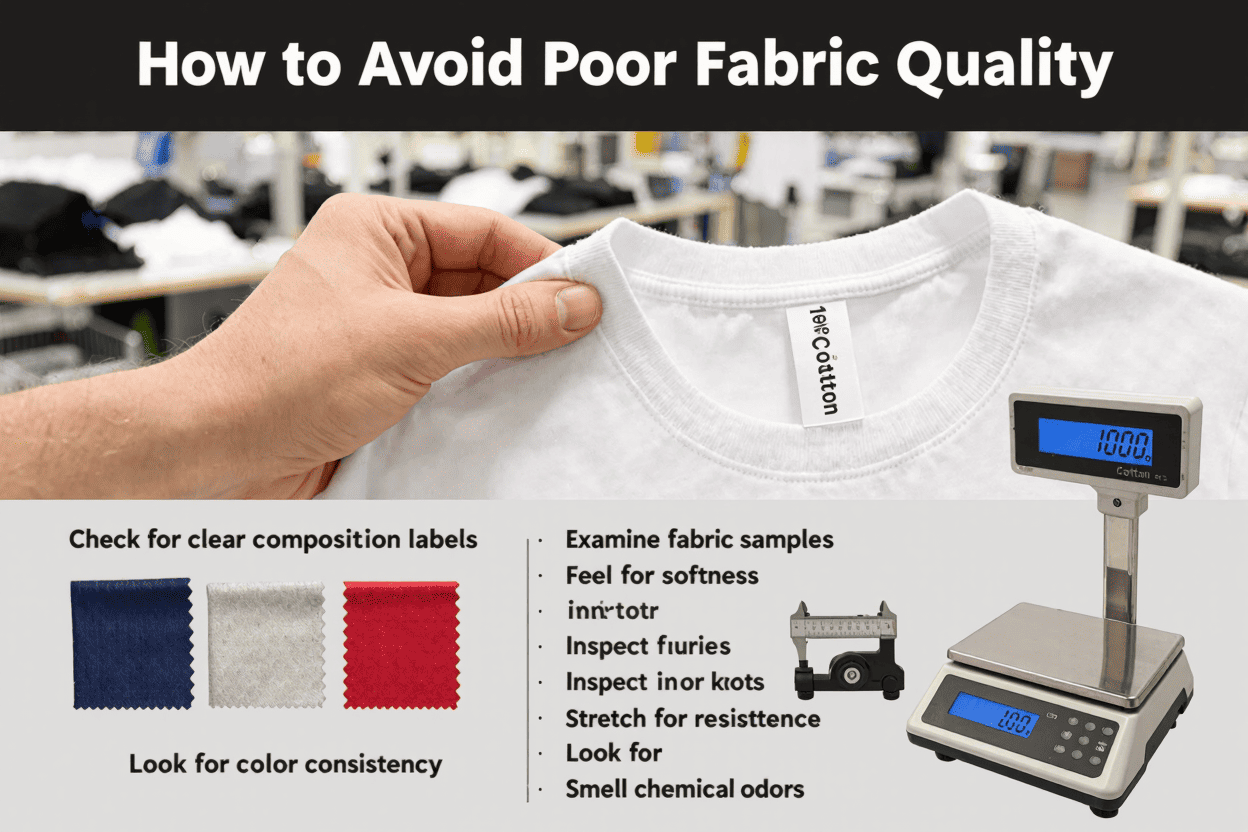
When I look for a new supplier, I never rely on photos or promises alone. I ask for samples, and I compare actual fabric in hand. If a supplier hesitates or delays sending samples, I take it as a warning sign. I make sure they can provide clear content labels and certificates. A supplier who insists on just sending photos or vague descriptions will almost always disappoint.
I always request basic tests on the fabric. Water washing and color fastness tests are simple but effective. These tests show if the fabric will hold up during use. Suppliers who refuse these tests usually have something to hide.
Stable production experience is a big advantage. Factories that have served campaign buyers, supermarkets, or private-label brands for years know how to maintain quality. I look for factories with more than a few years of steady work. They usually have systems to check fabric weight, density, and consistency.
I also check if the supplier supports phased delivery or project-based cooperation. If they can handle bulk orders in steps, it shows they are organized and reliable. Quick response to inquiries and ability to provide samples quickly also signal a good supplier.
| Supplier Feature | Why It Matters | What to Avoid |
|---|---|---|
| Clear Composition Labels | Helps trace quality | No label, unclear origin |
| Physical Samples | Shows actual fabric | Only photos, no sample |
| Basic Fabric Testing | Confirms durability | Refuses testing |
| Stable Production | Maintains consistent quality | New, unproven factory |
| Phased Delivery | Handles large projects | No delivery flexibility |
| Quick Response | Solves issues fast | Slow or no reply |
I learned over time that reliable suppliers make my business run smoothly. I avoid last-minute problems and ensure every campaign order meets my client’s standards. When suppliers pass these checks, I can focus on growing my business instead of fixing quality issues.
What tests should you perform before placing an order?
Many buyers skip testing and regret it later when T-shirts fade, shrink, or tear after a few washes. Basic tests help you catch problems early.
Always perform water washing and color fastness tests, check for fabric weight and density, and inspect for softness and elasticity before confirming any bulk order.
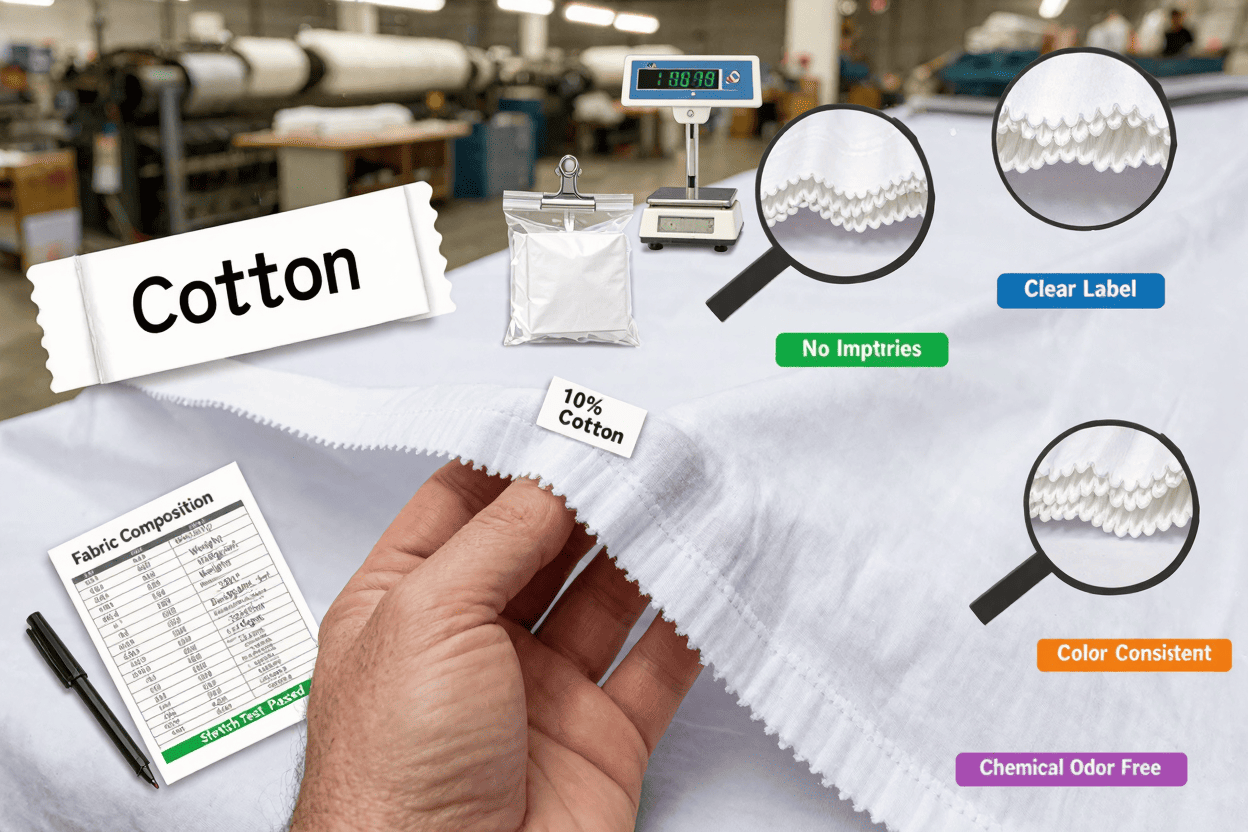
When I receive a sample, I do a simple water wash first. I soak the fabric in warm water and see if the color fades or if the material changes shape. If the T-shirt loses color or shrinks after washing, I know the fabric is not stable.
Color fastness test is easy. I rub a white cloth over the sample and check if color transfers. If the color bleeds, it will likely stain skin or other clothes during use. This is a red flag.
I always check fabric weight and density. I weigh the sample and compare the figure with standard values for campaign T-shirts, usually around 150-180 grams per square meter. Lower weight often means thinner fabric, which is less durable and changes shape easily. I also examine the weave to see if it is tight and uniform. Loose or irregular weave leads to holes and poor appearance after a few wears.
Softness and elasticity are important for both comfort and lasting shape. I gently stretch the fabric and check if it rebounds quickly. If the material stays stretched or warps, it will lose form after a few washes. I feel the fabric to make sure it is soft and even. Rough or stiff material usually indicates poor quality.
I document all tests and compare results with past orders. If the supplier passes these checks, I proceed with the order. If any test fails, I discuss with the supplier and reject the batch if needed.
| Test Type | How to Perform | What to Watch For |
|---|---|---|
| Water Wash | Soak, wash, reshape | Fading, shrinking |
| Color Fastness | Rub with white cloth | Color transfer, bleeding |
| Weight & Density | Weigh, check weave | Too light, loose weave |
| Softness & Elasticity | Feel, stretch, rebound | Rough, stiff, poor rebound |
Testing before placing orders saves me from returns and complaints. It builds trust with clients because I can guarantee stable quality. Even simple tests help avoid major headaches later.
Conclusion
Checking fabric signs, choosing reliable suppliers, and doing basic tests protect against poor fabric quality and help ensure every campaign T-shirt meets expectations.