When your printed T-shirts fade or crack, it ruins the first impression—and the investment. This post explains how to avoid those costly mistakes.
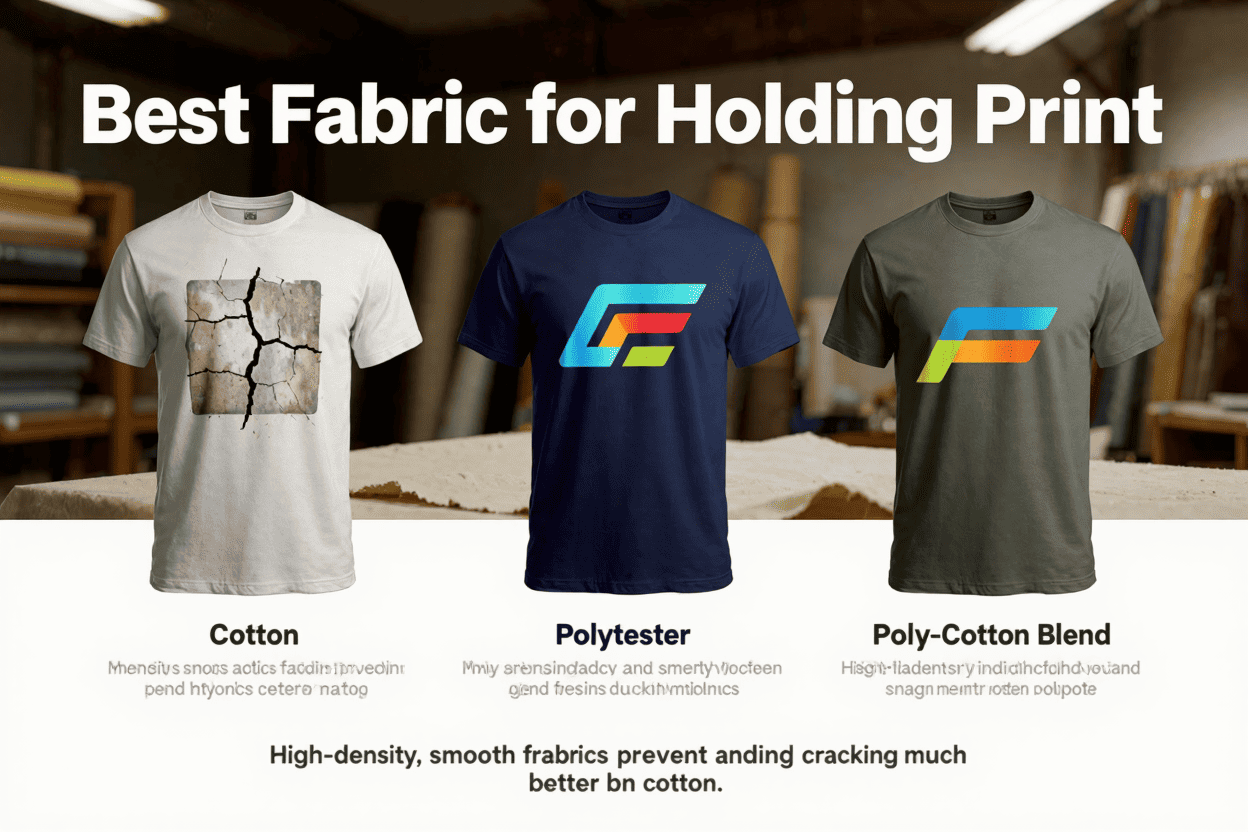
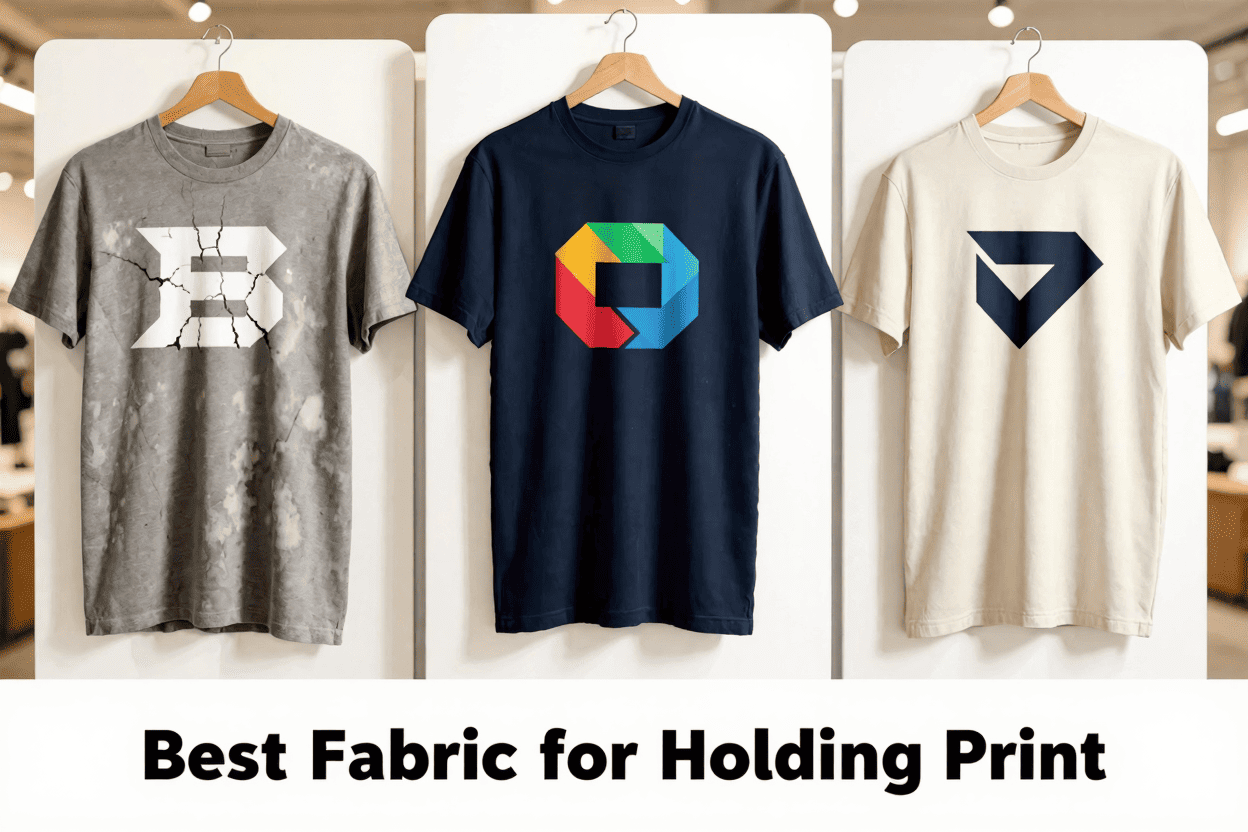
Polyester and polyester blends hold prints best, especially with heat transfer printing. High-density, smooth fabrics prevent fading and cracking much better than cotton. The right technique and material matter most.
You want your promotional or campaign shirts to look great, even after many washes. The wrong fabric or print method can lead to poor results and wasted budgets. I have helped clients choose the right solution for years. Let me show you what to avoid and what really works.
Avoid fading and cracking?
No one likes it when a campaign shirt loses its message after just a few wears. Faded logos and cracked prints reflect badly on your brand and force you to re-order.
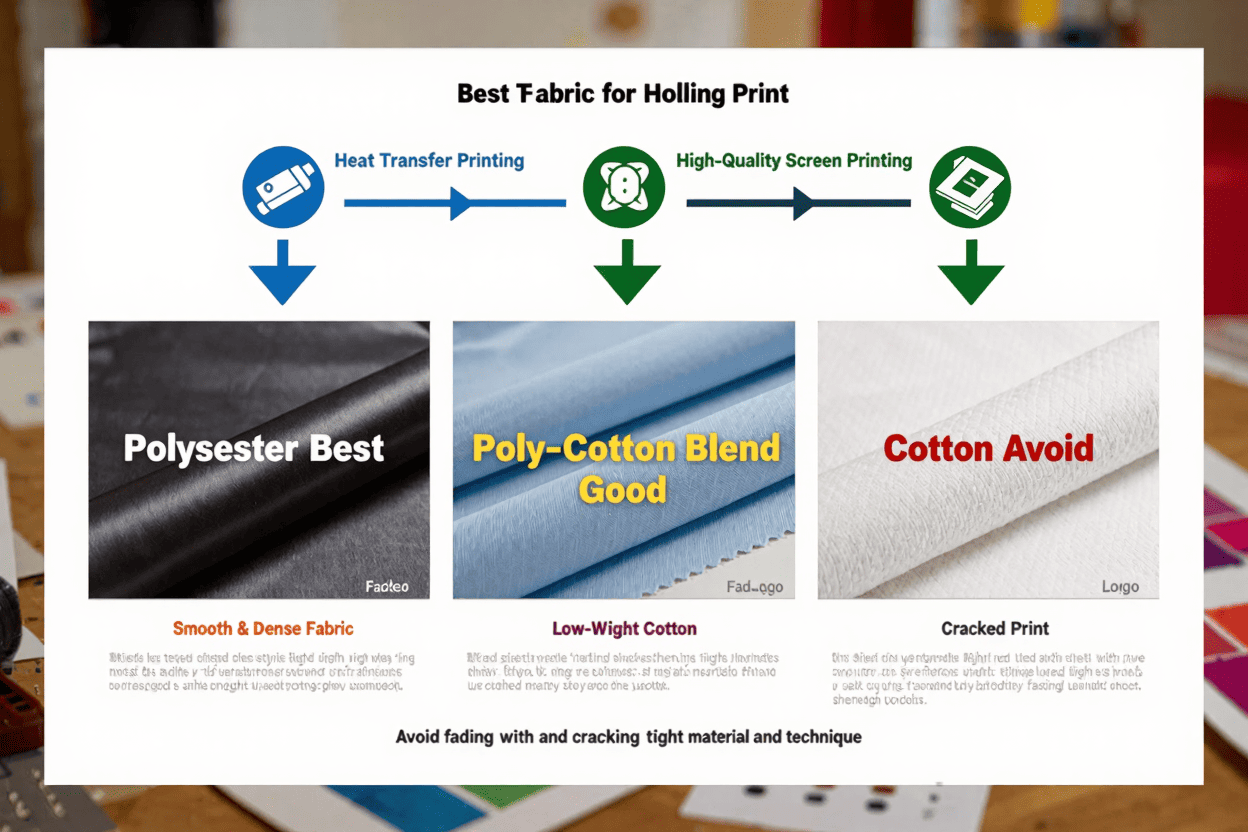
To avoid fading and cracking, use polyester or poly-cotton blends with heat transfer printing or high-quality screen printing. Choose smooth, dense fabrics and avoid low-weight cotton.
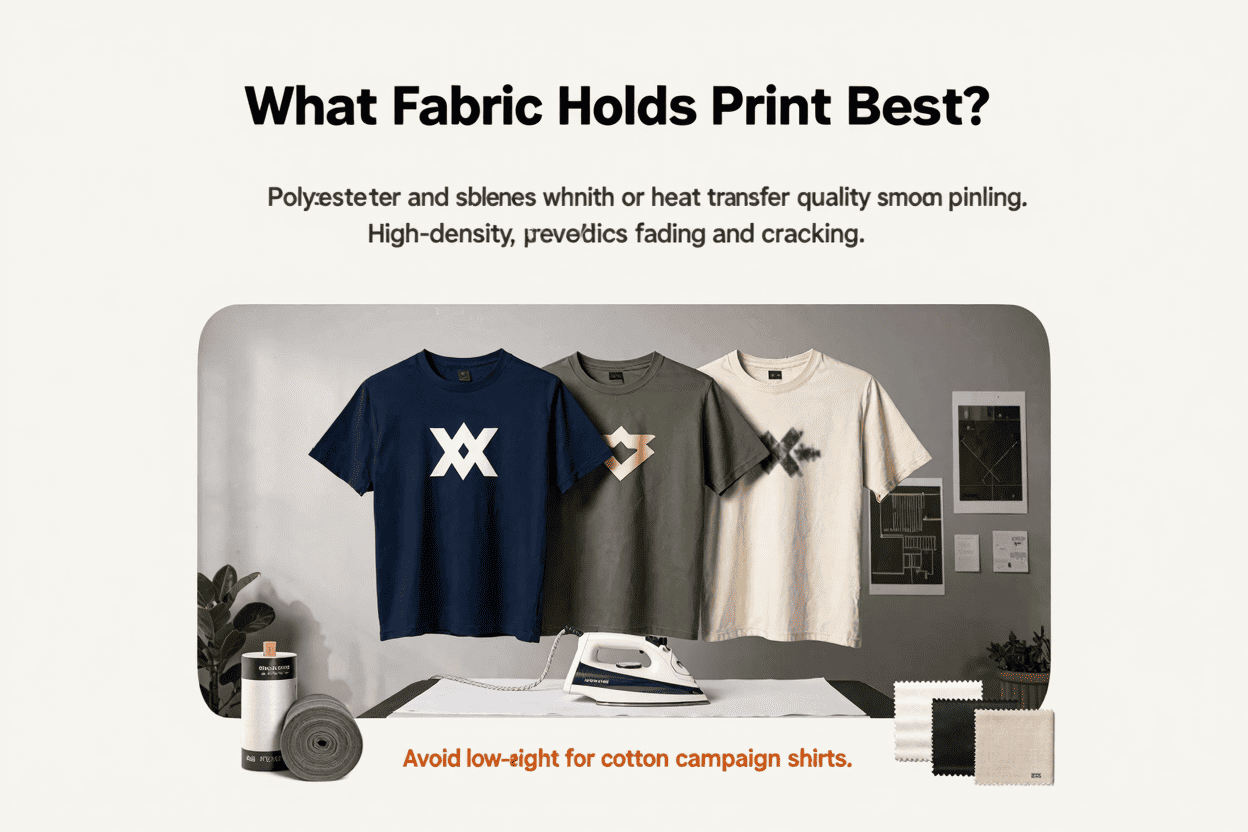
Let's look closer at why some fabrics and prints last longer than others. I have seen, many times, that print durability is not just about the ink or the printer. The fabric itself is the most important part. For example, polyester has a smooth, tight surface. It allows heat transfer prints to bond strongly. Pure cotton is good for screen printing, but ink can fade or wash out faster, especially if the cotton is low-grade. Combed cotton can make prints look sharper, but still does not match polyester's durability. Surface smoothness and fabric density matter. The smoother and denser the fabric, the less likely the print will crack or fade. See the table below for a quick comparison:
| Fabric Type | Best Print Method | Print Durability | Common Issues |
|---|---|---|---|
| 100% Polyester | Heat Transfer | Excellent | Difficult with some inks |
| Cotton (ring-spun) | Screen Print | Medium | Fading, especially low GSM |
| Combed Cotton | Screen Print | Good | Fading, less than polyester |
| Poly-Cotton Blend | Heat Transfer/Screen | Very Good | Very rare, some cracking |
| Low-Density Cotton | Any | Poor | Immediate fading/cracking |
If you need shirts for a one-off event, pure cotton is fine, but if you want your logo to last, polyester or blends are best. The print method also matters. Heat transfer is stable on polyester, while screen print needs good ink and control. Avoid low-quality, lightweight fabrics—they always underperform.
Why do some prints crack and fade so fast?
Prints crack and fade when the fabric cannot hold the ink or film well, or when the print does not bond at a molecular level. High temperature drying can also speed up cracking.
Factors that cause prints to fail:
- Low thread count or loose weave
- Uneven or rough fabric surface
- Poor bonding between ink and fibers
- Over-drying at high heat
How to prevent these problems:
- Use high-density fabric
- Choose the right print process for the material
- Keep drying and finishing processes controlled
When I work with clients, I always recommend testing samples before large orders. This way, both sides can spot issues before full production.
Which print method works best on each fabric?
The print method is as important as the material. If you pick the wrong match, your print will not last.
Heat transfer is best for polyester and blends, while screen printing is better for high-quality cotton. Adjust ink and finishing for best results.
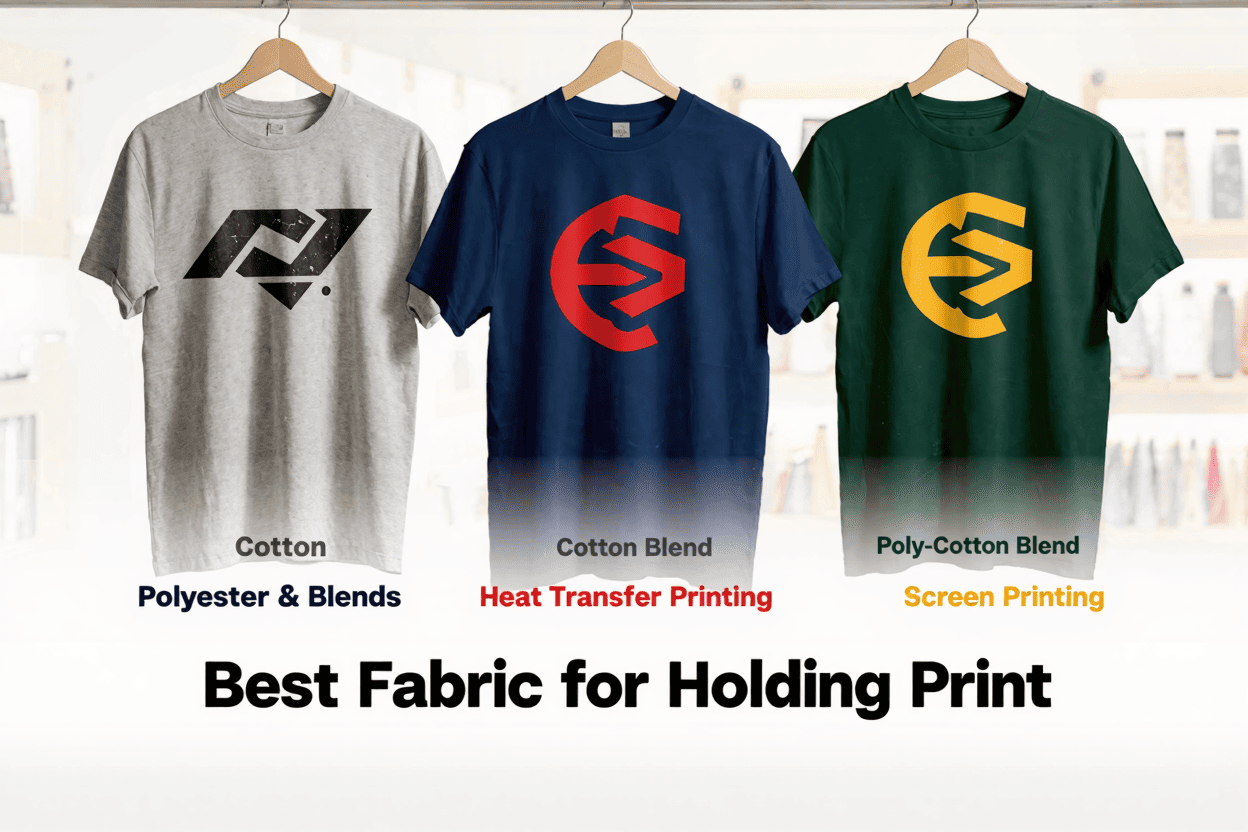
Most buyers do not realize that some methods only work on certain fabrics. Heat transfer printing is almost always my first choice for polyester. The print film bonds well and colors stay bright. For pure cotton shirts, screen print works well, but only if the ink is good and the process is controlled. For blended fabrics, both methods can work but heat transfer usually lasts longer. Embroidery is an option, but only for thicker fabrics and simple designs.
| Print Method | Best For | Pros | Cons |
|---|---|---|---|
| Heat Transfer | Polyester, Blends | Most durable, bright | Not for 100% cotton |
| Screen Printing | Pure/Combed Cotton | Good for large runs | Fading on low GSM cotton |
| Embroidery | Thick, dense fabric | Texture, no fade | High cost, limited detail |
| Sublimation | 100% Polyester | Photo-quality, no peel | Only for polyester white |
A critical tip: avoid using low-grade ink or untested heat presses. Even good material cannot make up for sloppy printing or finishing. I always check ink quality and make sure the final curing temperature is correct.
How do post-processing and washing affect print life?
You may pick the right fabric and print, but poor finishing or washing will still ruin your shirts.
Proper post-processing and careful washing are key for long-lasting prints. Use correct curing temperature, avoid harsh detergents, and do not tumble dry on high heat.
After printing, every shirt needs correct curing—a final heating step that fixes the ink or film. If this goes wrong, the print may peel, crack, or fade even after a few washes. I have seen prints ruined by rushing this step or by using the wrong dryers. After delivery, washing is also important. Always wash inside out, use cool water, and avoid strong detergents or bleach. High-heat tumble drying can break the bond between print and fabric.
| Step | Best Practice | What to Avoid |
|---|---|---|
| Curing | Use recommended temperature and time | Overheating or under-curing |
| Washing | Inside out, cold water, gentle cycle | Hot water, strong detergents |
| Drying | Air-dry or low heat, avoid sun | High-heat tumble, sunlight |
I always include washing instructions with bulk orders. This small detail helps customers get the most value from their shirts.
Conclusion
Choose polyester or poly-cotton blends with the right print method, ensure careful finishing, and follow proper washing steps for prints that last.