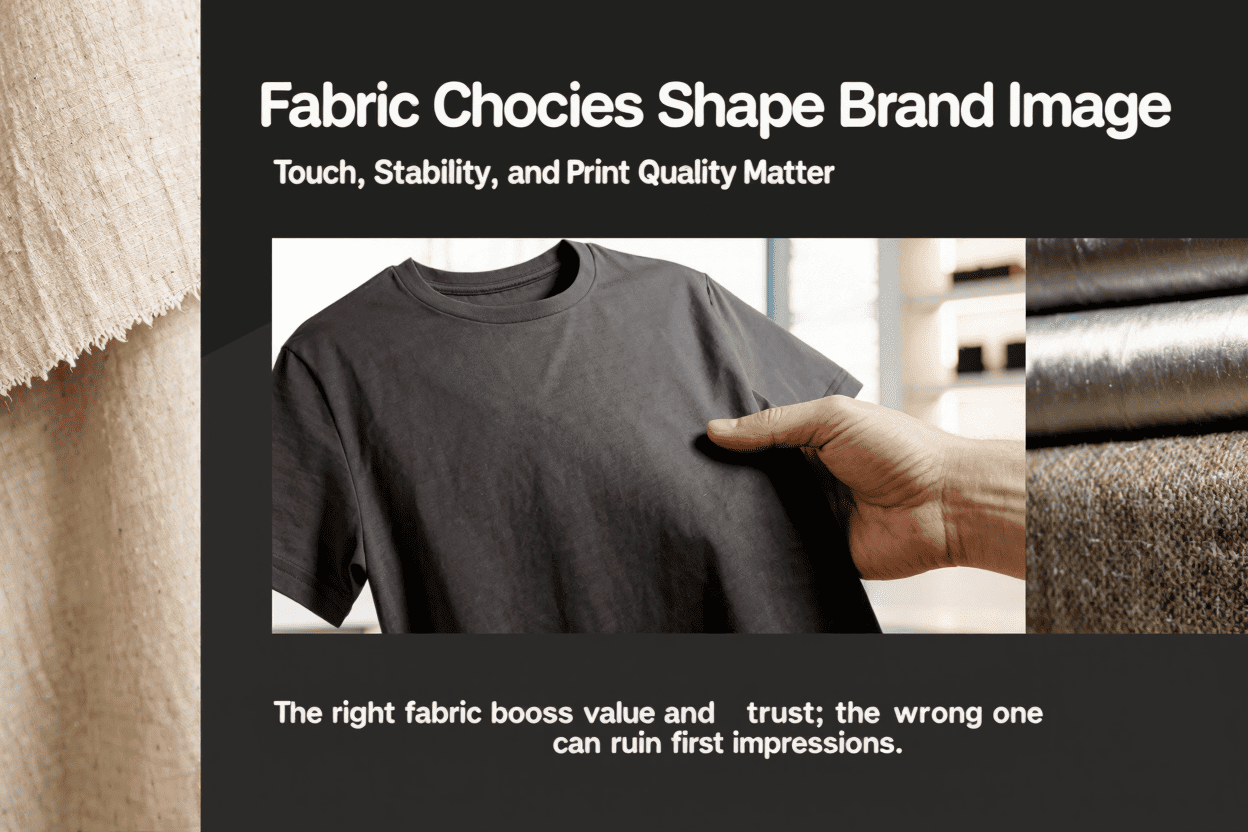
Many brands struggle with standing out. They want to look high-end, but poor fabric choices can ruin first impressions and trust.
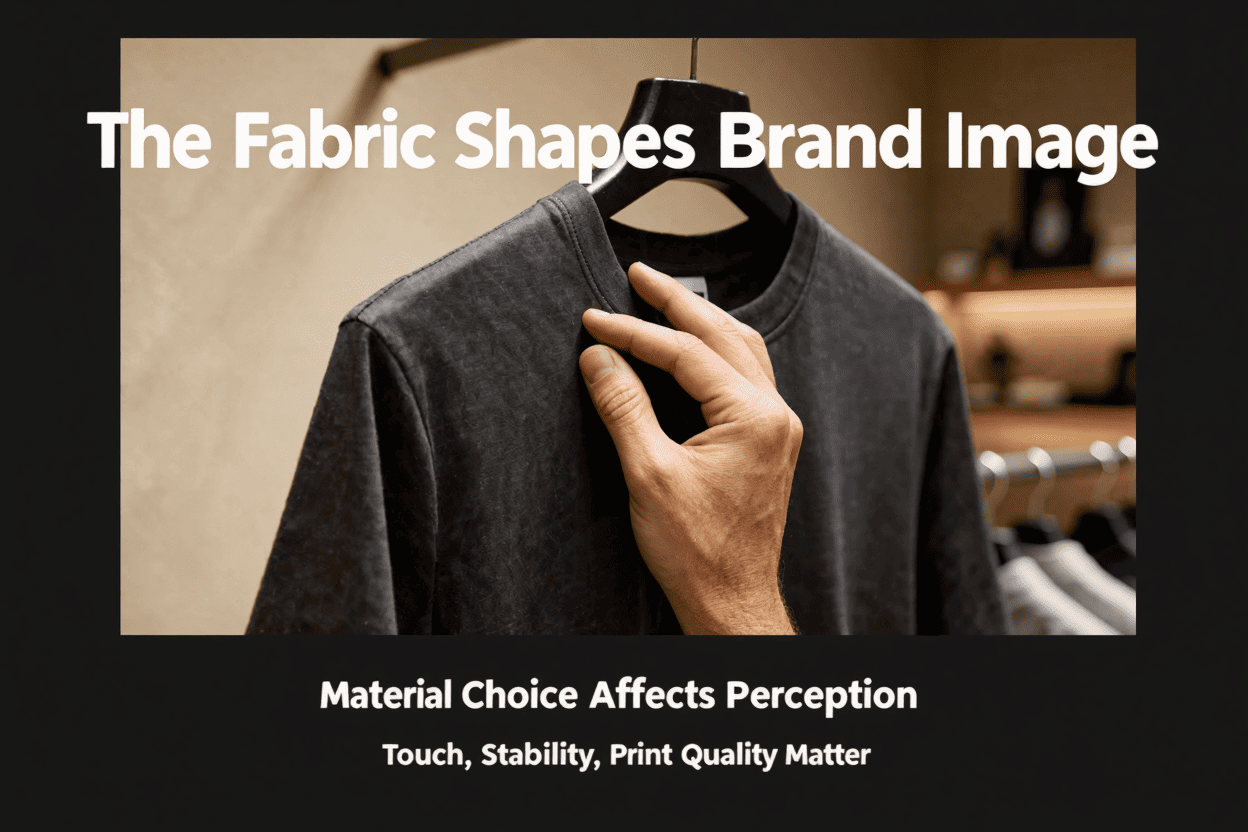
The fabric used in a product shapes how customers see a brand. Good materials boost brand value and trust, while cheap ones can lower it. Touch, stability, and print quality all matter for perception.
When I work with clients on customized T-shirts, I always see how quickly material choices shape opinions. Readers who want a strong brand need to understand how fabric choices connect to brand strategy. Stay with me to see why these decisions matter and how they affect your business.
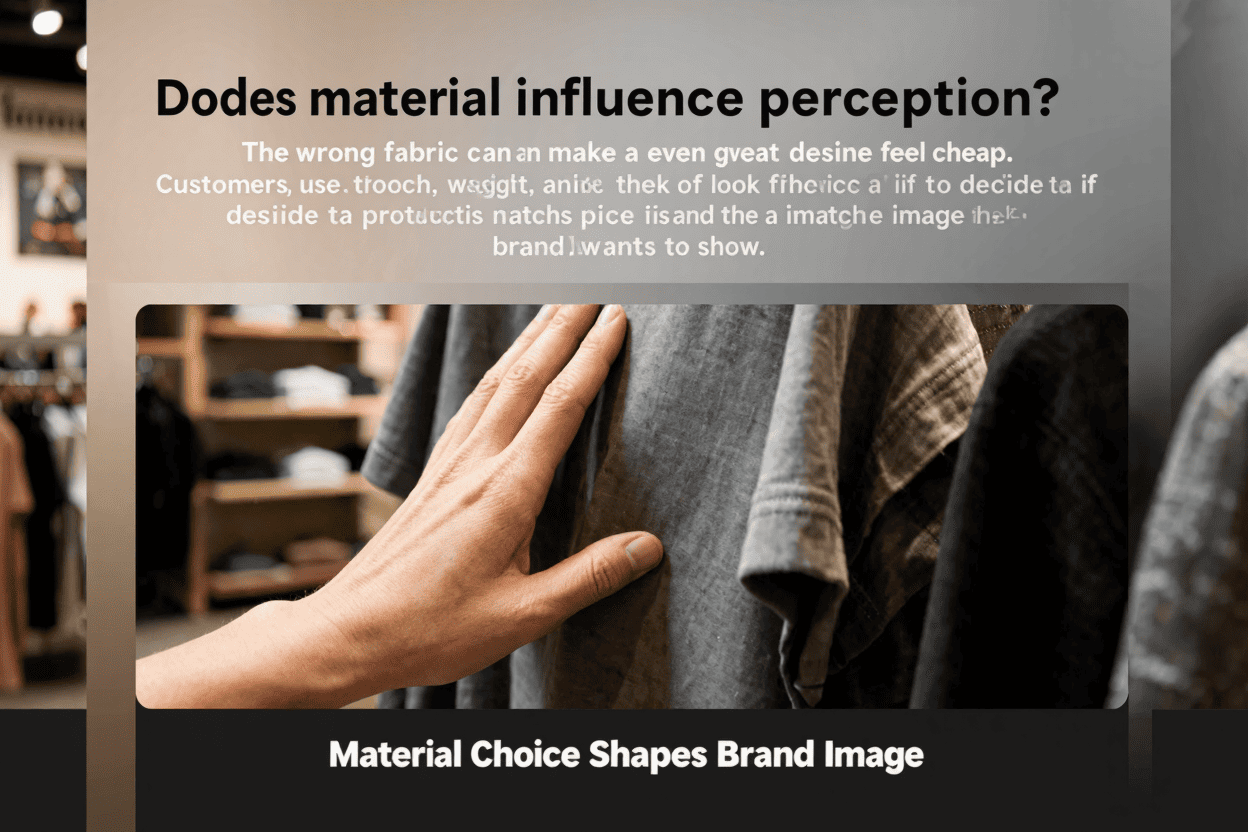
Does material influence perception?
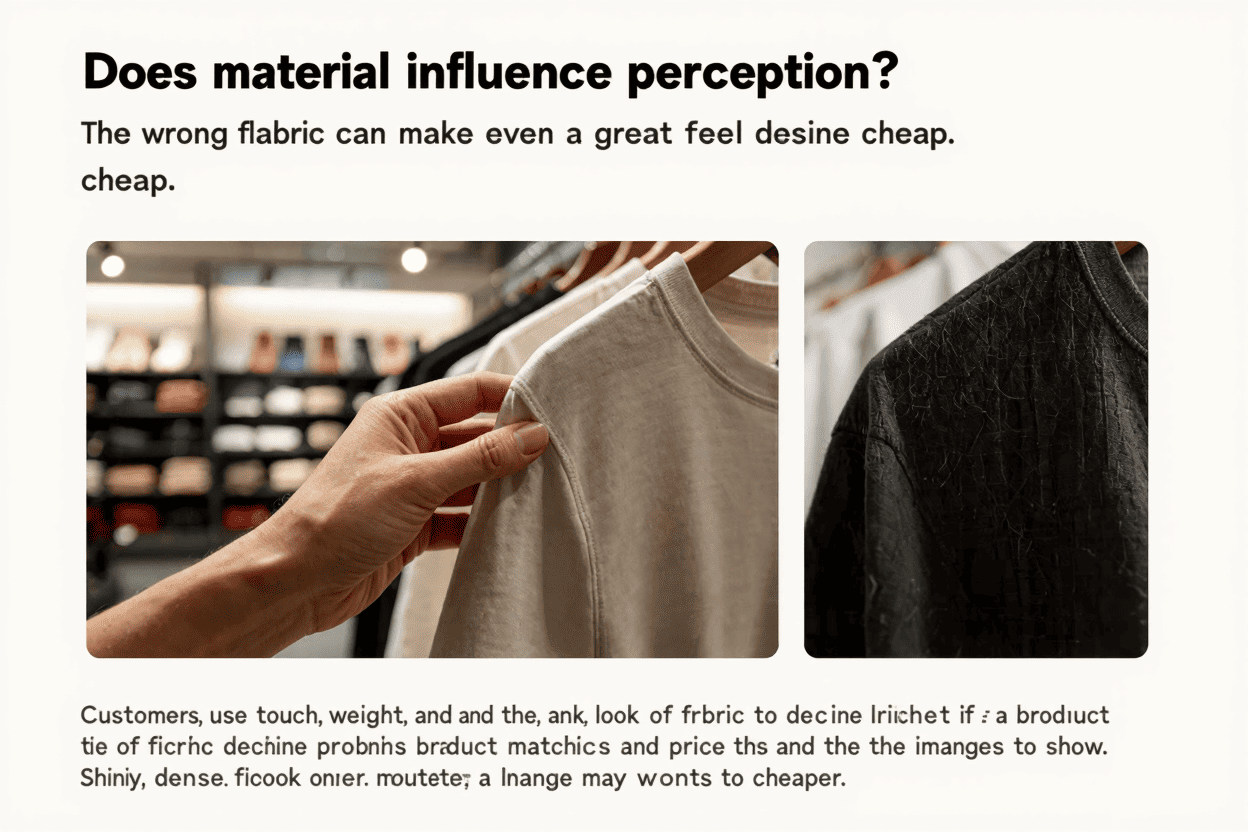
The wrong fabric can make even a great design feel cheap. Brands risk losing trust if customers suspect low quality from the first touch.
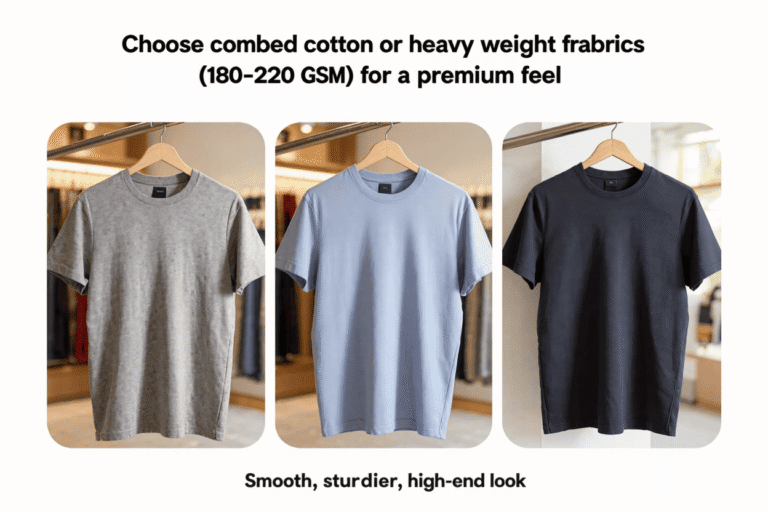
Material has a big effect on how people judge products. Customers use touch, weight, and the look of fabric to decide if a product matches its price and the image a brand wants to show.
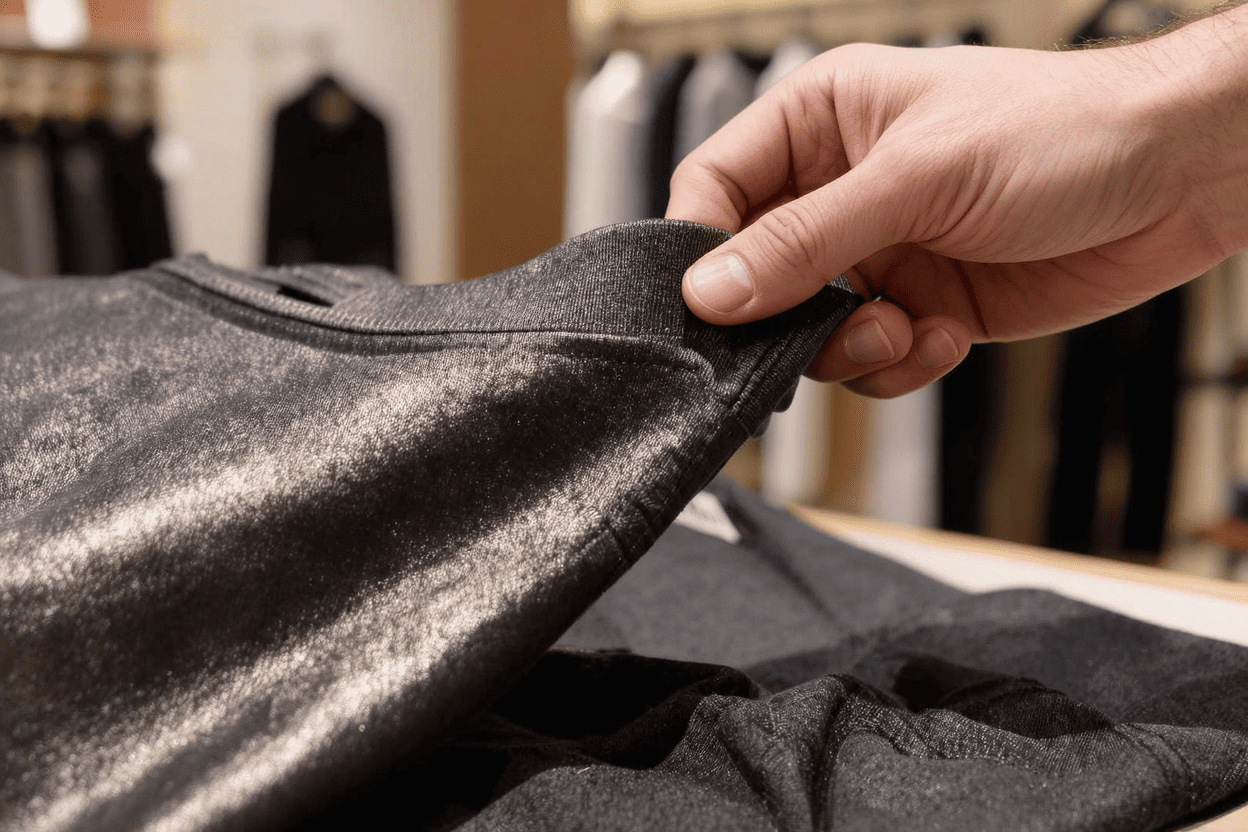
Let me break this down. When someone picks up a T-shirt, their hand tells them a lot before their eyes do. If the fabric feels smooth and thick, they think about quality. If it feels thin or scratchy, they may think it is cheap. The look of the fabric also changes their opinion. Shiny, dense fabrics look richer. Matte, rough ones may look cheaper. I have watched buyers reject products for the feel alone, even when the design was perfect.
| Factor | High-quality Fabric | Low-quality Fabric |
|---|---|---|
| First Touch | Soft, resilient, smooth | Rough, thin, scratchy |
| Weight | Feels substantial, holds shape | Flimsy, loses shape easily |
| Visual Effect | Rich color, clean finish, good shine | Dull, irregular, faded |
| Print Result | Sharp, even, long-lasting | Uneven, cracks, fades fast |
| Long-Term | Resists pilling and stretching | Pills, deforms, wears out |
What I learned is that material is a shortcut for the brain. Customers decide value in seconds. If your campaign or event shirt feels strong and looks bright, your brand feels reliable. If it feels cheap, trust drops fast. That is why I tell my clients to never treat fabric choice as an afterthought. It is as important as the logo you print.
Can fabric choice influence long-term brand loyalty?
Brands want customers to come back. But poor fabric choices can turn first-time buyers into one-time buyers.
Fabric quality affects both the first impression and how people remember your brand after wearing your product. If the material stays comfortable and keeps its shape, customers see your brand as dependable.
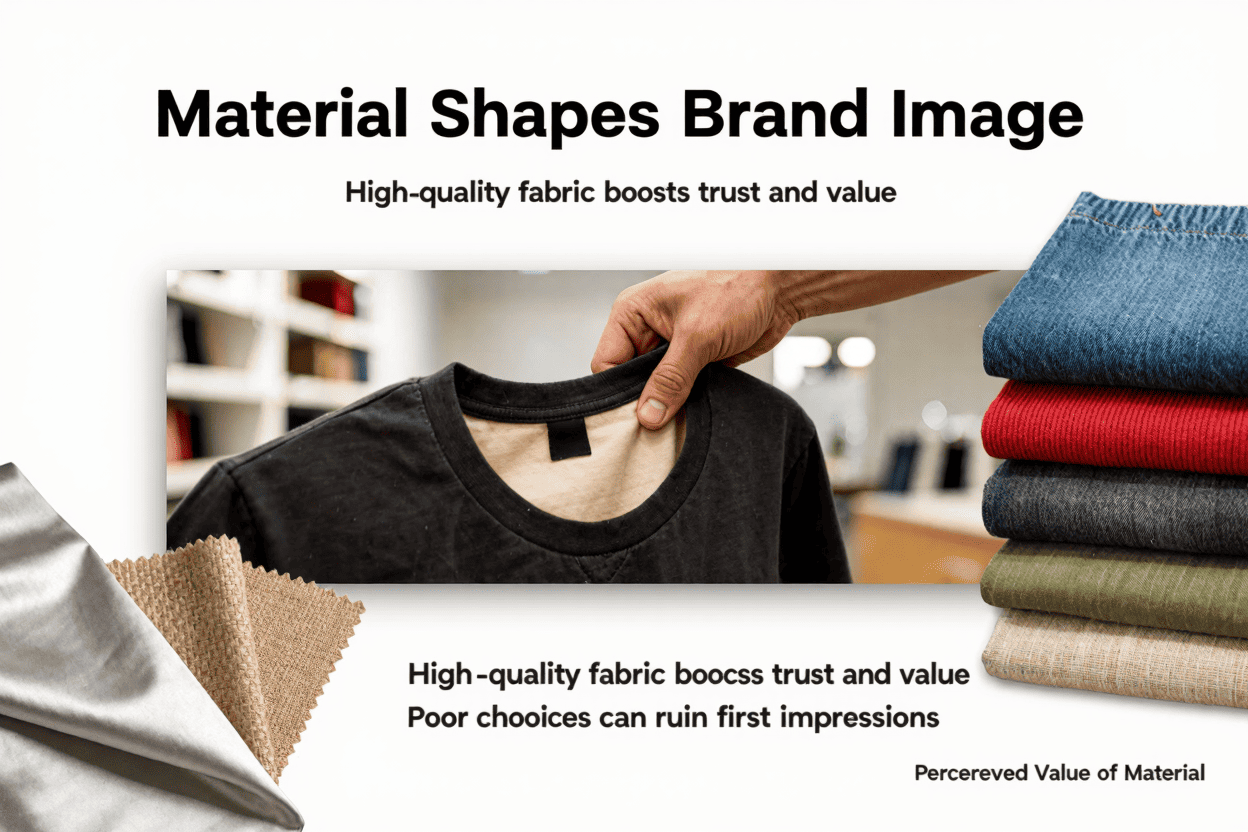
I remember a client who chose thicker, stable fabric for their promotional T-shirts. Their shirts kept their shape even after many washes. Customers kept wearing them, turning the shirts into walking ads. On the other hand, I have seen brands lose repeat orders because their shirts pilled or stretched out. People notice when a shirt twists or the print fades after two washes.
Here is what matters for long-term loyalty:
| Attribute | Strong Fabric | Weak Fabric |
|---|---|---|
| Shape Retention | Holds form, looks new | Deforms, twists |
| Comfort Over Time | Stays soft, no itch | Gets rough, itchy |
| Visual Durability | Color stays, print holds | Fades, cracks, pills |
| User Perception | Reliable, trustworthy | Cheap, unreliable |
This is why I advise clients to test how their shirts age. A shirt that stays new-looking means customers keep wearing it. Each time they do, your brand gets another positive impression. Repeat business is easier when your fabric holds up.
Does fabric affect how your brand is positioned in the market?
A brand can say “premium,” but if the fabric is thin and shiny in the wrong way, customers may feel the opposite.
Fabric choice helps set a brand’s price and audience. Heavy, soft material feels upscale. Lightweight or rough fabrics suit budget or mass-market items. Customers judge price fairness through fabric before they even see the tag.
I have worked with both private-label brands and big event organizers. The premium brands always choose denser, smooth fabrics. They want customers to feel luxury right away. For mass events where price matters most, clients sometimes pick lighter fabric. But even then, picking the best-feeling material for the budget helps the product stand out.
A simple table shows how fabric affects market fit:
| Target Market | Recommended Fabric Type | Perceived Value | Pricing Impact |
|---|---|---|---|
| Premium/Private Label | Heavy, soft, stable | High | Higher price |
| Event/Promotional | Durable, bright, midweight | Good | Medium |
| Mass Market/Budget | Lightweight, low-cost | Functional | Low |
If you want your brand story to match your market, fabric is a key part of that story. Customers can spot a mismatch right away. I always say: let your material do part of the talking for you.
How does fabric impact printing and design results?
A great design can look faded or cracked if the wrong fabric is used. Print quality depends on the surface and stability of the material.
Fabric affects how prints look and last. Smooth, stable fabrics let prints appear sharp and clear. Rough or stretchy fabrics can cause prints to crack, fade, or distort over time.
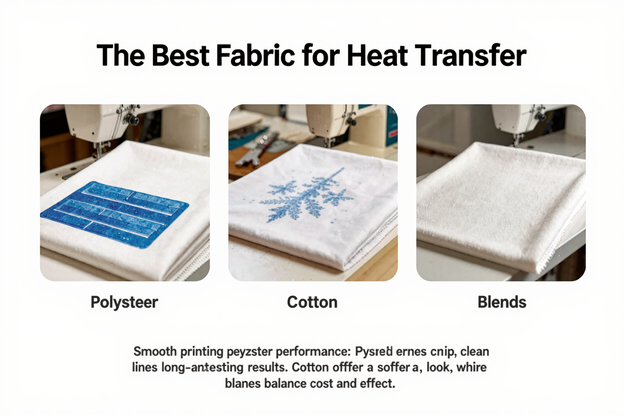
I have seen this many times in my work. With screen printing, a tight-woven cotton or polyester gives crisp lines and strong color. If the fabric is loose or pills, the print can look blurry or peel off fast. For heat transfer or embroidery, stable fabrics hold the design in place. Stretchy or unstable material makes the logo twist or break after washing.
| Print Method | Best Fabric Type | Common Issues on Poor Fabric |
|---|---|---|
| Screen Printing | Smooth, tight-weave | Blurry lines, uneven color |
| Heat Transfer | Flat, stable | Peeling, cracking, fading |
| Embroidery | Dense, non-stretch | Twisting, warping, puckering |
Choosing the right fabric means your brand looks as sharp as you want it to. The wrong choice can waste a great logo. That is why I always match print method to material for my clients.
Conclusion
Fabric is not just background. It is a big part of your brand story and reputation. Choose wisely to build trust and value.