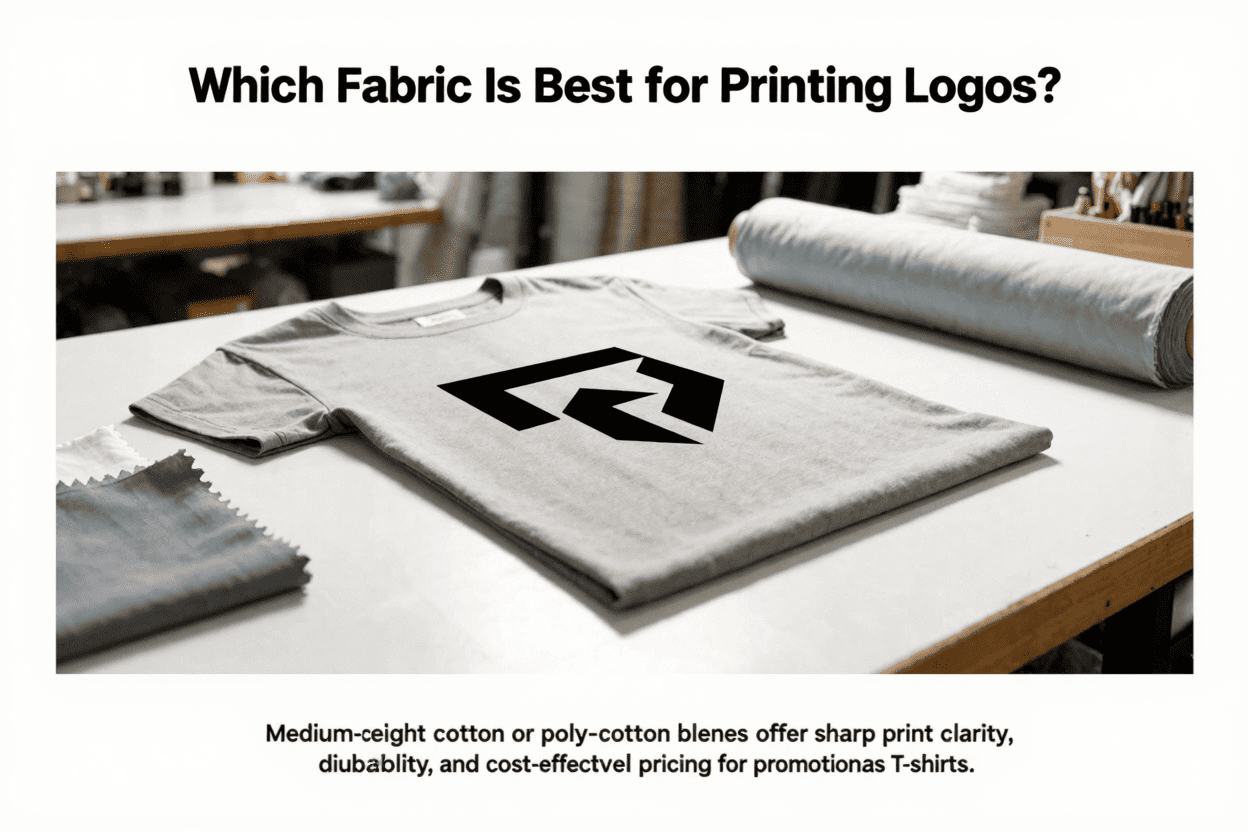
Printing a logo on a T-shirt is not only about ink and technique. The fabric itself decides how sharp your logo looks and how much you pay.
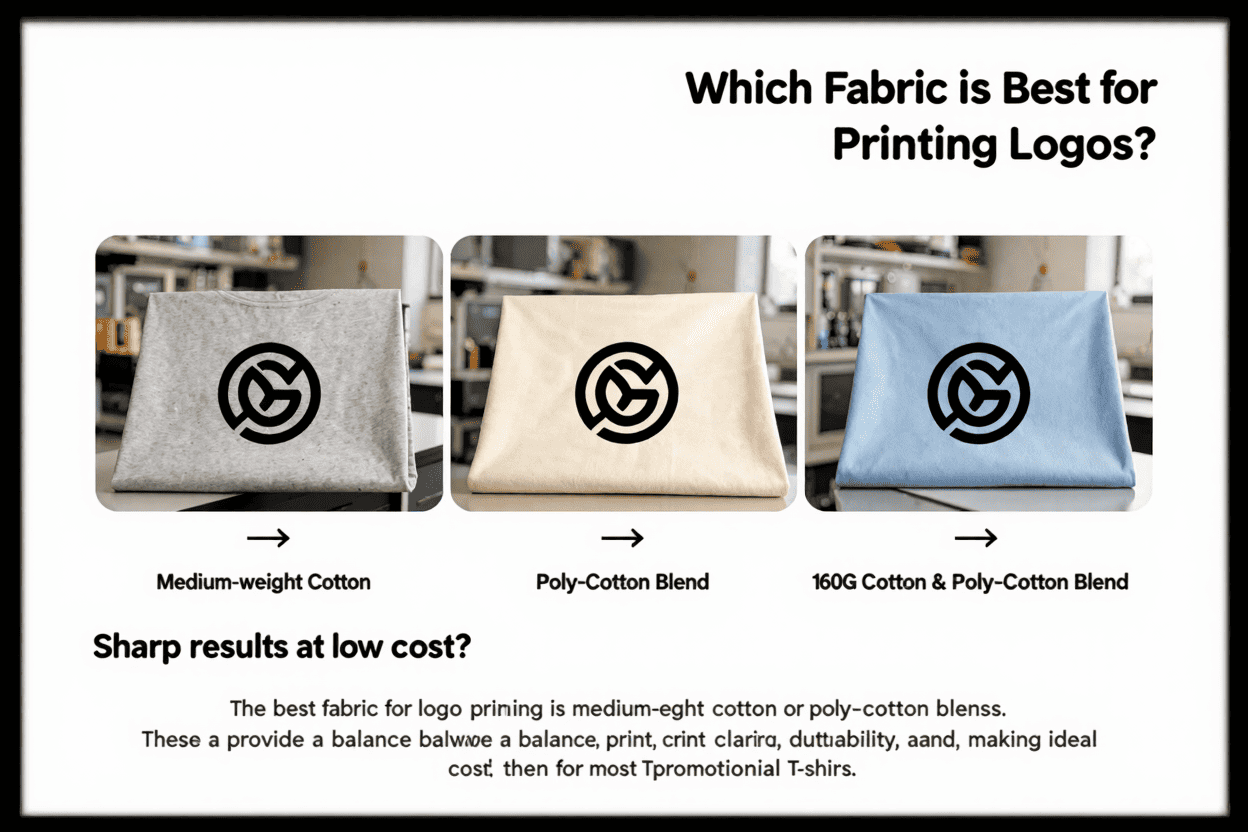
The best fabric for printing logos is medium-weight cotton or poly-cotton blends. These provide a balance between print clarity, durability, and cost, making them ideal for most promotional and campaign T-shirts.
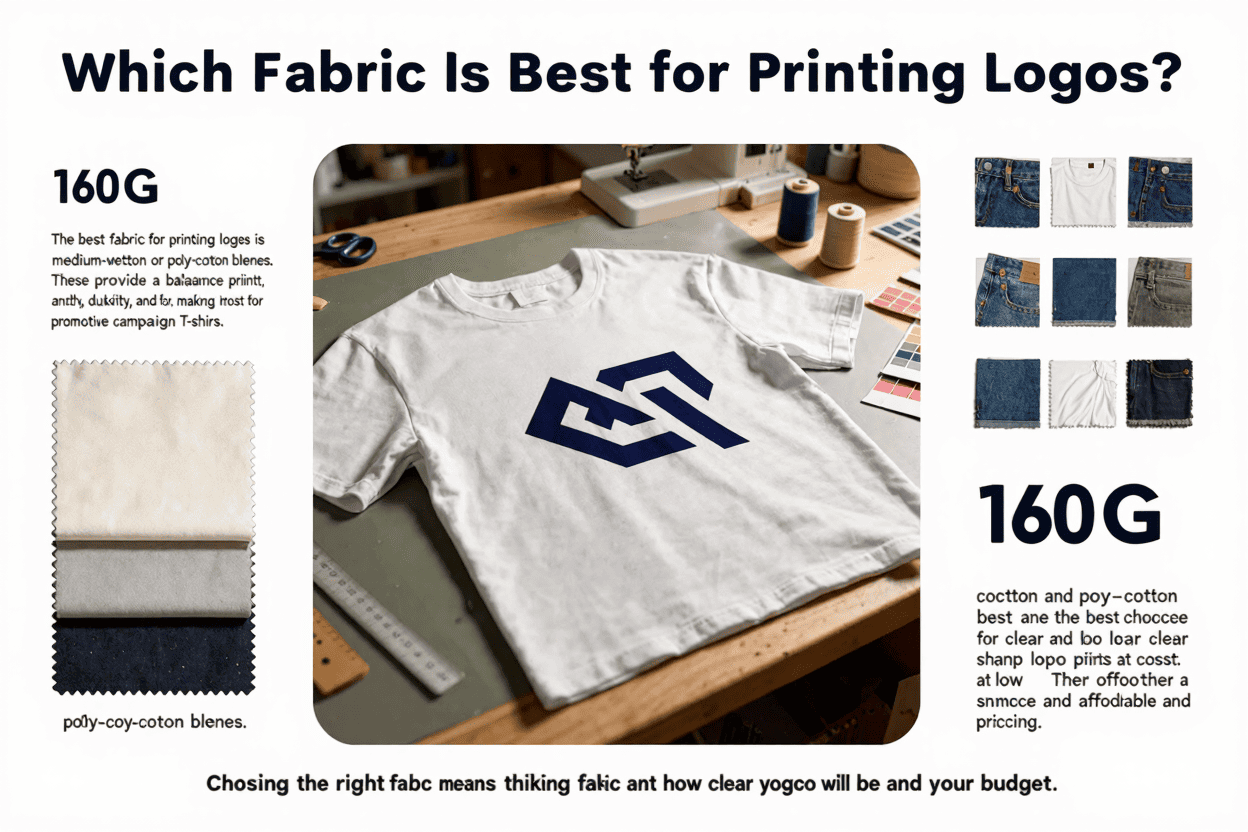
Choosing the right fabric means thinking about both how clear your logo will be and your budget. If you want your logo to look sharp and your campaign to stay within budget, you must understand the basics of fabric types. Let me explain what I have learned from years of working with different materials for promotional T-shirts.
Sharp results at low cost?
Printing a logo is only worth it if the logo stands out. But cost is always a concern in bulk orders. How do you get sharp results without spending too much?
160G cotton and poly-cotton blends are the best choice for clear and sharp logo prints at low cost. They offer a smooth surface and affordable pricing.
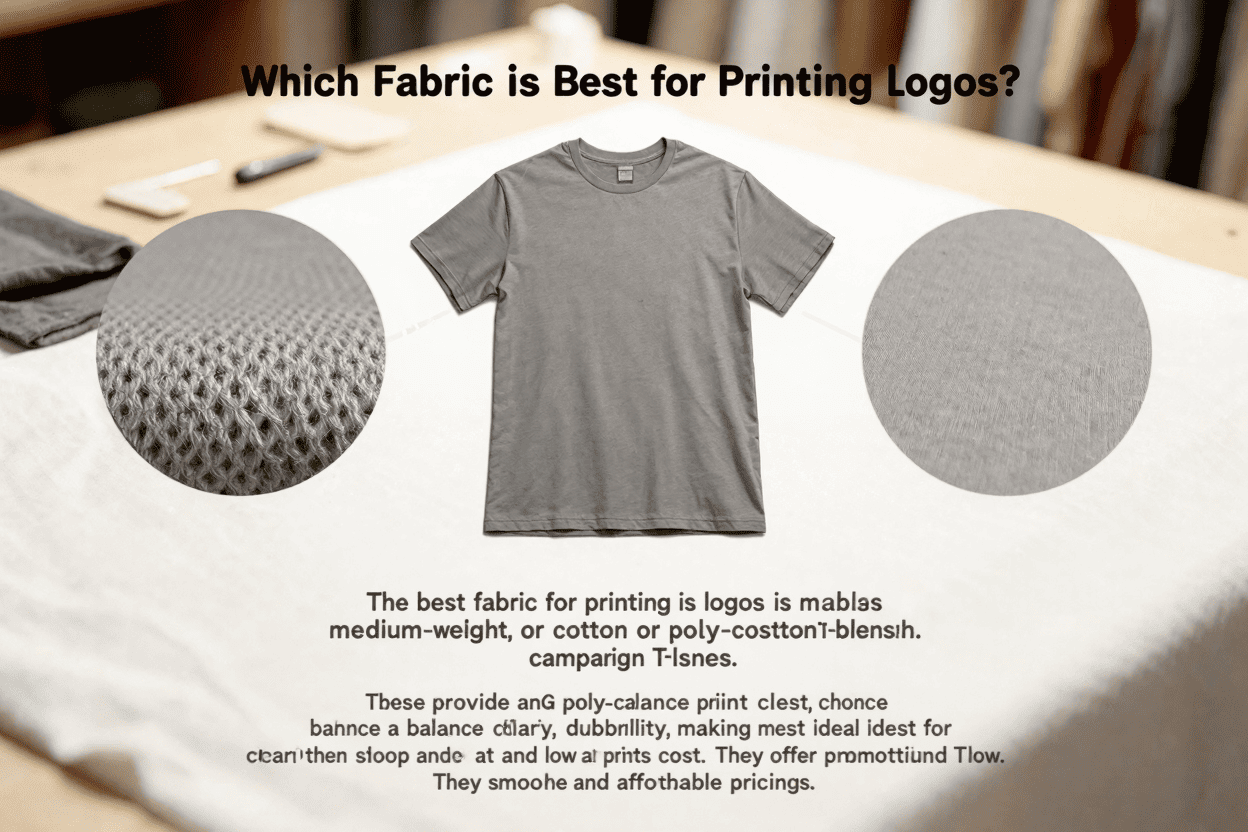
When I started working with campaign buyers, I noticed that budget is always tight. They want the logo to look crisp, but they do not want to spend too much. I have tested many fabrics. I found that medium-weight cotton, around 160 grams per square meter, works well. It holds ink nicely and the surface is smooth, so screen printing and heat transfer both look clean. Pure cotton is great for natural colors. Poly-cotton blends cost less and still provide a good print surface.
Here is how different fabrics compare for sharp logo printing:
| Fabric Type | Print Technique | Clarity | Cost | Comments |
|---|---|---|---|---|
| 100% Cotton | Screen Print | High | Medium | Natural color, soft feel |
| 100% Polyester | Heat Transfer | High | Low | Very smooth, less absorbent |
| Poly-Cotton Blend | Screen/Heat | Good | Low | Balanced cost and quality |
| Mesh (Net) | Heat/Screen | Low | Low | Unsuitable for fine logos |
Pure cotton absorbs ink well so the logo colors are vivid, but the price is higher. Polyester is cheaper, but ink does not absorb as well, so heat transfer or digital printing is best. Poly-cotton blends combine both benefits. Mesh fabric is breathable, but its uneven surface does not work for detailed logos. If you want both sharp results and low cost, choose medium-weight poly-cotton or cotton T-shirts.
How does fabric surface affect logo clarity?
A flat and dense surface is key for sharp logo edges. Is fabric texture really that important for logo printing?
Flat, tightly woven fabrics like cotton and poly-cotton deliver the best logo clarity. Rough or uneven fabrics cause blurry edges and loss of detail.
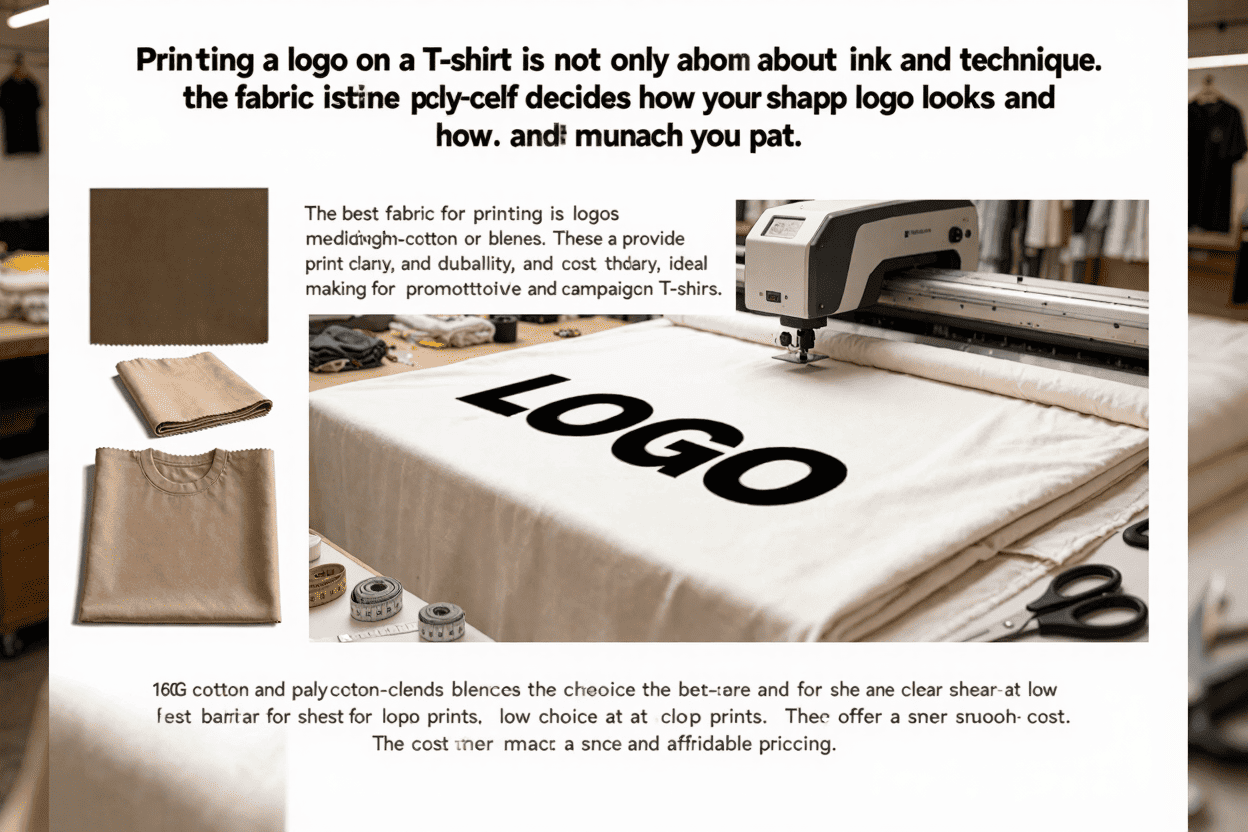
I have seen many clients struggle with blurry logos because they picked the wrong fabric. The texture of the fabric matters a lot. When the surface is smooth and dense, like regular cotton or poly-cotton, the ink stays where it should. The edges of the logo are crisp. If the fabric is rough, like mesh or pique knit, the ink spreads out or misses parts. This affects how sharp the logo looks.
Let me break it down:
| Fabric Surface | Print Clarity | Suitable for Fine Logo | Feel |
|---|---|---|---|
| Smooth (Cotton) | High | Yes | Soft |
| Smooth (Polyester) | High | Yes | Slick |
| Rough (Mesh) | Low | No | Breathable |
| Medium (Blends) | Good | Yes | Balanced |
If your logo is detailed, avoid fabrics like mesh. Stick to those with a flat surface. This is especially important for campaign shirts with text or sharp symbols. In my experience, clients are happiest when their logo edges stay crisp after many washes. That only happens on the right fabric.
What are the cost-effective choices for bulk logo T-shirts?
For mass production, budgets matter. Which fabric gives the best value without sacrificing logo quality?
Medium weight poly-cotton and cotton fabrics, around 160G, offer the best value for bulk logo T-shirts. They deliver decent print quality and keep costs low.
Many customers buy thousands of campaign shirts at once. They need good logo clarity, but they must stay on budget. I have worked with government clients, event organizers, and supermarkets. They almost always choose 160G poly-cotton or pure cotton. These fabrics are affordable and provide a surface that works well for screen printing and heat transfers. The shirts hold up during events, and logos stay sharp.
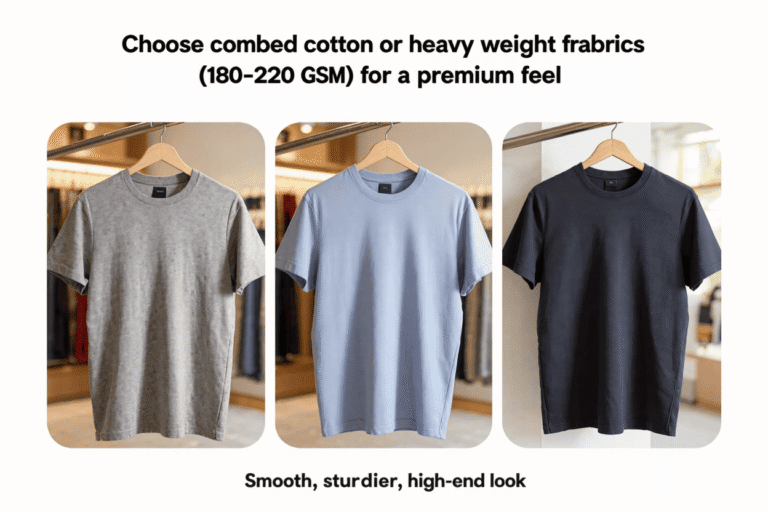
If you go lower than 160G, shirts feel too thin. The logo can fade faster or look dull. If you go higher, you pay more, but the improvement is not always noticeable. Blended fabrics save money and still perform well. Here is a comparison:
| Fabric Weight | Cost | Print Quality | Durability | Common Uses |
|---|---|---|---|---|
| <140G | Very Low | Poor | Low | One-time events |
| 140-160G | Low | Good | Medium | Campaign, promo |
| 180G+ | Medium | Excellent | High | Retail, premium |
For most campaigns, a 160G shirt is the sweet spot. It looks good, prints well, and keeps costs down. This approach has worked for many of my largest clients.
How do you choose the right print technique for each fabric?
Different fabrics need different printing methods. How do you match print technique to your fabric choice?
Screen printing works best for cotton and blends. Heat transfer is ideal for polyester. Choose the technique based on fabric surface and campaign needs.
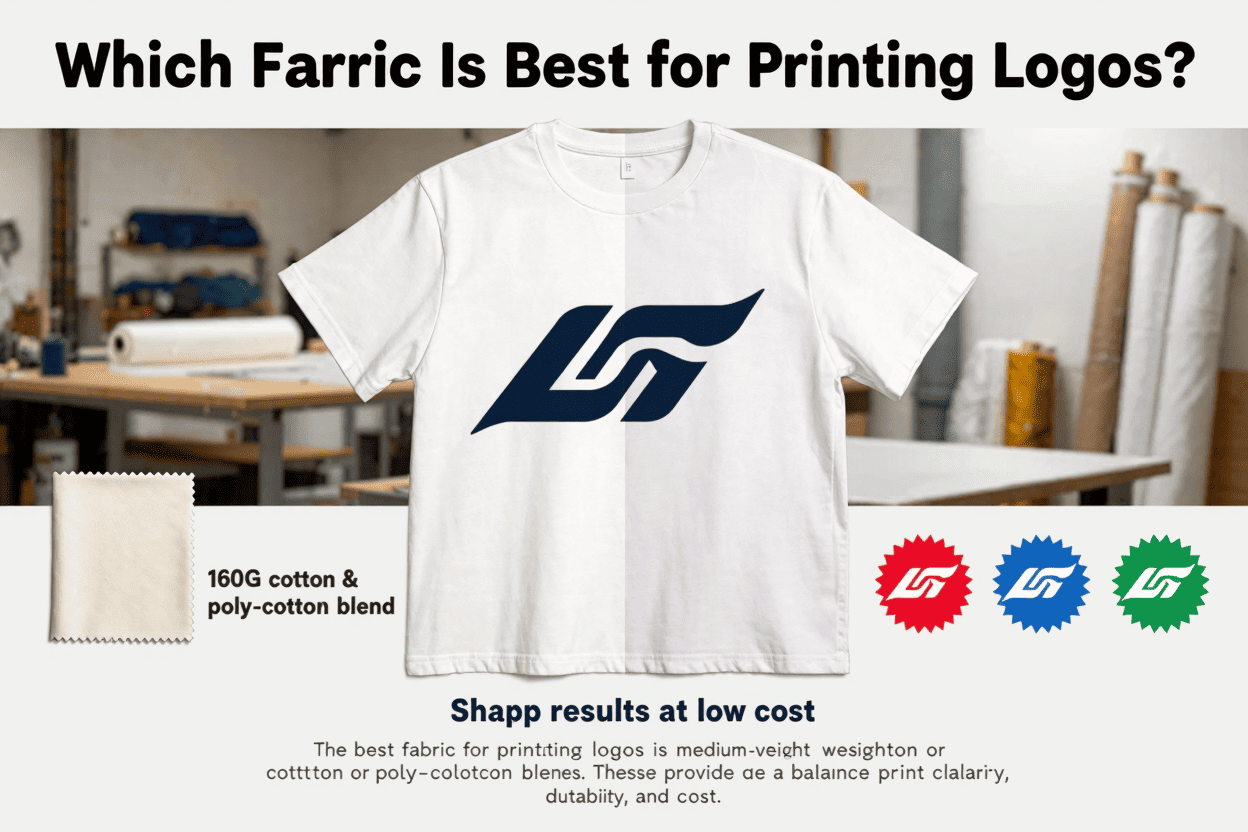
I learned early on that choosing the right print method is as important as picking the right fabric. Cotton fabrics absorb ink, making screen printing look natural and lasting. Polyester does not absorb ink, so heat transfers and digital printing work better. If your T-shirt is a blend, you can use either method, depending on your logo and budget.
Here’s a quick table:
| Fabric Type | Screen Printing | Heat Transfer | Digital Print |
|---|---|---|---|
| 100% Cotton | Best | Good | Good |
| 100% Polyester | Fair | Best | Best |
| Poly-Cotton Blend | Best | Good | Good |
| Mesh/Pique | Poor | Fair | Poor |
Screen printing is cost-effective for large orders and makes colors pop on cotton or blends. Heat transfer is faster for smaller runs and detailed logos, especially on polyester. If your campaign needs fast turnaround and vivid colors, heat transfer and digital printing are smart choices. Always match your technique to the fabric, not just your logo.
Conclusion
Choosing the right fabric and print method is key. Medium-weight cotton or poly-cotton blends give the best value and logo clarity for most campaign T-shirts.