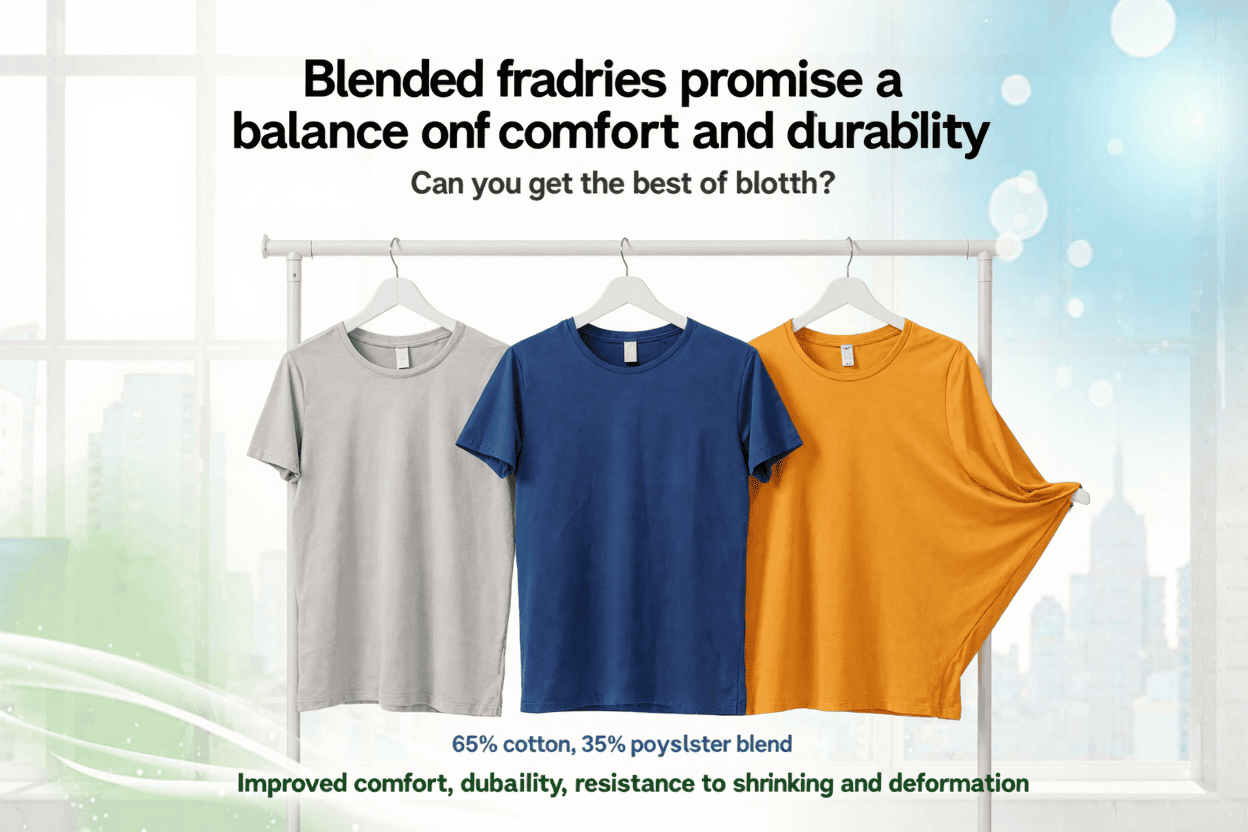
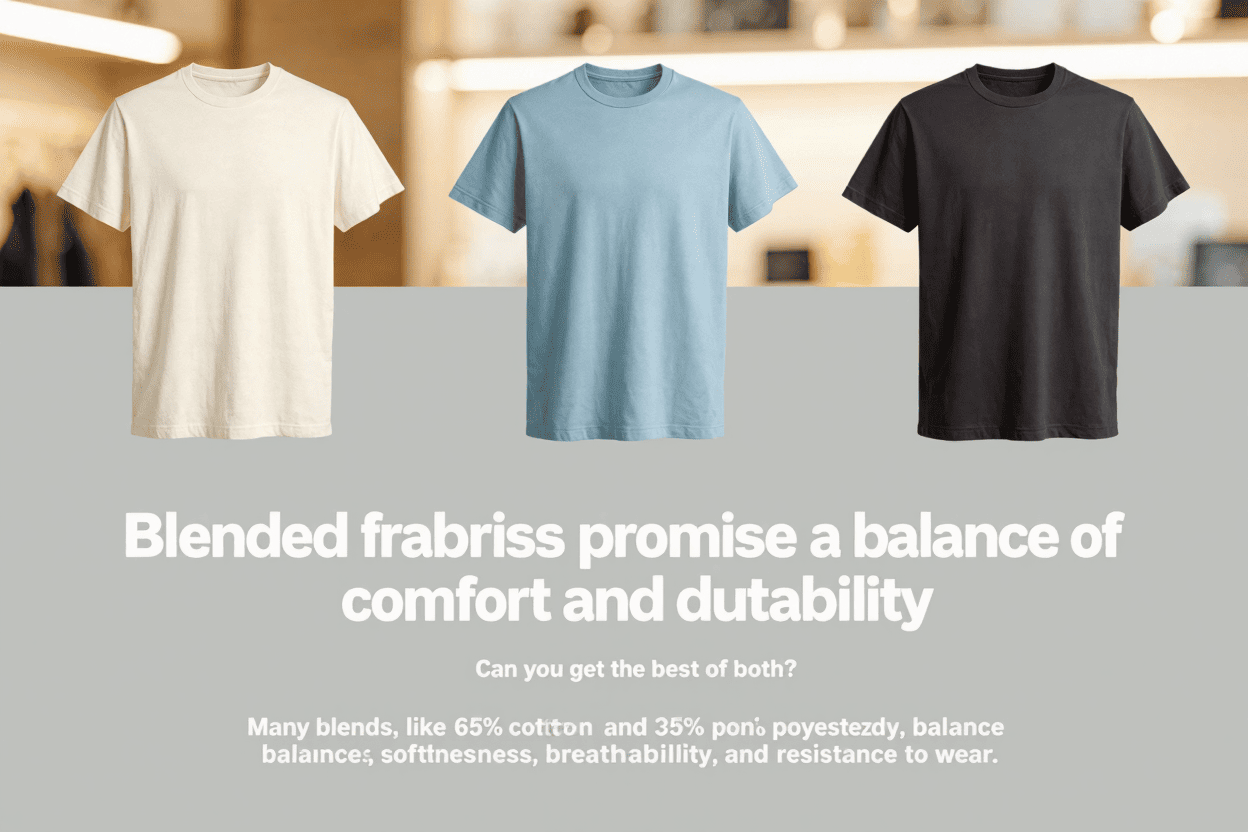
Blended fabrics promise a balance of comfort and durability, but does this really make them the best option for your next campaign T-shirt order?
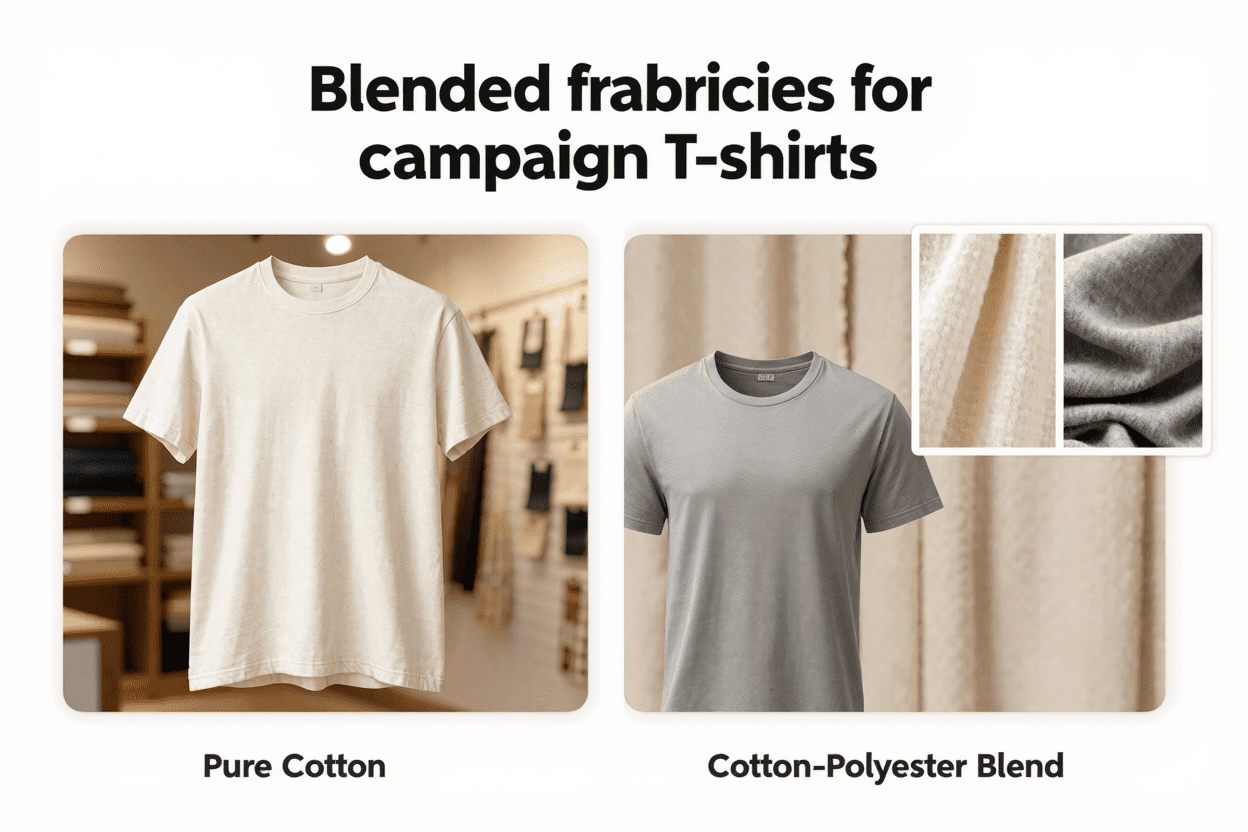
Blended fabrics combine the strengths of cotton and polyester. This means you get a fabric that is comfortable, durable, and resistant to shrinking and deformation—ideal for mass production and frequent use.
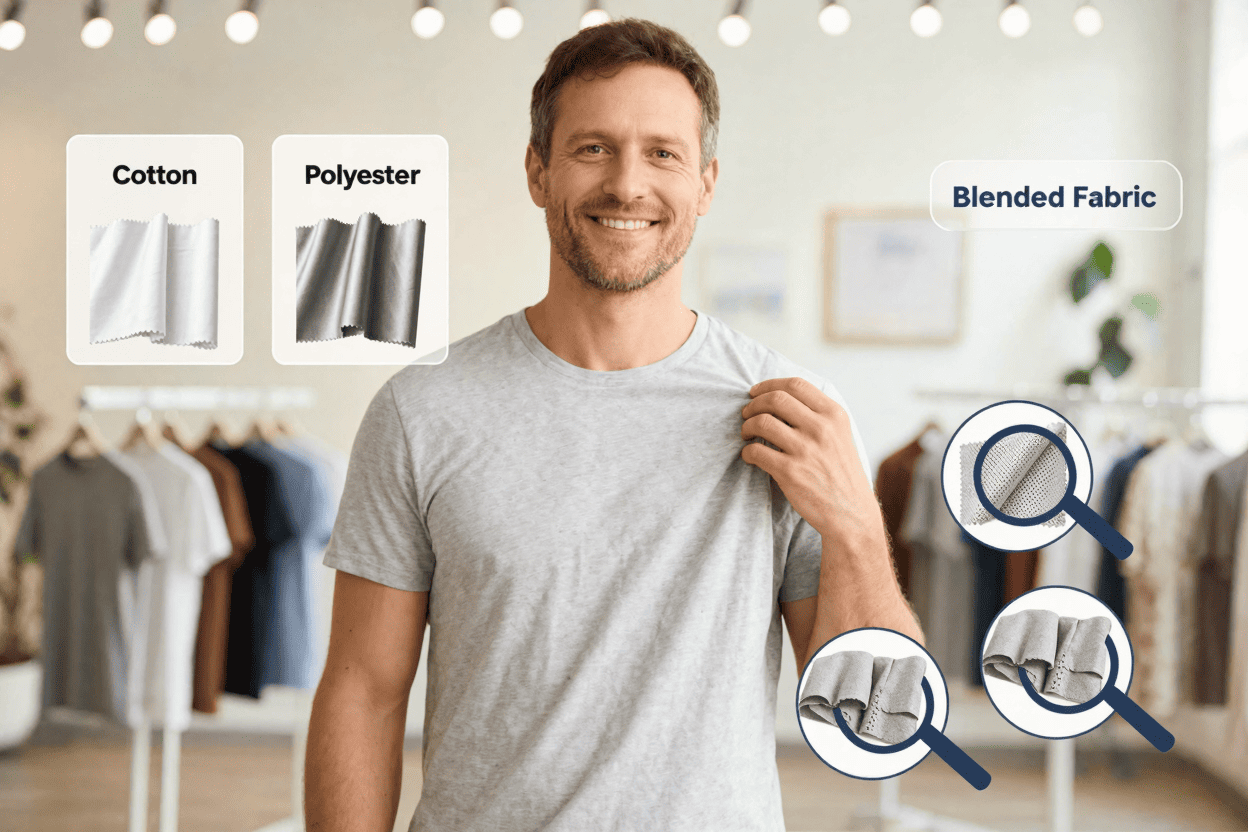
If you have ever struggled to choose between pure cotton and pure polyester for event T-shirts, you know it is not easy. You must think about comfort, price, and how the shirts hold up over time. Blended fabrics try to solve this, giving you a bit of everything. Let me show you how blended fabrics can be a practical solution and why they fit so well in large orders.
Can you get the best of both?
Blended fabrics claim to offer the comfort of cotton and the strength of polyester. But can you really have it all, or are you giving up something important?
You can get improved comfort and durability with the right cotton-polyester blend. Many blends, like 65% cotton and 35% polyester, balance softness, breathability, and resistance to wear.
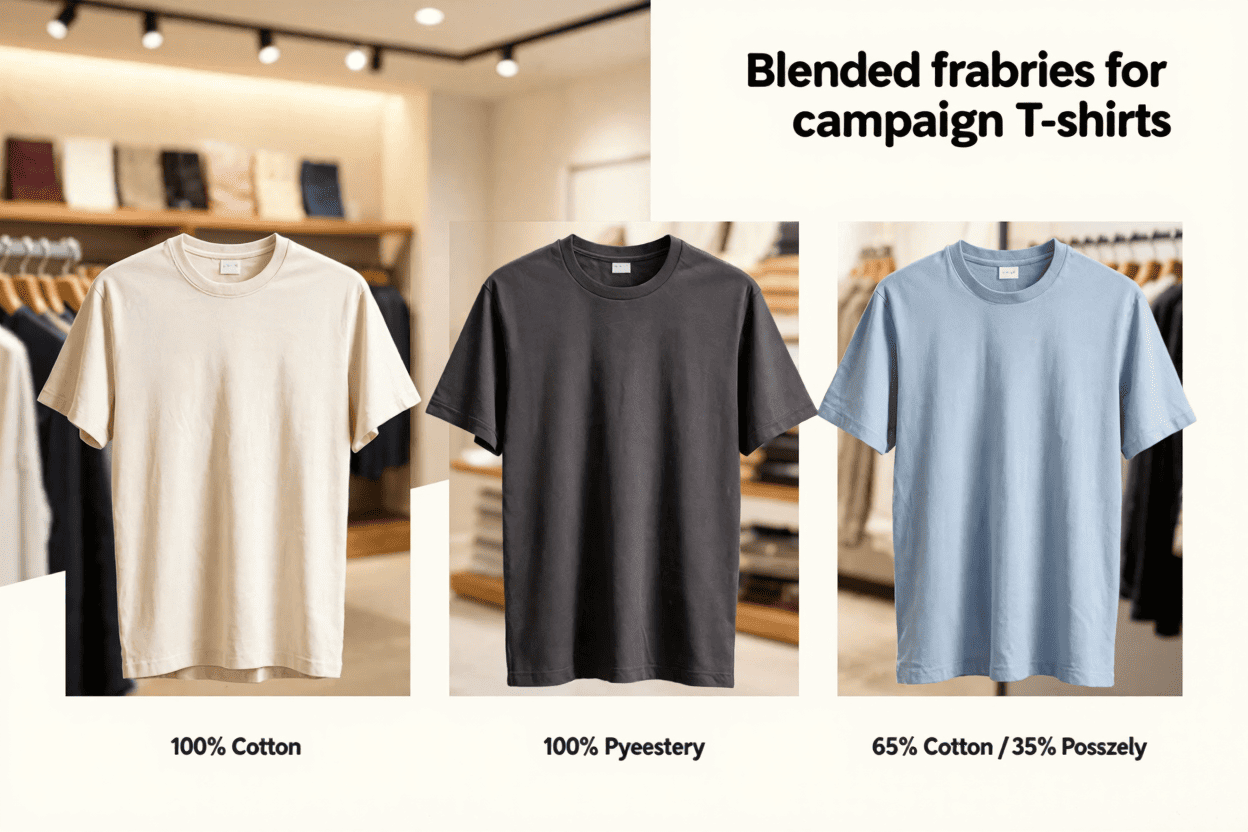
When I look for materials for campaign T-shirts, I pay attention to the blend ratio. Cotton brings a soft feel and breathability. Polyester offers durability, shape retention, and lower cost. The most common blend is 65% cotton and 35% polyester. This mix helps the shirts stay comfortable through long days. It also keeps them from shrinking after washing, which pure cotton shirts often do.
Choosing blended fabrics gives flexibility in cost control, especially for large orders. If you run an event in a hot climate, blends outperform pure polyester in comfort. But they do not match pure cotton for breathability. I have found that blended T-shirts stand up well after many washes. They keep their shape and color, which matters for campaign teams that need shirts to look good throughout an event. Still, blends cannot totally replace the best qualities of pure cotton or polyester.
Breaking Down Cotton vs. Polyester vs. Blended Fabrics
| Property | Pure Cotton | Pure Polyester | Blended Fabrics |
|---|---|---|---|
| Comfort | High | Moderate | Moderate-High |
| Breathability | High | Low | Moderate |
| Durability | Moderate | High | High |
| Cost | Higher | Lower | Flexible |
| Shrinkage | Prone | Resistant | Resistant |
| Printing | Stable | Stable | Stable |
| Wash Resistance | Moderate | High | High |
When I order blended shirts, I think about how they will be used. Will they be worn outdoors, washed often, or shipped worldwide? If the answer is yes, blends are a safer choice. Pure cotton is perfect for premium comfort but costs more. Pure polyester is cheap and tough but not so comfortable. Blended fabrics sit in the middle. They work well for campaign T-shirts, where you need lots of shirts without losing basic quality.
How do blended fabrics perform for printing and wear?
Printing on blended fabrics is important for campaign shirts. Do they handle screen printing and heat transfer as well as pure materials?
Blended fabrics support multiple printing methods, including screen printing and heat transfer. They produce stable, reliable results and resist fading. They are also washable and durable for frequent wear.
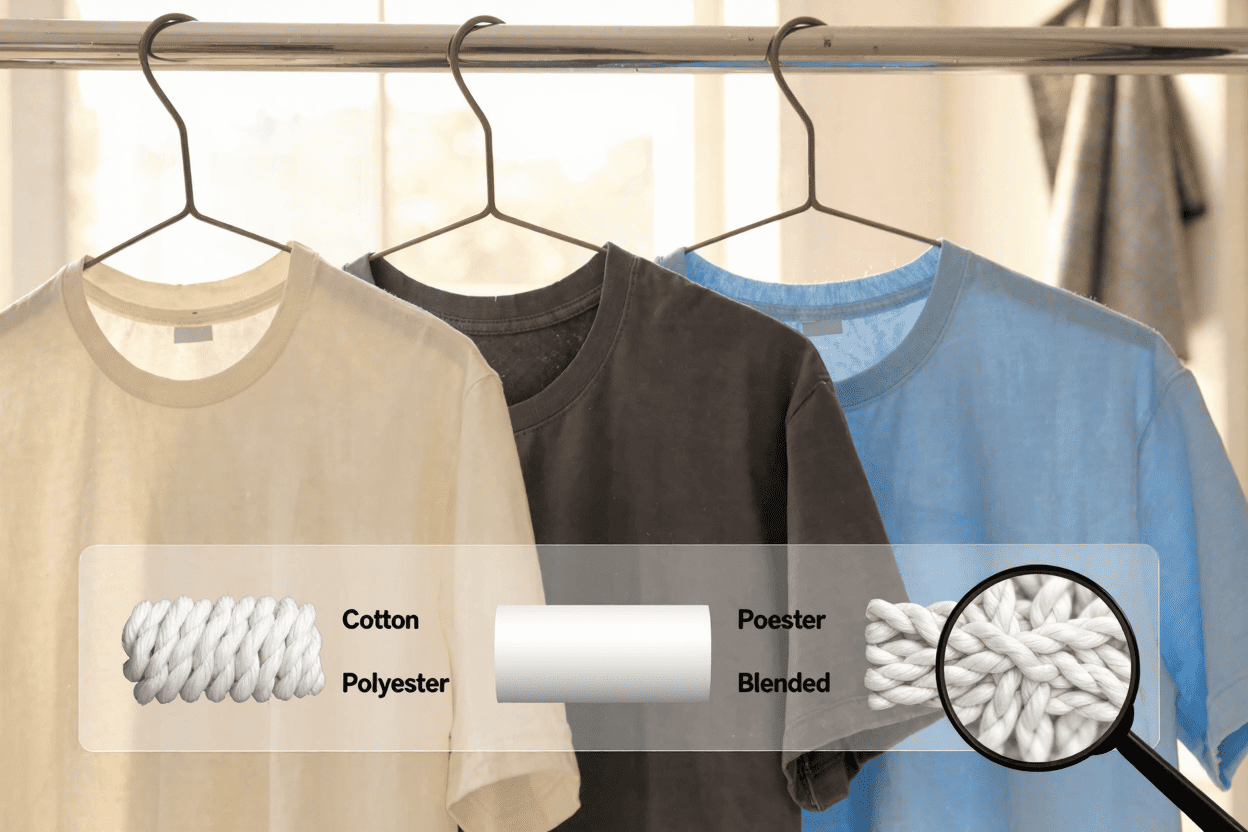
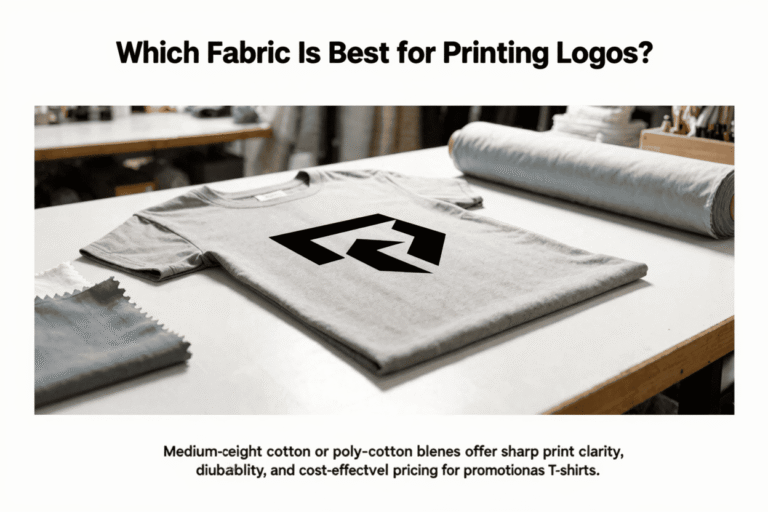
When I organize campaign merchandise, I want the logo and messages to stay sharp. Blended fabrics hold prints well, thanks to their polyester content. The shirts resist wrinkling and fading, which is key for events. Screen printing works smoothly on blends. Heat transfer prints also stick well and hold up through many washes. Pure cotton sometimes absorbs too much ink or shrinks, spoiling the print. Pure polyester can melt under high heat, so blends are safer.
Blended shirts also stand up to the rough handling that comes with campaign events. Volunteers wear them day after day, often outdoors. The shirts need to look good and feel comfortable, even after multiple washes. Blended fabric’s toughness means fewer replacements, helping to save costs. If you choose the right blend, you get a shirt that lasts and supports your campaign’s image.
Printing Performance Table
| Printing Method | Pure Cotton | Pure Polyester | Blended Fabrics |
|---|---|---|---|
| Screen Print | Good | Good | Good |
| Heat Transfer | Moderate | Risk of Melt | Good |
| Embroidery | Excellent | Good | Excellent |
| Print Stability | Moderate | High | High |
When I test blended shirts with our printers, I see fewer misprints and color runs. Over time, prints stay brighter and crisp. This makes blended fabrics a dependable choice for campaigns that need shirts to look professional and last.
How do blended fabrics affect cost and practicality for bulk orders?
Cost and practicality are always a concern for campaign and promotional T-shirts. Do blended fabrics offer real savings and flexibility?
Blended fabrics usually cost less than pure cotton while keeping basic quality. They help control budgets, especially in large orders, and support flexible production and delivery.
When I plan large shipments for campaign clients, I look for ways to reduce costs without cutting too much quality. Blended fabrics fit this goal. The polyester content lowers the price compared to pure cotton. At the same time, the shirts keep a soft feel and look good, which matters to buyers. Blended fabrics also help with phased delivery. They are easy to produce in bulk because they are less sensitive to moisture and shrinkage.
For clients who need private labeling or custom packaging, blended fabrics work well. They handle tags, wash labels, and printing without issue. We can pack and ship them safely, knowing they will arrive in good shape. In my experience, supermarkets, campaign buyers, and event organizers all prefer blended shirts for big events. This is because they balance cost, quality, and practicality better than pure fabrics.
Bulk Order Cost Comparison
| Order Size | Pure Cotton (USD/unit) | Pure Polyester (USD/unit) | Blended Fabrics (USD/unit) |
|---|---|---|---|
| 500 units | 4.20 | 2.80 | 3.10 |
| 5,000 units | 4.00 | 2.70 | 3.00 |
| 50,000 units | 3.80 | 2.60 | 2.90 |
If you have a tight budget or need flexibility in delivery, blends are a strong choice. They make logistics easier and keep your shirts looking and feeling good. I recommend them for clients who want a reliable, cost-effective solution for their campaign needs.
Are there any drawbacks to blended fabrics?
Every material has its limits. Are there downsides to blended fabrics that you should consider before ordering?
Blended fabrics do not match pure cotton for breathability or pure polyester for extreme durability. The right blend ratio affects handfeel, cost, and performance. Choose based on your specific needs.
When I advise clients, I always mention that blends are not perfect. If you want the absolute highest comfort, pure cotton is better. If you need maximum strength and lowest price, pure polyester wins. The performance of blended fabrics depends on the cotton-polyester ratio. A higher cotton content improves comfort but raises cost. More polyester increases durability but makes the shirt less breathable.
Blends are not as cool as pure cotton in hot weather. They are not as tough as pure polyester for industrial use. Still, for campaign shirts, blends are a practical compromise. I ask clients what matters most: comfort, price, or long-term performance. If they need shirts for frequent outdoor wear or large-scale events, blends deliver value.
Blend Ratio and Performance Table
| Ratio | Comfort | Breathability | Durability | Cost |
|---|---|---|---|---|
| 100% Cotton | High | High | Moderate | Higher |
| 65/35 Blend | Good | Good | High | Medium |
| 50/50 Blend | Moderate | Moderate | High | Lower |
| 100% Poly | Low | Low | Very High | Lowest |
In my experience, blended fabrics solve most practical problems for campaign and promotional T-shirts. They are not the best in every way, but they strike a balance. I help clients choose the blend that fits their budget and event needs.
Conclusion
Blended fabrics offer a practical balance of comfort, durability, and cost, making them a smart option for campaign and promotional T-shirts.